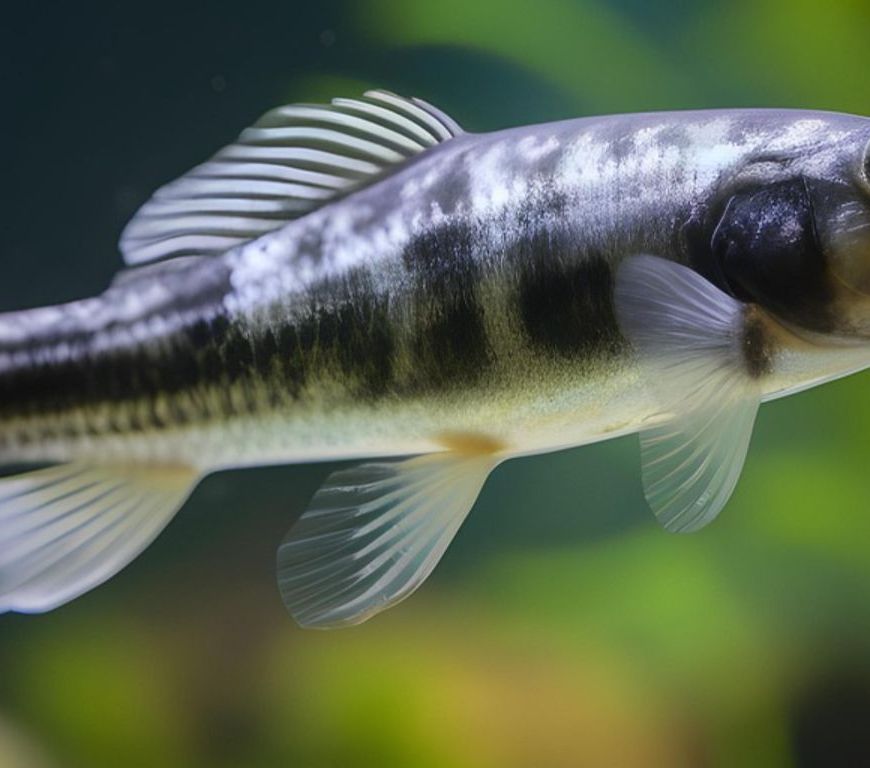
Navegando los obstáculos del río: La influencia de la tipología de presas de baja altura y la hidrología fluvial en la conectividad genética de los peces

Los ríos están llenos de pequeñas represas que vuelven el curso del agua más lento y complican el desplazamiento de organismos acuáticos (por ejemplo, de los peces). Estas pequeñas represas por lo general solo tienen unos metros de altura y están presentes a través del mundo. Ya que no es posible eliminar todas estas represas, es fundamental identificar cuáles (o más bien qué características) representan … Continue reading Navegando los obstáculos del río: La influencia de la tipología de presas de baja altura y la hidrología fluvial en la conectividad genética de los peces
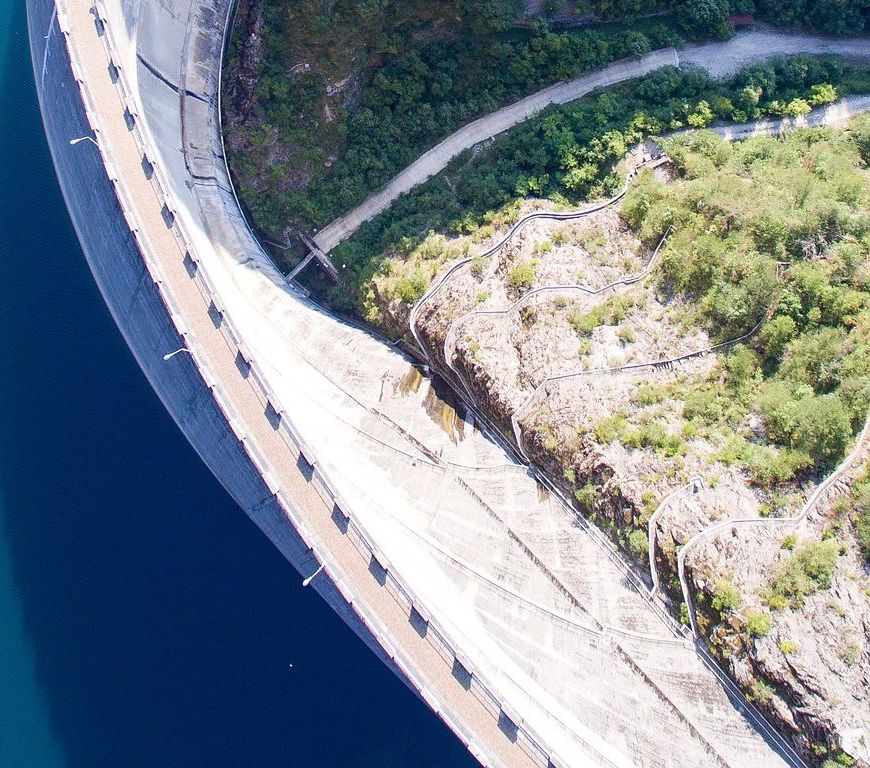
Naviguer à travers les obstacles fluviaux : L’influence de la typologie des barrages de faible hauteur et de l’hydrologie des rivières sur la connectivité génétique des poissons

Les rivières sont parsemées de petits barrages qui ralentissent l’eau et compliquent les déplacements des organismes aquatiques, tels que les poissons. Ces petits barrages mesurant généralement quelques mètres de haut sont des millions dans le monde. Comme il est impossible de tous les supprimer, il est essentiel d’identifier ceux qui posent les plus gros problèmes pour le déplacement de la faune aquatique. Dans notre étude, … Continue reading Naviguer à travers les obstacles fluviaux : L’influence de la typologie des barrages de faible hauteur et de l’hydrologie des rivières sur la connectivité génétique des poissons

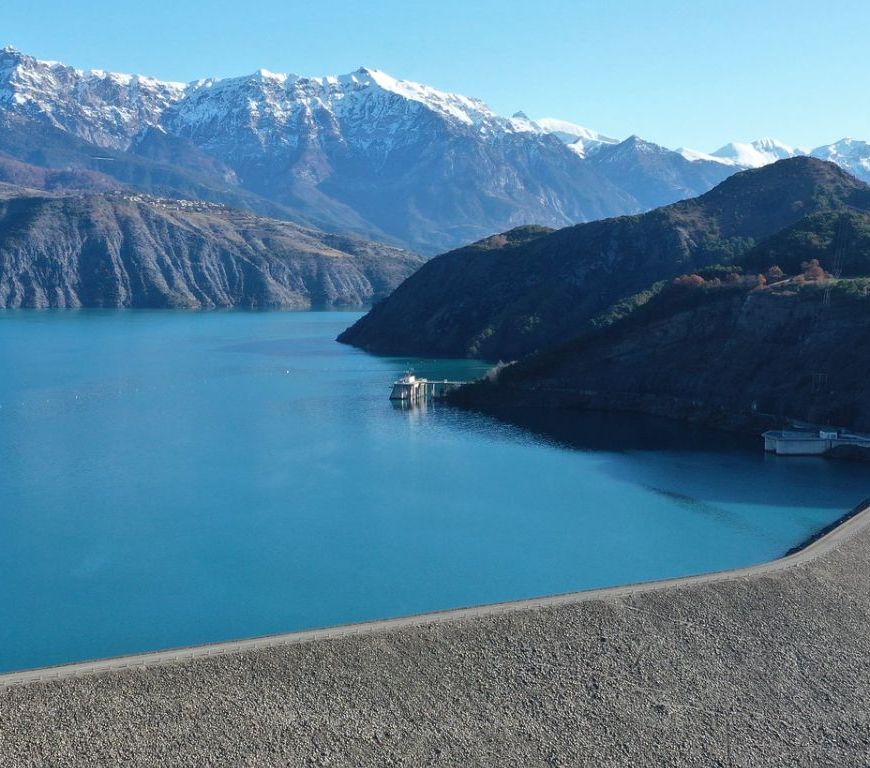
Navigating river obstacles: The influence of the typology of low-head dams and river hydrology on fish genetic connectivity

Rivers are dotted with countless small dams that slow the flow of water and disrupt connections between fish populations. These structures, known as low-head dams, typically stand only a few metres tall, yet millions exist worldwide. Since removing all of them is unrealistic, it is crucial to identify which ones most strongly hinder aquatic wildlife movement. In our study, we set out to understand how … Continue reading Navigating river obstacles: The influence of the typology of low-head dams and river hydrology on fish genetic connectivity

Paving the way for the restoration of the Enobieta stream

Authors of a recently published research article discuss the ecological consequences of large dam removal through their study of instream habitat and invertebrate communities in a temperate, forested catchment in northern Spain. River restoration by dam removal During the last decades, increased awareness on the consequences of a degraded environment has led to new legislation, such as the EU Water Framework Directive or the Nature … Continue reading Paving the way for the restoration of the Enobieta stream

The importance of indirect effects of climate change adaptations on alpine and pre-alpine freshwater systems

Feature photo edited from © Martin Laurenceau In their latest Perspective, Morgane Brosse and colleagues delve into the impact of human efforts to reduce or mitigate climate change, its effects on alpine freshwater environments and the role of specific management and policy decisions in determining the nature of these impacts. In an effort to address the threat of global change, much pressure is put on … Continue reading The importance of indirect effects of climate change adaptations on alpine and pre-alpine freshwater systems

Tributaries may reset the legacy of dams in large rivers

Tributaries, river management and damming. In this post, Associate Editor Tadeu Siqueira comments the recent article by John Sabo and colleagues, Pulsed flows, tributary inputs, and food-web structure in a highly regulated river. The damming of large rivers has been common practice, probably since Thomas Edison built one of the first hydroelectric stations in 1882. Most important rivers in economically developed regions have already been … Continue reading Tributaries may reset the legacy of dams in large rivers