Remote sensing: A key to monitoring tropical forest restoration

Laura Vedovato introduces readers to a range of remote sensing tools, explaining how they can be applied to topical forests to monitor the effectiveness of restoration efforts. Read more in the original Review article. Introduction In recent years, global commitments to forest restoration, like the UN Decade on Restoration and the Global Biodiversity Framework, have highlighted the need for scalable, effective ways to track progress. … Continue reading Remote sensing: A key to monitoring tropical forest restoration

Factoring in the dollars and cents of biological invasions

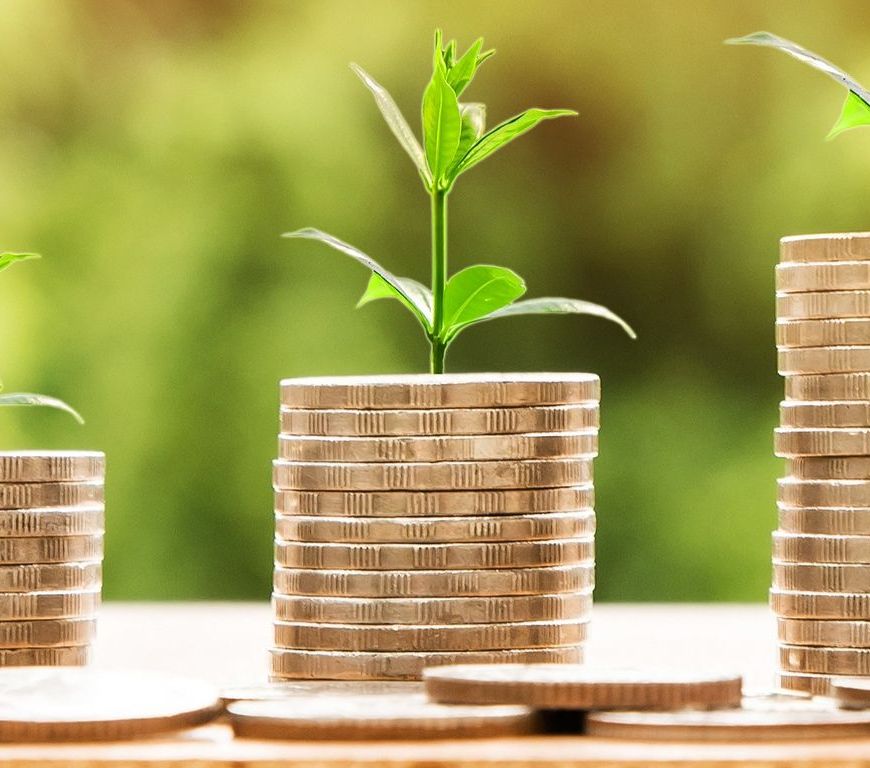
Ali Serhan Tarkan and Ismael Soto discuss recently published work, conducted with colleagues, surrounding novel biological invasions and their impacts. The study suggests that, to effectively manage invasions, decision-makers need solid information to base decisions on. Continue reading Factoring in the dollars and cents of biological invasions

Die Berücksichtigung der Kosten biologischer Invasionen in Risiko-Evaluationen

Ali Serhan Tarkan und Ismael Soto diskutieren ihr kürzlich veröffentlichte Arbeit über neuartige biologische Invasionen und ihre Auswirkungen. Die Studie legt nahe, dass Entscheidungsträger solide Informationen — inklusive hinsichtlich monetärer Kosten — benötigen, um Invasionen effektiv zu managen. Continue reading Die Berücksichtigung der Kosten biologischer Invasionen in Risiko-Evaluationen

Calculando los costes económicos de las invasiones biológicas

Ali Serhan Tarkan e Ismael Soto discuten en su trabajo recientemente publicado, realizado con un equipo interdisciplinario, que trata sobre las nuevas invasiones biológicas y sus impactos. El estudio sugiere que, para gestionar eficazmente las invasiones, los gestores de decisiones necesitan información sólida en la cual basar sus decisiones. Continue reading Calculando los costes económicos de las invasiones biológicas

Dolar ve sent olarak biyolojik istilalar

Ali Serhan Tarkan ve Ismael Soto, biyolojik istilalar ve etkileri hakkında meslektaşlarıyla birlikte yürüttükleri çalışmayı tartışıyorlar. Çalışma, istilaları etkili bir şekilde yönetmek için karar verici mekanizmaların kararlarını kuvvetlendirecek güvenilir bilgilere ihtiyaç olduğunu ortaya koymaktadır. Continue reading Dolar ve sent olarak biyolojik istilalar

Our invaded world: India’s quest for ecosystem restoration

Ninad Mungi shares recent work, conducted with colleagues, which involved monitoring India’s levels of invasive plant species. This has knock-on effects for apex predators, such as tigers, who rely on their prey being able to access native species. Introduction In a world grappling with drastic ecological challenges, biological invasions have emerged as a pernicious threat to biodiversity, ecosystem functioning, and global health. While the impacts … Continue reading Our invaded world: India’s quest for ecosystem restoration

Protecting an iconic desert one pixel at a time

When dealing with highly invasive plants in fragile ecosystems, managers need effective management tools to prioritize their time and efforts. In their recently published Data Article, Gerst and colleagues describe a new tool by the USA National Phenology Network to help invasive buffelgrass managers efficiently schedule herbicide treatment efforts. The Sonoran Desert, which covers the southern half of the Arizona, southeastern California, and large portions … Continue reading Protecting an iconic desert one pixel at a time

A database of Indian alien vascular flora

Author Achyut Kumar Banerjee introduces his team’s latest Data Article describing ILORA: a database for alien vascular flora in India. India is a land of cultural, geological and biological diversity. Throughout its history, India has been invaded and occupied multiple times, and numerous plant species were introduced during this time. Botanical imperialism reached its zenith during British rule with the establishment of networks of botanical … Continue reading A database of Indian alien vascular flora

Tanja Petersen: Uncovering biases in Citizen Science data

Photo © Andreas Frisch In this Q&A, we ask author Tanja Petersen about her team’s research on the GBIF database, and find out a little bit more about the author herself. This article is part of the BES cross-journal special feature on Citizen Science. The research What’s your article about? The article is about skews and biases in GBIF data. Specifically, how the origin of … Continue reading Tanja Petersen: Uncovering biases in Citizen Science data

Balance for Better: DiversifyEEB

To celebrate the 2019 theme for International Women’s Day, #BalanceforBetter, we invited our Editorial Board to nominate and discuss the initiatives they feel support gender balance in science and academia. Kicking things off, several of our editors drew our attention to the directory, DiversifyEEB, which aims to highlight ‘ecologists and evolutionary biologists who are women and/or underrepresented minorities’. Journal Associate Editor, Cate McInnis-Ng and Senior … Continue reading Balance for Better: DiversifyEEB