Kristy Ferraro: Quantifying nutrient losses from deer culling practices in Scotland

Shortlisted for the Georgina Mace Prize 2024 Kristy Ferraro shares insights into her team’s study researching how removing deer carcasses during the culling process can negatively impact ecosystems. About the Research Overview Our study quantifies a largely overlooked consequence of Scotland’s widespread deer culling practices—the loss of essential elements from ecosystems due to carcass removal. While deer management is a critical tool for ecosystem recovery … Continue reading Kristy Ferraro: Quantifying nutrient losses from deer culling practices in Scotland


Integrated policies could help solar farms fulfil their climate and ecological potentials

In their latest Policy Direction, authors Fabio Carvalho, Hollie Blaydes and Alona Armstrong highlight key policy implications in relation to solar farm development and operation, and their usage in both addressing climate change and providing ecosystem benefits. Back in April last year, we wrote about the need to gather standardised evidence on the impacts of solar farms on hosting ecosystems to inform industry best practice … Continue reading Integrated policies could help solar farms fulfil their climate and ecological potentials

Adaptive Resource Management: Achieving functional eradication of invasive snakes to benefit avian conservation

Melia Nafus summarises how, alongside colleagues, they applied an Adaptive Resource Management process across three field phases of snake removal. This enabled an evaluation of whether eradication was achievable and whether it was necessary to achieve an avian response. Invasive snakes Invasive species, particularly predators, harm natural ecosystems and are a leading driver in global biodiversity loss. Invasive snakes often cause substantial ecological harm as … Continue reading Adaptive Resource Management: Achieving functional eradication of invasive snakes to benefit avian conservation

Bees go up, flowers go down: When are flowers needed most in agricultural areas?

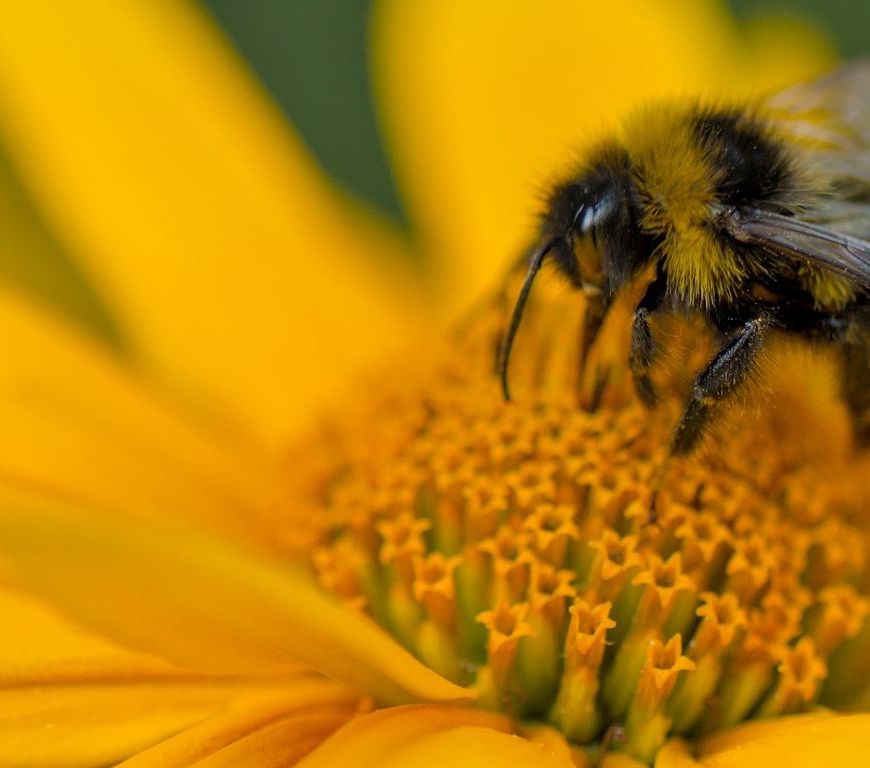
Gabriella Bishop introduces us to the latest study, conducted alongside colleagues, which indicates that agri-environmental management should target the provision of summer floral resources for both social and solitary bees. Bees in intensive agricultural landscapes Bees need flowers for food and reproduction. Previously, agricultural areas contained small fields with undisturbed borders and flower-rich pastures that provided bees with the resources they need. The transition to … Continue reading Bees go up, flowers go down: When are flowers needed most in agricultural areas?

The hidden values of the Wadden Sea

In this blog post, Paula de la Barra and Allert Bijleveld discuss their latest research, conducted alongside Geert Aarts. This work focusses on gas extraction under intertidal mudflats, and the impact that this has on macrozoobenthic communities and sediment. The importance of the Wadden Sea Every day the tide covers and reveals thousands of square kilometres of sand and mudflats in the Wadden Sea, the … Continue reading The hidden values of the Wadden Sea

Editor’s Choice 60:10 Can management measures be used to reduce the impact of extreme events in the early life of fish?

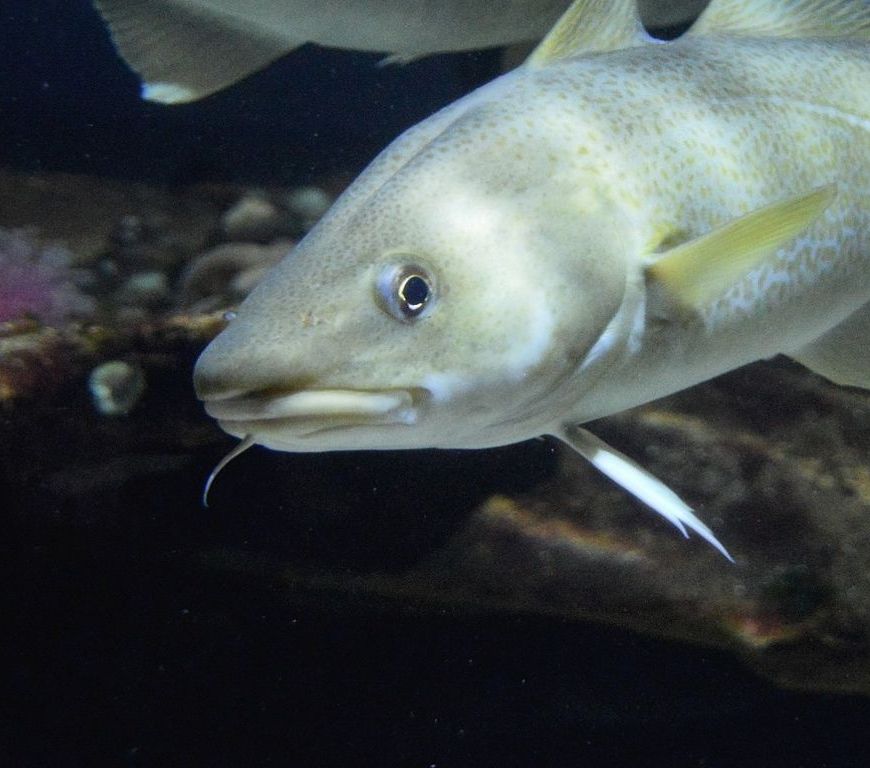
Author Lucie Buttay summarises Journal of Applied Ecology’s October’s Editor’s Choice research article. Conducted with colleagues, this study used a life cycle model to simulate ‘what if’ scenarios around Northeast Arctic cod eggs and larvae. Extreme climatic events, (e.g. heat waves and storms) are becoming more frequent and intense, and on top of that, the ever-growing development of human activities at sea, entails an increasing … Continue reading Editor’s Choice 60:10 Can management measures be used to reduce the impact of extreme events in the early life of fish?

Our invaded world: India’s quest for ecosystem restoration

Ninad Mungi shares recent work, conducted with colleagues, which involved monitoring India’s levels of invasive plant species. This has knock-on effects for apex predators, such as tigers, who rely on their prey being able to access native species. Introduction In a world grappling with drastic ecological challenges, biological invasions have emerged as a pernicious threat to biodiversity, ecosystem functioning, and global health. While the impacts … Continue reading Our invaded world: India’s quest for ecosystem restoration

Field research and ecosystem management also suffer in pandemics – but there are glimmers of hope

As the COVID-19 pandemic continues Ecological Solutions and Evidence Lead Editor, Holly Jones, addresses the impact of the pandemic on ecosystems and the people that research and manage them. Long-term datasets with at least a year gap. Graduate students left wondering if they’ll have enough data to graduate on time. Advanced PhD students and post-docs left in a tailspin of uncertainty regarding job prospects. Early … Continue reading Field research and ecosystem management also suffer in pandemics – but there are glimmers of hope

Video: Riverine ecosystem service quantification

Dalal Hanna et. al.’s paper, A review of riverine ecosystem service quantification: Research gaps and recommendations features in issue 55:3 of Journal of Applied Ecology. Watch this video to find out more. ‘Rivers provide numerous ecosystem services, including drinking water and irrigation. They also provide habitat to some our favourite food sources like fish, and places to go for fun recreational activities like swimming. To ensure … Continue reading Video: Riverine ecosystem service quantification

Editor’s Choice 55:1 – Integrating local knowledge and ecological research

The Editor’s Choice for issue 55:1 is written by Associate Editor, Paul Kardol. The article chosen is Integrating local knowledge and research to refine the management of an invasive non-native grass in critically endangered grassy woodlands by Firn et al. Elucidating patterns of species invasions and the underlying mechanisms are key challenges for present-day ecologists. They are also of utmost importance in developing effective management strategies. … Continue reading Editor’s Choice 55:1 – Integrating local knowledge and ecological research