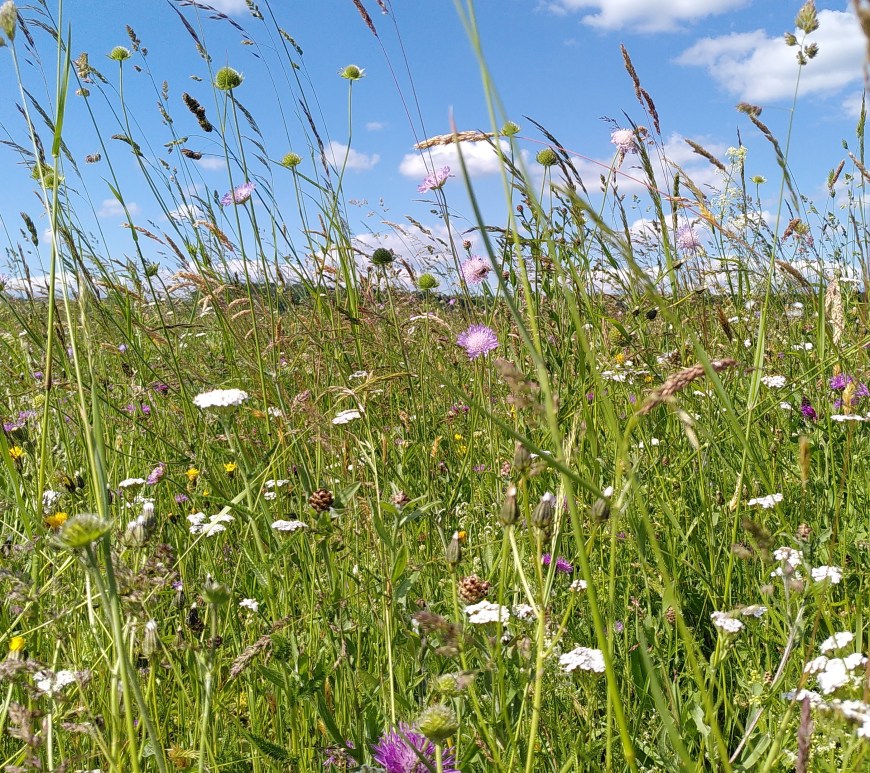
Corina Maurer: Different types of semi-natural habitat are required to sustain diverse wild bee communities across agricultural landscapes

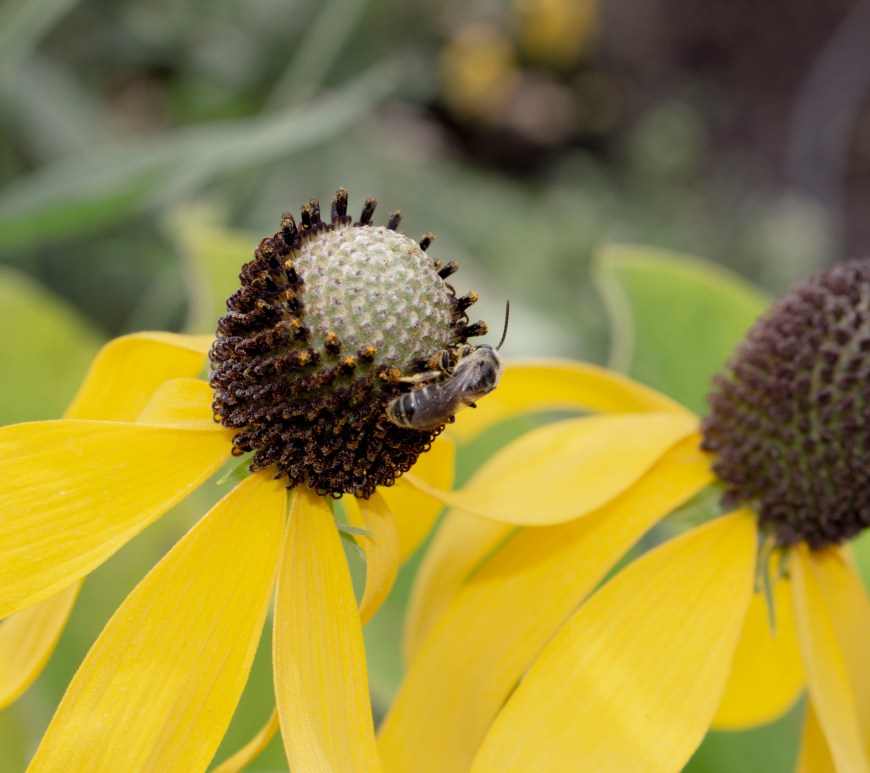
Shortlisted for the Southwood Prize 2022 Corina Maurer talks us through her and colleagues’ research on how different kinds of habitats are able to maintain a diverse bee community throughout agricultural landscapes. Habitats and bees Open habitat mosaics, such as grasslands interspersed with hedgerows that existed more than 150 years ago, were home to very diverse wild bee communities. But, the once so diverse and … Continue reading Corina Maurer: Different types of semi-natural habitat are required to sustain diverse wild bee communities across agricultural landscapes

Lucy Dowdall: The Natural Capital approach to estuaries

Shortlisted for the Georgina Mace Prize 2022 In their latest Perspective, Lucy Dowdall and colleagues present a framework for successful recovery of nature in estuaries using the Natural Capital approach. Estuaries are the transitional zones between freshwater rivers and saltwater seas. They are also some of the most complex and unique habitats on earth. They provide important habitats for a wide range of key species, … Continue reading Lucy Dowdall: The Natural Capital approach to estuaries

Kieran Gething: Predicting invertebrate richness and rarity in aquatic-terrestrial ecosystems

Shortlisted for the Georgina Mace Prize 2022 In their latest research, Kieran Gething and colleagues use a citizen science habitat survey to predict the richness and rarity of invertebrate communities in frequently inundated river sediments in order to guide monitoring and management of these dynamic habitats. River channels and their surrounding areas are dynamic ecosystems in which the extent of water varies in space and … Continue reading Kieran Gething: Predicting invertebrate richness and rarity in aquatic-terrestrial ecosystems

Luke Potgieter: Prioritizing sites to manage invasive aliens in urban ecosystems

Shortlisted for the Georgina Mace Prize 2022 In their latest research article, Luke Potgieter and colleagues developed a strategic, spatial prioritization approach for identifying sites most vulnerable to new or expanding terrestrial non-native plant invasions in urban landscapes. Cities have historically been under-studied in ecology and have not seen sufficient development of conservation and biodiversity management policy. This dearth of urban-focused applied ecology and conservation … Continue reading Luke Potgieter: Prioritizing sites to manage invasive aliens in urban ecosystems

Southwood Prize 2022: Shortlist announced for early career researcher award

Every year Journal of Applied Ecology awards the Southwood Prize to the best paper in the journal by an author at the start of their research career. With entries spanning the 59th volume of the journal, our Senior Editors carefully shortlisted the following 12 papers. Chongzhe Zhang with ‘Leveraging functional traits of cover crops to coordinate crop productivity and soil health’ Elizabeth Koziol with ‘Manipulating plant microbiomes … Continue reading Southwood Prize 2022: Shortlist announced for early career researcher award

Georgina Mace Prize 2022: Shortlist announced for early career researcher award

Each year, Ecological Solutions and Evidence awards the Georgina Mace Prize to the best research article published by an early career author. Today, we present the shortlisted articles for this year’s award based on the previous volume of the journal. This is the third year we’ll be awarding the prize in honour of Professor Dame Georgina Mace, a pioneer in conservation science and policy who was … Continue reading Georgina Mace Prize 2022: Shortlist announced for early career researcher award

Conservation in post-industrial cities: How does vacant land management and landscape configuration influence urban bees?

Each year, Journal of Applied Ecology awards the Southwood Prize to the best paper in the journal by an author at the start of their career. In this post, Katie Turo discusses her shortlisted paper which assessed local- and landscape-scale drivers of bee community composition and foraging within vacant lots of Cleveland, Ohio, USA.  Our cities are home to diverse bee communities and even rare bee species. As a result, … Continue reading Conservation in post-industrial cities: How does vacant land management and landscape configuration influence urban bees?

Southwood Prize 2021: early career researcher winner announced

We’re excited to announce Chinmay Sonawane as the winner of this year’s Southwood Prize, celebrating the best paper by an early career researcher in the 2021 (58th) volume of Journal of Applied Ecology. Chinmay’s winning paper is Public health and economic benefits of spotted hyenas Crocuta crocuta in a peri-urban system. About the research Research on interactions between people and wildlife has traditionally concentrated on the negative impacts on … Continue reading Southwood Prize 2021: early career researcher winner announced

How do fences affect animal movement behavior?

Each year, Journal of Applied Ecology awards the Southwood Prize to the best paper in the journal by an author at the start of their career. In this post, Wenjing Xu discusses her shortlisted paper which examined the behavioural responses of two migratory ungulate species to linear barriers in Wyoming, USA. Each year, thousands of migratory mule deer and pronghorn venture through the sagebrush plain in western Wyoming, … Continue reading How do fences affect animal movement behavior?

Amphibian resistance to chytridiomycosis increases following low-virulence chytrid fungal infection or drug-mediated clearance

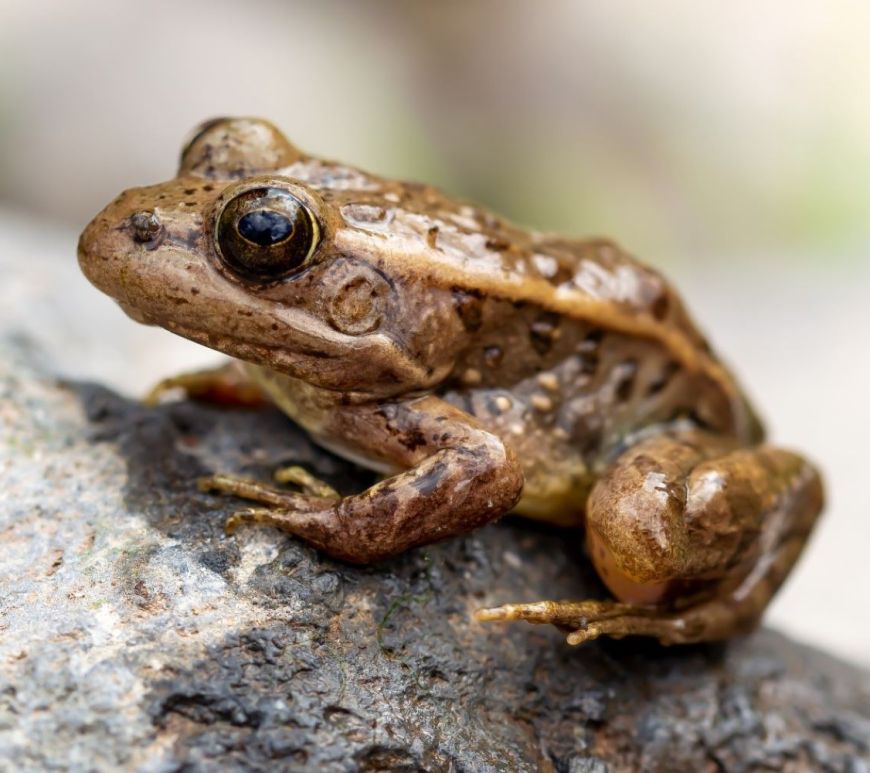
Each year, Journal of Applied Ecology awards the Southwood Prize to the best paper in the journal by an author at the start of their career. In this post, Anthony Waddle (University of Melbourne, Australia) discusses his shortlisted paper which developed a vaccine approach for increasing amphibian resistance to chytridiomycosis. Globalization has allowed us to live comfortable lives, accessing resources that may be naturally scarce in the … Continue reading Amphibian resistance to chytridiomycosis increases following low-virulence chytrid fungal infection or drug-mediated clearance