Demographic response to patch destruction in an endangered amphibian

Is rehabilitation always a good thing? Hugo Cayuela suggests alternative approaches for forest managers following the recently published article, Demographic response to patch destruction in a spatially structured amphibian population. Economic activities such as logging and mineral extraction can result in the creation of new anthropogenic habitats (e.g. temporary aquatic habitats) that may host specific biodiversity, including protected species. However, legislation in many Western European … Continue reading Demographic response to patch destruction in an endangered amphibian

How to recover endangered raptor species: the Spanish imperial eagle as a case study

Rounding up our Endangered Species Day series, Miguel Ferrer demonstrates how scientists and managers can work together and succeed in conservation efforts. Ferrer et al.’s paper, Reintroducing endangered raptors: A case study of supplementary feeding and removal of nestlings from wild populations, was our Editor’s Choice article for issue 55:3.  Recently, we published a paper about supplementary feeding of large raptors as a method to increase productivity … Continue reading How to recover endangered raptor species: the Spanish imperial eagle as a case study

Stress on the ski slope: individual capercaillies show different coping styles

As part of our cross-journal series for Endangered Species Day, Journal of Applied Ecology Associate Editor, Marc-André Villard considers Coppes et al.’s research around human-induced stress, and what this means for vulnerable populations. The full article, The importance of individual heterogeneity for interpreting faecal glucocorticoid metabolite levels in wildlife studies is available in Journal of Applied Ecology. Ecologists have long been aware that individual animals vary … Continue reading Stress on the ski slope: individual capercaillies show different coping styles

One step back, two steps forward: impacts of disturbance on the population dynamics of an endangered species

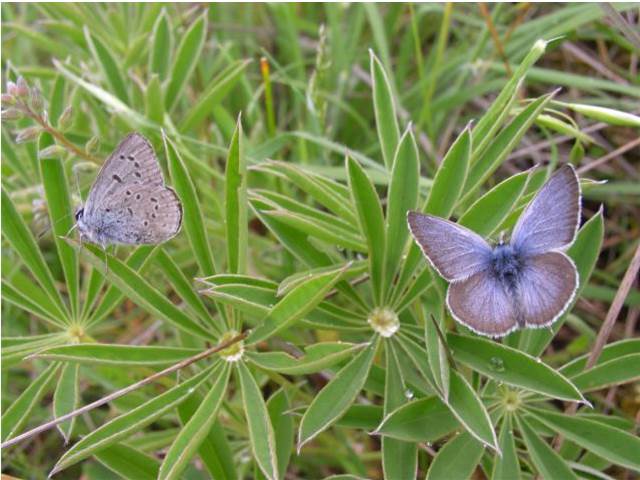
Associate Editor, Bret Elderd discusses the ‘double-edged sword’ fire presents to endangered species, based around the recent article by Warchola et al, Balancing ecological costs and benefits of fire for population viability of disturbance-dependent butterflies. The article features in issue 55:2 of Journal of Applied Ecology. In their recently published paper in Journal of Applied Ecology, Warchola et al. tackle a problem of conservation concern … Continue reading One step back, two steps forward: impacts of disturbance on the population dynamics of an endangered species

Editor’s choice 54:4 – The identification of critical catchments for freshwater conservation

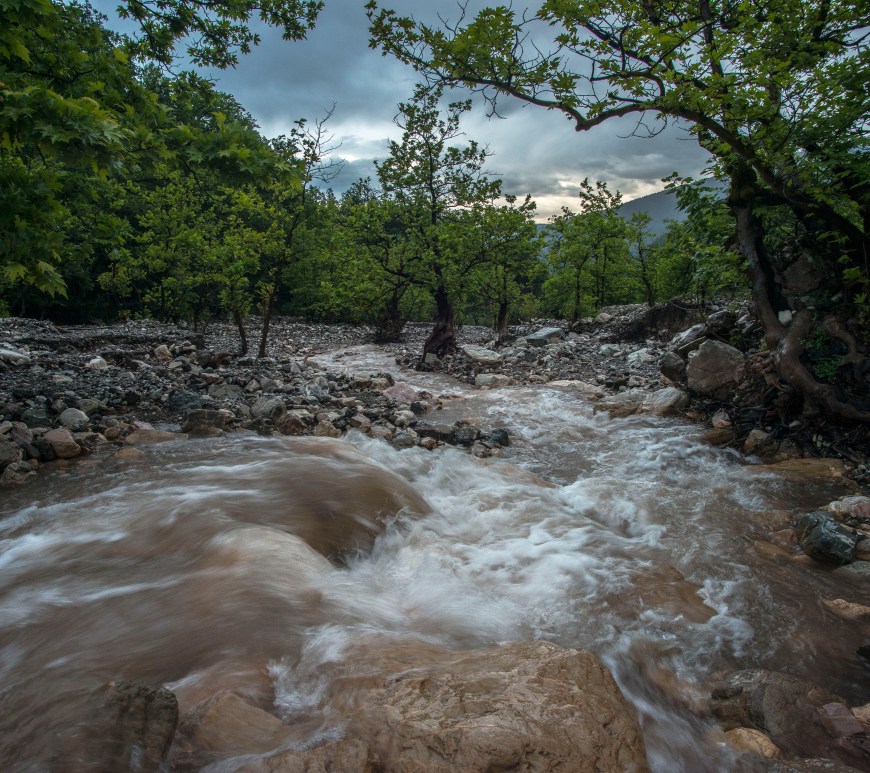
Issue 54:4’s Editor’s Choice post is written by Shelley Arnott. The article chosen is Critical catchments for freshwater biodiversity conservation in Europe: identification, prioritisation and gap-analysis by Savrina F. Carrizo and colleagues. Aquatic ecosystems around the world are threatened with environmental changes resulting in critical loss of biodiversity; 81% of freshwater populations monitored for the Living Planet Index have declined in abundance between 1970 and … Continue reading Editor’s choice 54:4 – The identification of critical catchments for freshwater conservation

How does one effectively engage communities for conservation? Try becoming PARTNERS

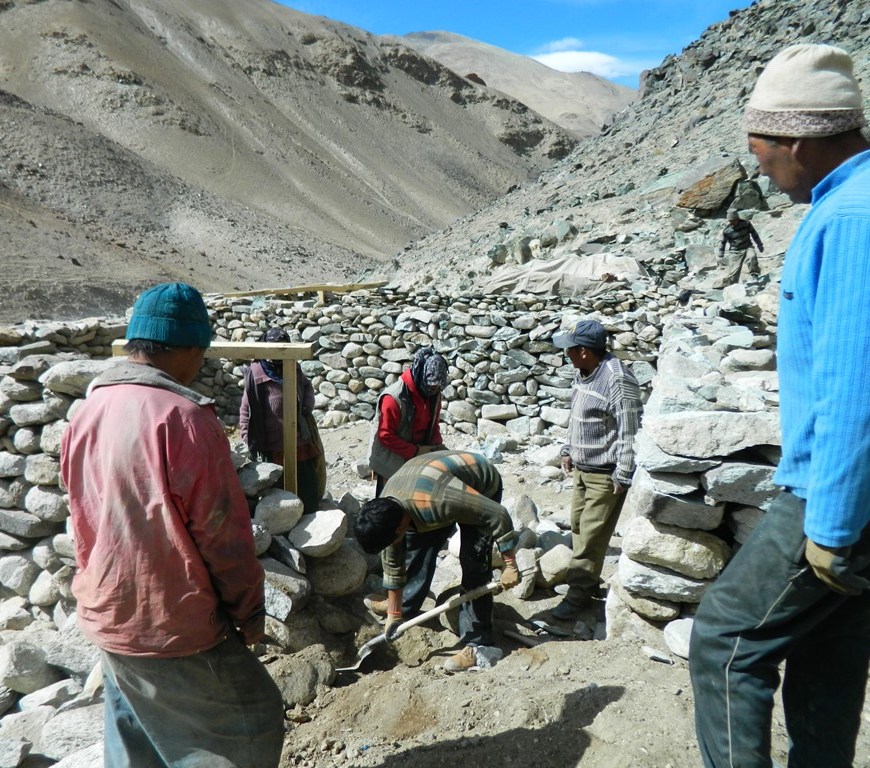
With a focus on community engagement, Matthias Fiechter, Charudutt Mishra, Steve Redpath, Brad Rutherford and Juliette Young, discuss the PARTNERS principle and importance of working with people towards conservation efforts. This post supports their recent Journal of Applied Ecology Practitioner’s Perspective, Building partnerships with communities for biodiversity conservation: lessons from Asian mountains. We’re currently witnesses to – and in many ways complicit in – the sixth mass … Continue reading How does one effectively engage communities for conservation? Try becoming PARTNERS

Video: Managing animals confiscated from the illegal wildlife trade with the Wildlife Rapid Rescue Team

Following his work for the recent Practitioner’s Perspective, Holistic management of live animals confiscated from illegal wildlife trade, Wildlife Alliance’s Director of Science, Dr. Thomas Gray  describes the policy recommendations and conclusions from the paper from the Cardamom Rainforest Landscape in Cambodia. Watch the video and read Tom’s post below. Our Practitioner’s Perspective piece in the Journal of Applied Ecology addresses an often over-looked aspect of the war against … Continue reading Video: Managing animals confiscated from the illegal wildlife trade with the Wildlife Rapid Rescue Team

Why hirola are the world’s most endangered antelope, and what it will take to save them – with Somali translation

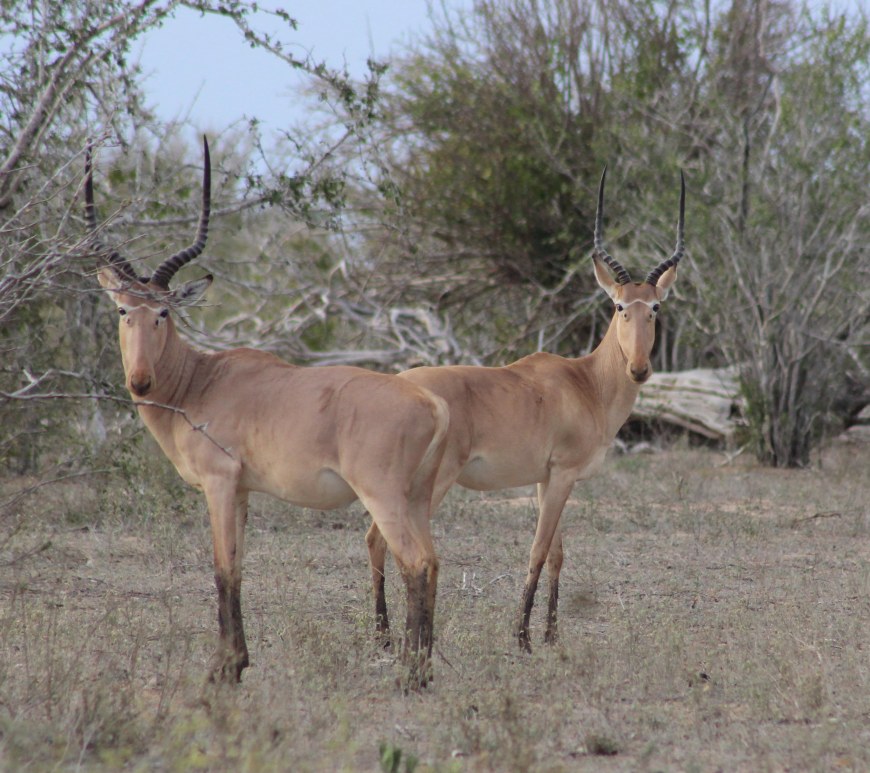
In this post Jacob Goheen and Abdullahi Ali discuss their recent paper ‘Resource selection and landscape change reveal mechanisms suppressing population recovery for the world’s most endangered antelope‘. Ali has also provided a Somali translation of this post. Journal of Applied Ecology is dedicated to making papers more accessible and increasing engagement with those in the region of the study. We encourage authors to write … Continue reading Why hirola are the world’s most endangered antelope, and what it will take to save them – with Somali translation

Choosing the appropriate analytical resolution for protected area planning

Blog post by Moreno Di Marco, Centre for Biodiversity and Conservation Science, The University of Queensland, Brisbane, Australia. Based on: Di Marco, M., Watson, J.E.M., Possingham, H.P. & Venter, O. (2016). Limitations and trade-offs in the use of species distribution maps for protected area planning. J. Appl. Ecol. doi 10.1111/1365-2664.12771. From local-scale management to global scale policy, conservation decisions are influenced by the knowledge of … Continue reading Choosing the appropriate analytical resolution for protected area planning

Giant Panda Conservation

Minerva Singh is a PhD Candidate at the University of Cambridge and she is involved with the BES Conservation Ecology Special Interest Group. In this post Minerva looks at whether zoos can help in the conservation of charismatic megafauna. For International Women’s Day, we asked Minerva about her career in science and the challenges and improvements she is seeing in STEM. You can read all … Continue reading Giant Panda Conservation