Early detection for invading tree pests: Targeted surveillance and stakeholder perspectives

Vasthi Alonso Chávez discusses how early detection of the emerald ash borer, responsible for the death of millions of ash trees in the United States, Canada, Russia and Eastern Europe, is essential for effective control. The growing volume of trade and travel across continents has accelerated the movement and introduction of pests and pathogens into regions outside their native range causing unprecedented ecological and economic … Continue reading Early detection for invading tree pests: Targeted surveillance and stakeholder perspectives

Detección temprana de plagas invasoras en árboles: Vigilancia optimizada y perspectivas sociológicas

Vasthi Alonso Chávez analiza cómo la detección temprana del barrenador esmeralda del fresno, responsable de la muerte de millones de fresnos en Estados Unidos, Canadá, Rusia y Europa del Este, es esencial para un control efectivo. El creciente volumen global del comercio y movimiento de árboles y sus productos, ha acelerado el transporte e introducción de plagas y enfermedades en regiones fuera de su área … Continue reading Detección temprana de plagas invasoras en árboles: Vigilancia optimizada y perspectivas sociológicas

Naturschutzgebiete mit einem hohen Anteil an Grünland sichern einen hohen Artenreichtum und eine hohe Biomasse von Heuschrecken

Dieser Beitrag ist hier auch auf Englisch verfügbar. Dominik Poniatowski und Kollegen beschreiben, wie sie die Umweltfaktoren des Artenreichtums und der Biomasse von Heuschrecken im Grünland bewertet und dabei zwischen Naturschutzgebieten und intensiv genutzter Agrarlandschaft verglichen haben. Das extensiv genutzte Grünland gilt als Hotspot der Biodiversität in Mitteleuropa. Allerdings wurde insbesondere seit Mitte des letzten Jahrhunderts die Nutzung auf vielen dieser Flächen intensiviert oder das … Continue reading Naturschutzgebiete mit einem hohen Anteil an Grünland sichern einen hohen Artenreichtum und eine hohe Biomasse von Heuschrecken

Grassland nature reserves safeguard a high species richness and biomass of grasshoppers

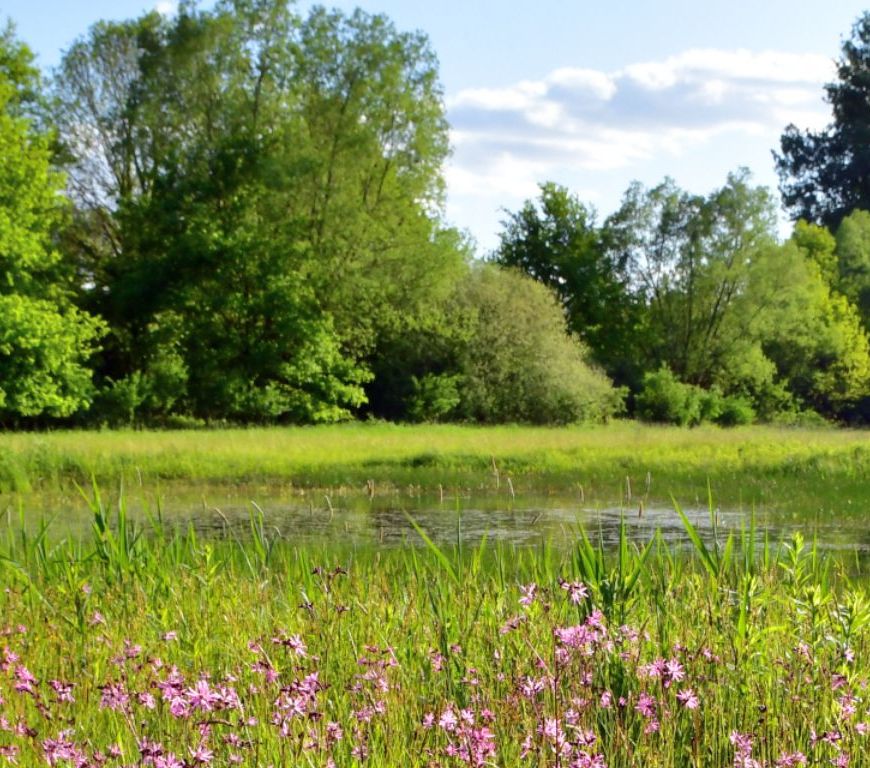
This blog post is also available in German here. Dominik Poniatowski and colleagues describe how they evaluated the environmental drivers of species richness and biomass of grasshoppers in grasslands, comparing this between nature reserves and intensively-used agriculture landscape. Grassland exhibiting low land-use intensity is considered a hotspot of biodiversity in Central Europe. However, particularly since the mid-20th century, grassland land use has often been intensified, … Continue reading Grassland nature reserves safeguard a high species richness and biomass of grasshoppers

ECR Journeys: Rainforest invertebrates, woody vines and ecosystem functions

This month, The Applied Ecologist is amplifying the voice of early career ecologists from around the world working in the field of applied ecology to help inspire the next generation. In this post, Charlotte Raven, a second-year PhD student at the University of the Sunshine Coast, Australia, shares her story. My background I have had a passion for insects my entire life; I think it … Continue reading ECR Journeys: Rainforest invertebrates, woody vines and ecosystem functions

On the horizon: omega-3 fatty acids in oil crops – saving fish or threatening insects?

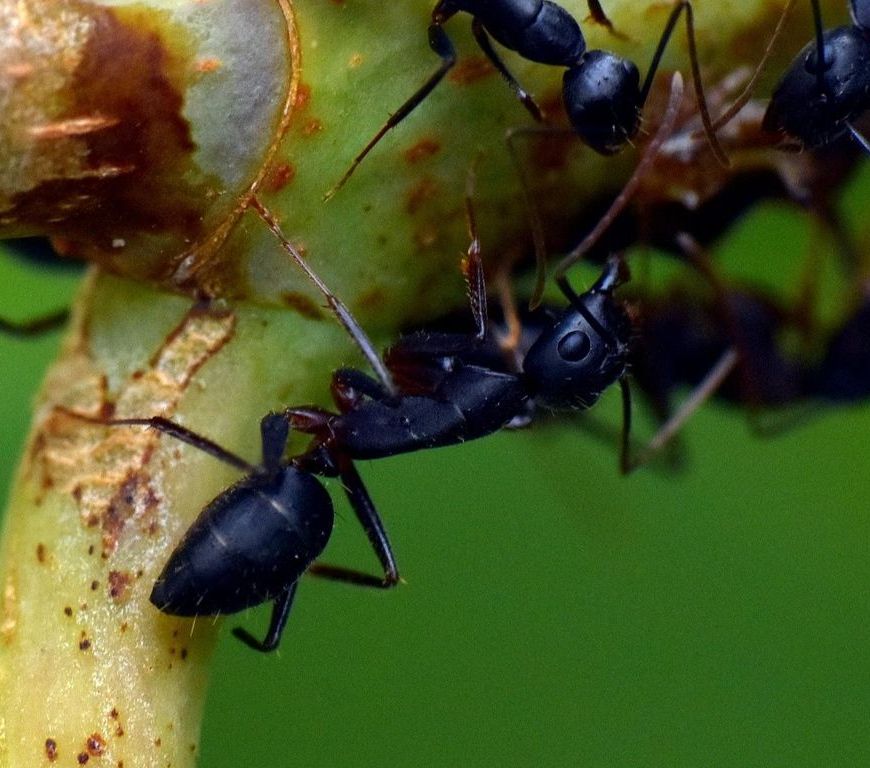
An emerging genetic technology that makes oilseed crops produce omega-3 fatty acids promises health and sustainability benefits, but there’s a potential adverse impact on insects that hardly anyone is talking about. Lynn Dicks and Xavier Le Roux round off our ‘On the horizon’ series. Polyunsaturated, long chain omega-3 fatty acids are the reason why healthy diet recommendations usually include seafood and oily fish like salmon, … Continue reading On the horizon: omega-3 fatty acids in oil crops – saving fish or threatening insects?