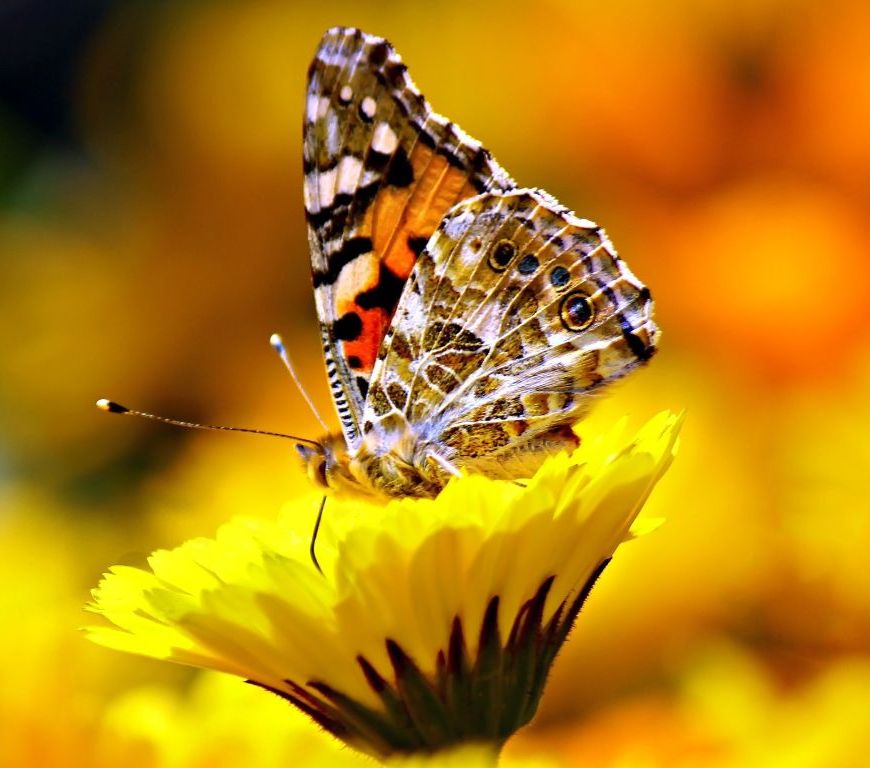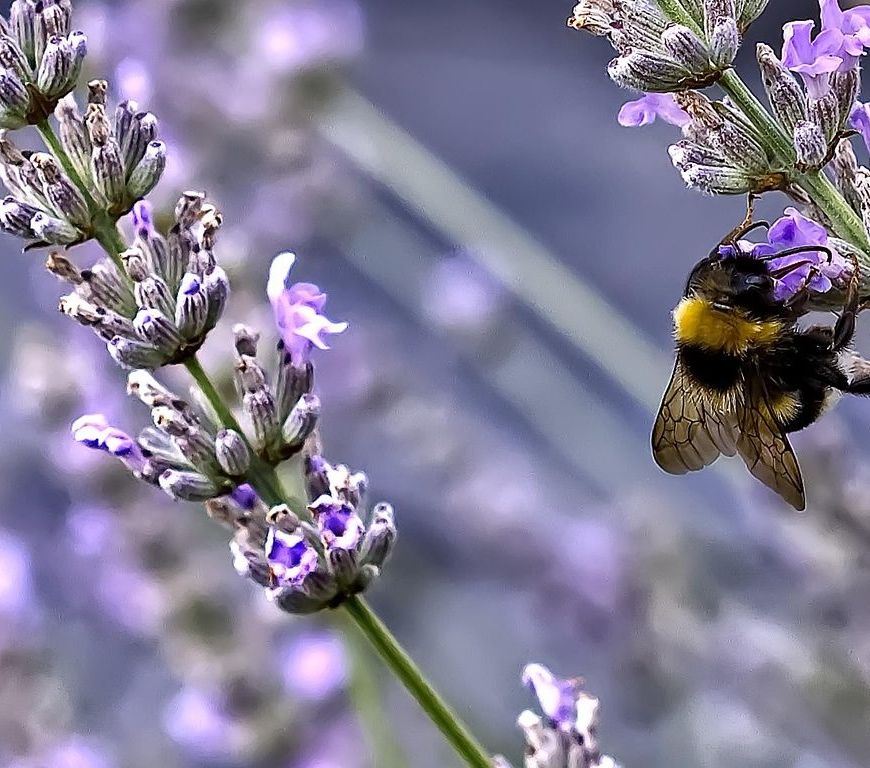
Small fields, big benefits: But only with semi-natural habitats nearby

Pollinators, like bumblebees, are essential for agriculture, yet they’re declining due to landscape simplification and habitat loss. In this blog post, Riho Marja and colleagues tell us more about their study. Riho Marja and his team explored the effect of field size on Bumble bee populations in Austria and Hungary. They explored this by setting up 56 commercial bumblebee colonies in Eastern Austria and Western … Continue reading Small fields, big benefits: But only with semi-natural habitats nearby

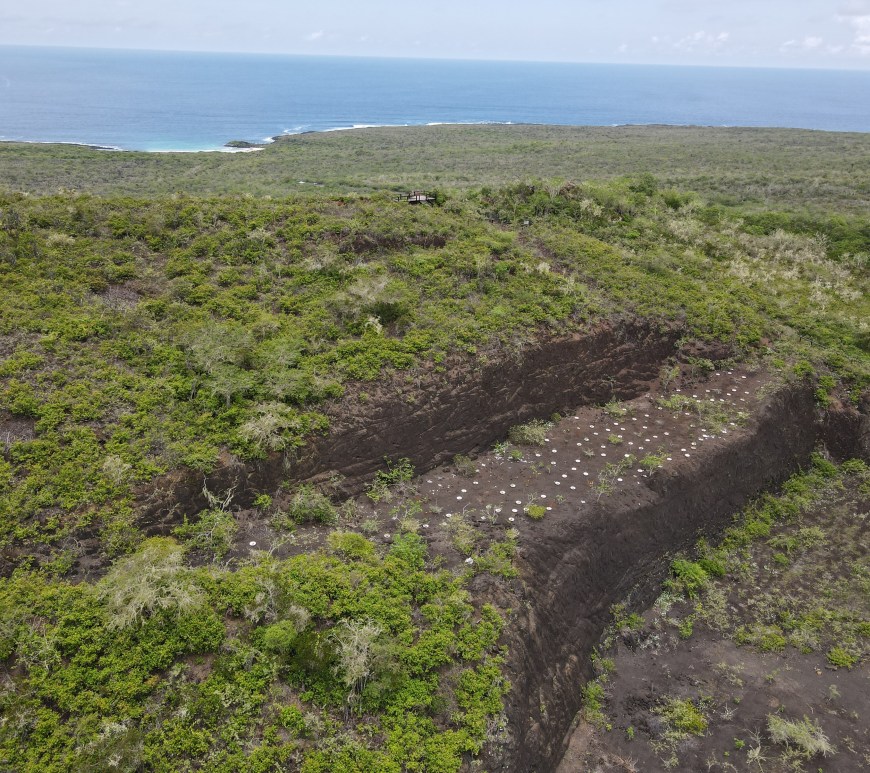
Quarries and garbage dumps inside the Galapagos National Park: How can we restore them?

Anna Calle-Loor, co-author of a new publication, shares her team’s experience assessing the survival of plant species in the Galapagos to inform decision-making amongst stakeholders. When you think of the Galapagos Islands, what comes to mind? Perhaps volcanic landscapes, giant tortoises and other unique wildlife, scenes that could easily belong in a nature documentary. But behind this iconic scenery lies a less picturesque reality: the … Continue reading Quarries and garbage dumps inside the Galapagos National Park: How can we restore them?

Umo  kumala kwankholongo kukhwaskira mabutterfly muvigawa vya mu AFrica – Kasi walimi wachokowachoko wangaovwira kuwezgera, kupwerelera mabutterfly

Cassandra Vogel na Vera Mayer, wafumiska kafuku-fuku wawo mwasonosono wakulongola kuchepa kwa malo yakukhalamo wabulawula mu Malawi. Wakughanaghana vyakusambizga walimi wachoko-wachoko kuti wasazgileko kulima mbewu za mitundu yinandi izo zikufumiska maluwa.Kweniso kuwoneskeska kuti wachitenge,panyakhe walimenge nthowa izo zikuwezgelengemo nyata mudongo. Continue reading Umo  kumala kwankholongo kukhwaskira mabutterfly muvigawa vya mu AFrica – Kasi walimi wachokowachoko wangaovwira kuwezgera, kupwerelera mabutterfly

Woodland loss impacts butterfly communities in Africa – can smallholder farmers help conserve them?

Cassandra Vogel and Vera Mayer present their latest research into the effects of habitat loss on butterflies in Malawi, suggesting that encouraging smallholders to increase the diversity of flowering crops and implement sustainable soil practices is needed. Continue reading Woodland loss impacts butterfly communities in Africa – can smallholder farmers help conserve them?

How can we limit wind turbine impacts on biodiversity?

There are growing concerns about the impact of renewable energy development on biodiversity. In their latest research, Camille Leroux and colleagues from the National Museum of Natural History of Paris, France, explore how wind turbines impact bat spatial distribution. World-wide policies have led to a drastic increase in renewable energy developments to tackle climate emergencies, either using solar, tidal or wind energy. While these energies … Continue reading How can we limit wind turbine impacts on biodiversity?

Eight steps to urban amphibian conservation: Framework to translate ecological knowledge to action

New research by Lee et al. demonstrates the utility of an eight-step framework to identify priority wetland habitats and movement corridors for urban amphibian conservation in cities. Author Nicole Kahal explains more in this blog post. Amphibians are one of the most imperilled species assemblages with diversity and abundance declines reported globally. Considered a key indicator of ecological condition, amphibians face many challenges in the … Continue reading Eight steps to urban amphibian conservation: Framework to translate ecological knowledge to action

Bringing back a peatland butterfly

Author Andrew Osborne describe his team’s study exploring the ecology of a peatland-specialist butterfly to ensure their successful reintroduction following the threat of severe habitat loss and degradation. A landscape scale peatland restoration project is being undertaken on Chat Moss, Greater Manchester, UK, with conservation translocations an important component of the work. Our study was undertaken to support a species reintroduction of the large heath … Continue reading Bringing back a peatland butterfly

Integrating socio-economic and ecological data leads to better management recommendations

Comparing the effects of habitat fragmentation with those of human persecution on the Chilean güiña, Associate Editor, Kulbhushansingh Suryawanshi discusses the recent article, A spatially integrated framework for assessing socioecological drivers of carnivore decline by Gálvez et al. When trying to understand the distribution and abundanceof species, very often, ecological studies ignore the interactions these animals have with one of the most ubiquitous species on the planet, the human! … Continue reading Integrating socio-economic and ecological data leads to better management recommendations

Biodiversity erosion in Brazil due to land use change: the case of grasslands

A new study by Ingmar R. Staude et al. calls for more restrictive policies around land use change in South Brazil’s grasslands. Read the full article, Local biodiversity erosion in south Brazilian grasslands under moderate levels of landscape habitat loss in Journal of Applied Ecology. Common perception of biodiversity in Brazil is mostly biased towards the exotic wilderness of Amazonia, to lush rainforests that harbor species … Continue reading Biodiversity erosion in Brazil due to land use change: the case of grasslands

Forest loss impacts fish diversity in the Amazon floodplain

Today’s post discusses the wider impacts of forest loss and comes from the team behind the recent article, Relationships between forest cover and fish diversity in the Amazon River floodplain. In the Amazon and most other major tropical regions, large forested areas are being cleared for development of agriculture, hydropower and human settlements. Floodplain forests provide key habitats and food resources for fish, including several … Continue reading Forest loss impacts fish diversity in the Amazon floodplain