Ecological Associations of Lantana camara in an East African Savanna Park

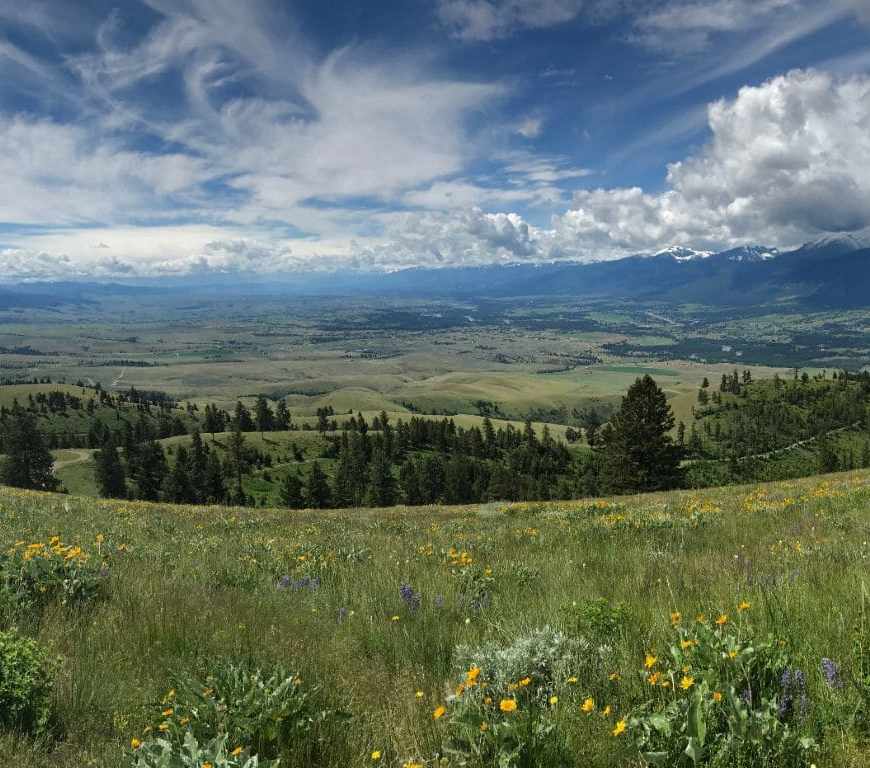
Fredrick Ssali, Robert Baluku, Gilbert Drileyo and Moses Muhumuza recount their experience investigating the invasive flowering plant Lantana camara and its impact on common native species in western Uganda. Researchers at the Uganda Wildlife Research and Training Institute (UWRTI) teamed up with scientists from two Ugandan Universities and explored associations between Lantana camara and common native species in Queen Elizabeth National Park in western Uganda. … Continue reading Ecological Associations of Lantana camara in an East African Savanna Park

Supportive effect of uncut refuge strips on grassland arthropods may depend on the amount and width of strips

In this blog post, author Kitti Révész and her team share their latest study exploring the effects of uncut refuge strips on the abundance and diversity of arthropods. What is the best management practice of hay meadows from an arthropod conservation point of view? Grassland arthropods are declining as a consequence of land-use change and intensive management. There are efforts to spread extensive management through … Continue reading Supportive effect of uncut refuge strips on grassland arthropods may depend on the amount and width of strips

Habitat availability alters the relative risk of a bovine tuberculosis breakdown in the aftermath of a commercial forest clearfell disturbance

In their new study, Murphy et al. discuss the relationship between human modification of landscapes and zoonotic disease emergence and spread, through their case study of bovine tuberculosis in Ireland. The interconnectedness of ecosystems is one of the most endearing facets of landscape ecology. Yet, it presents the biggest challenge for applied ecologists seeking to understand the cause and effect of ecosystem modification. Changes to … Continue reading Habitat availability alters the relative risk of a bovine tuberculosis breakdown in the aftermath of a commercial forest clearfell disturbance

Bee abundance estimates vary by collection method and flowering richness

Monitoring bee populations is becoming increasingly important and commonplace, but do current methods produce reliable estimates of bee communities? Authors Marirose Kuhlman and Philip Hahn explore this question in their latest research. Wild bees are the main pollinators in nearly all terrestrial ecosystems and are essential to the reproductive cycles of many native plants, agricultural crops, and to the success of habitat restoration projects. Because … Continue reading Bee abundance estimates vary by collection method and flowering richness

ESE Editor’s Choice 2:2 – Restoring ecosystems and our well-being

Associate Editor Elizabeth Bach introduces our latest Editor’s Choice article by Patrick Swanson who calls for a new paradigm in ecosystem restoration called ‘Restorative recreation’. Ecosystem restoration seeks to reunite native plants and animals in degraded ecosystem, improving biodiversity and ecosystem functioning. Many people deeply involved in ecosystem restoration also recognize the process of learning and restoring an ecosystem deepens our understanding of the natural … Continue reading ESE Editor’s Choice 2:2 – Restoring ecosystems and our well-being

Restorative recreation: One landowner’s restoration experience in Iowa’s Loess Hills

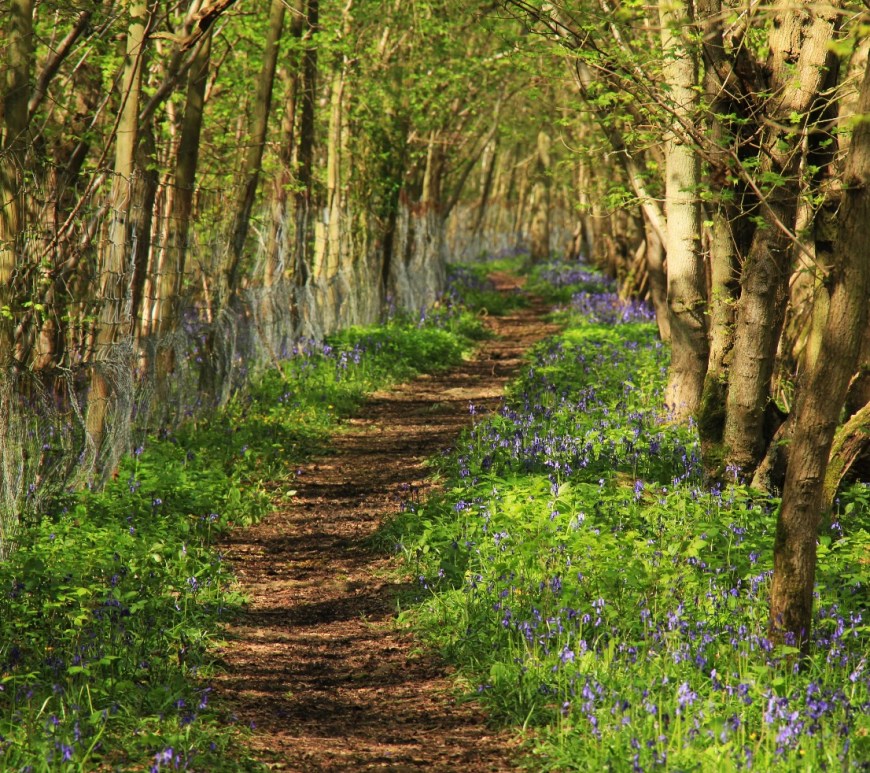
In his latest From Practice article, author and landowner Patrick Swanson describes his experience restoring a native prairie remnant in Iowa’s Loess Hills and introduces a new paradigm that maximizes benefits to personal wellbeing while improving the landscape for other species. This article is part of the cross-journal, cross-society Special Feature on the UN Decade on Ecosystem Restoration. Ecosystems worldwide are under mounting stress from … Continue reading Restorative recreation: One landowner’s restoration experience in Iowa’s Loess Hills

Wildfires: Are we ready for the future?

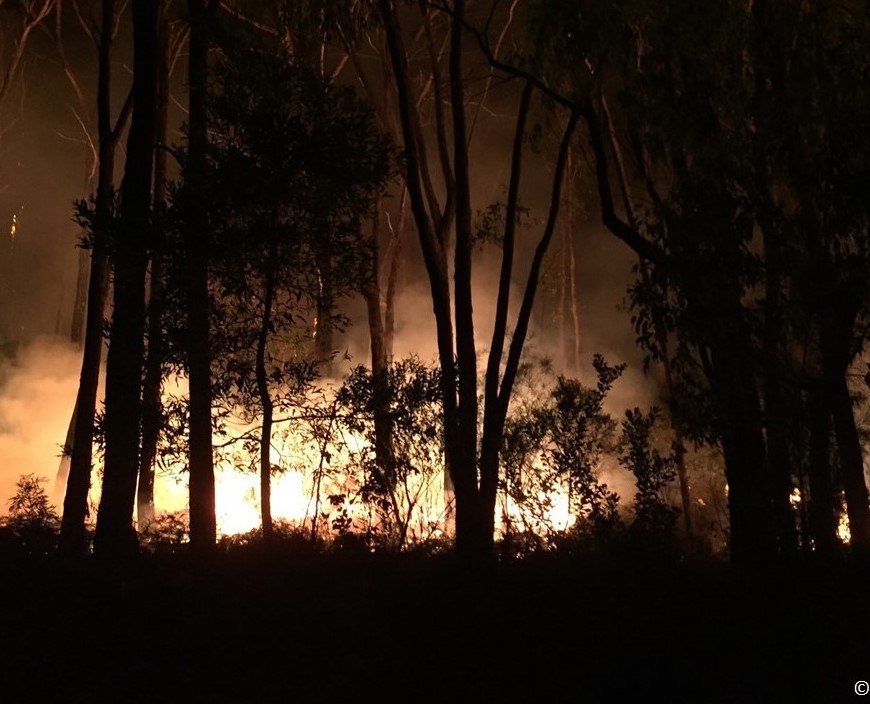
In the past 18 months we’ve witnessed some of the worst wildfire seasons in our history. With insight from relevant experts, Dr Eric Kennedy and Luke Smith – let’s delve into some of the key logistical challenges we’re facing in wildfire response. With record breaking temperatures, less predictable rainfall and an increase in extreme weather events, it is not surprising that fire seasons are changing. … Continue reading Wildfires: Are we ready for the future?

Can ‘Citizen Scientists’ play a valid role in conservation management?

The emergence of citizen science in biodiversity monitoring has transformed the methods by which biodiversity surveys can be conducted. With the recent development of automatic visual identification tools, Pierre Bonnet and colleagues present two distinct case studies implementing citizen science and the use of Pl@ntNet, an automatic plant identification platform. This article is part of the BES cross-journal special feature on Citizen Science. Effective monitoring … Continue reading Can ‘Citizen Scientists’ play a valid role in conservation management?

Managing sites with ash dieback to conserve functional traits

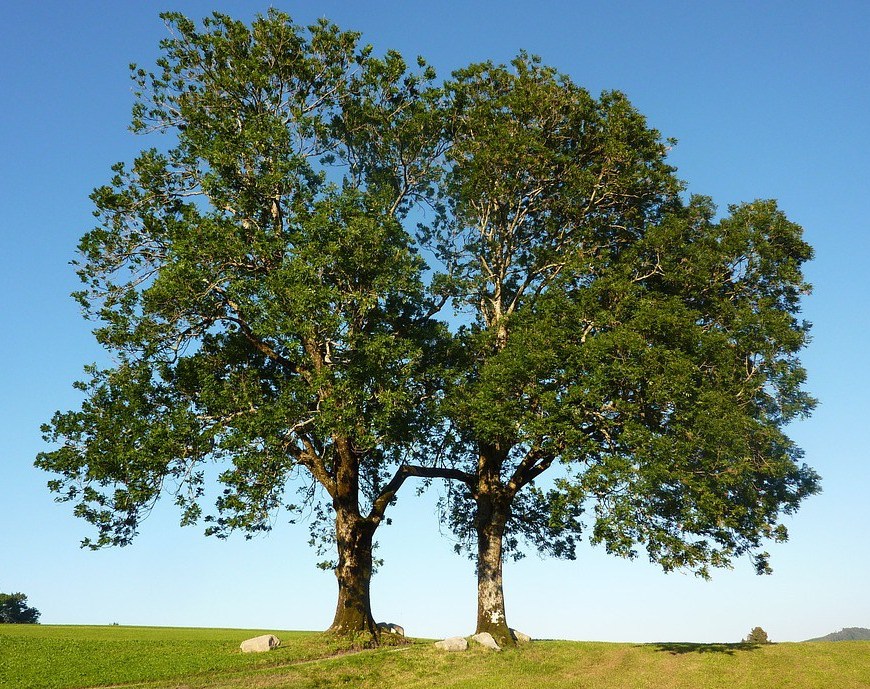
Adopting a technique generally used in the social sciences but rarely in ecology, Louise Hill (University of Oxford) et al. provide a new summary for land managers looking to predict and manage the effects of ash dieback. Their work was recently published in Journal of Applied Ecology: Maintaining ecosystem properties after loss of ash in Great Britain. Ash dieback, an invasive disease of ash trees, is … Continue reading Managing sites with ash dieback to conserve functional traits

Microclimate determines transplantation success

Associate Editor, Pieter De Frenne (Ghent University, Belgium) discusses assisted migration, climate change and the recent article by Brooker et al. Tiny niches and translocations: the challenge of identifying suitable recipient sites for small and immobile species. One of the key outstanding issues in applied ecology is to better inform land managers and policy makers how to adapt to climate change. Many species are currently shifting their … Continue reading Microclimate determines transplantation success