Landscape heterogeneity as a management tool to offset negative effects of habitat loss in agroecosystems

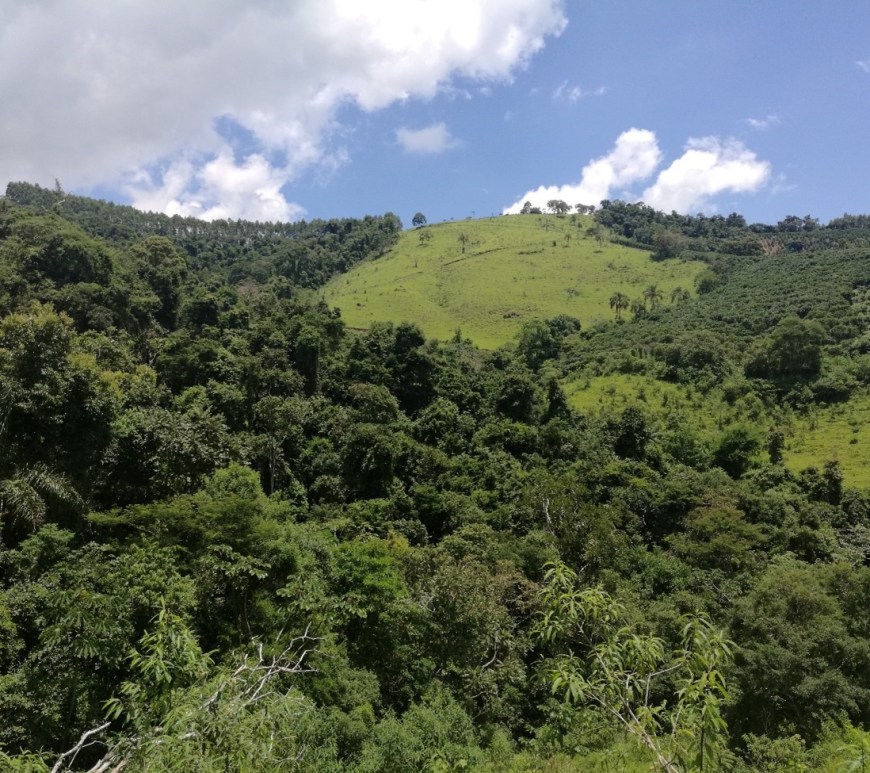
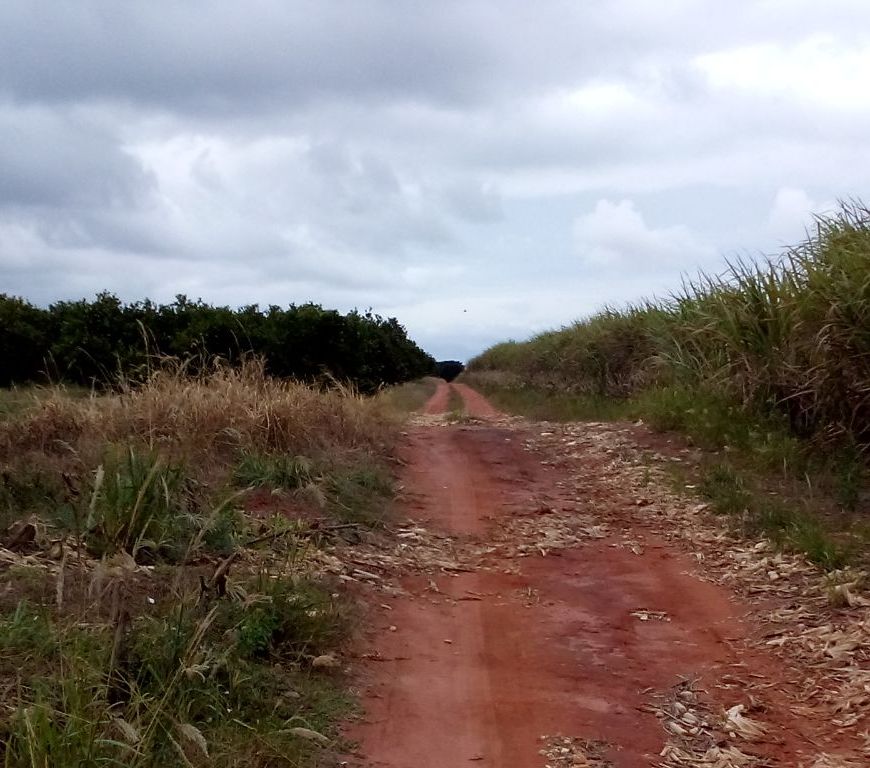
Marcella do Carmo Pônzio and Nielson Pasqualotto summarise their latest research in which they and colleagues investigated the effects of landscape heterogeneity and native vegetation cover on richness and composition of native and invasive mammals, across 55 landscapes in the Brazilian Savanna, Cerrado. A global process and a knowledge gap Intensive agriculture has significantly transformed landscapes by replacing native habitats and diversified small-scale farming into … Continue reading Landscape heterogeneity as a management tool to offset negative effects of habitat loss in agroecosystems

Rumslig och tidsmässig isolering av rapsfält minskar förekomsten av skadeinsekter och skador på grödan

Det här blogginlägget finns även på engelska här.
Fabian Boetzl berättar för oss om sin och sina kollegors forskning om landskapsbaserade strategier för att minska trycket från skadeinsekter och skador på grödor. Continue reading Rumslig och tidsmässig isolering av rapsfält minskar förekomsten av skadeinsekter och skador på grödan

Spatiotemporal isolation of oilseed rape fields reduces insect pest pressure and crop damage

This blog post is also available in Swedish here. Fabian Boetzl talks us through his and his colleagues’ new research on landscape-based strategies to reduce insect pest pressure and crop damage. The problem Systemic neonicotinoid insecticides are detrimental to a wide range of beneficial biodiversity, with wild bees as the most prominent example. Due to these observed negative side-effects, systemic neonicotinoid insecticides have been banned … Continue reading Spatiotemporal isolation of oilseed rape fields reduces insect pest pressure and crop damage

Biodiversity in landscape mosaics: Local land use, landscape and dung beetle assemblages

Raquel Carvalho and Ellen Andresen explain new research that evaluates the impact of land use, landscape structure, and their interactions, on dung beetles, a group of insects that provides many ecosystem services. Carvalho et al demonstrated that both factors act together to shape biodiversity patterns, and that the effect of landscape structure often depends on the specific land use studied. The problem Understanding the impact … Continue reading Biodiversity in landscape mosaics: Local land use, landscape and dung beetle assemblages

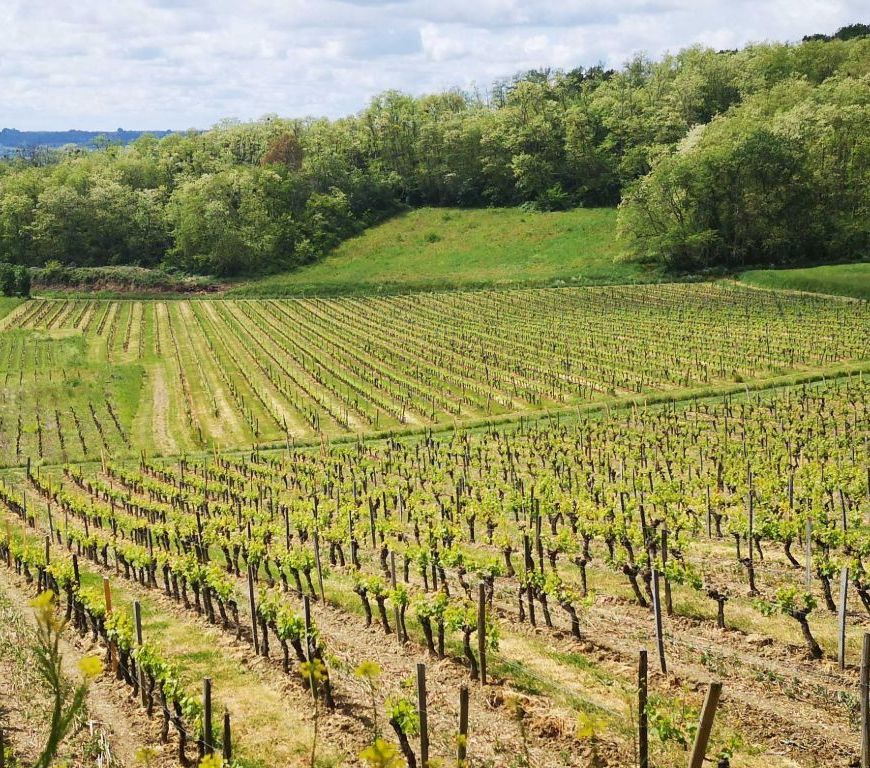
Diversifying plant communities in vineyards to increase natural pest control services

Léa Beaumelle and Adrien Rusch introduce their team’s latest research exploring different landscape contexts to identify ways to best foster natural pest control on agricultural lands. Insects and arthropods play key roles in agricultural systems. Arthropods comprise pests, such as aphids or caterpillars, but also beneficial organisms: predators such as spiders and ground beetles (natural enemies) prey upon insect pests and limit pest populations. As … Continue reading Diversifying plant communities in vineyards to increase natural pest control services

Una mayor cobertura forestal y matrices menos contrastantes mejoran el servicio de remoción de carroña por insectos carroñeros en paisajes tropicales

This post is also available in English (here) and Portuguese (here). Animales muertos es algo que mucha gente prefiere evitar: son visualmente desagradable, huelen realmente… simplemente son espantosos. Sin embargo, los animales involucrados en la descomposición de la carroña juegan un papel clave en la funcionalidad del ecosistema. Animales carroñeros (como buitres, algunos mamíferos o insectos) previene la acumulación de cadáveres, facilitan la distribución y … Continue reading Una mayor cobertura forestal y matrices menos contrastantes mejoran el servicio de remoción de carroña por insectos carroñeros en paisajes tropicales

Maior cobertura florestal e matrizes menos contrastantes melhoram o serviço de remoção de carniça por insetos necrófagos em paisagens tropicais

This post is also available in English (here) and Spanish (here). Carniça é algo que as pessoas evitam: é algo visualmente desagradável, cheira muito mal… é simplesmente horrível. Entretanto, os animais envolvidos na decomposição da carniça tem um papel chave na funcionalidade do ecossistema. Animais necrófagos (i.e., que se alimentam de carniça) como os urubús, alguns mamíferos e insetos, previnem a acumulação de carcaças, facilitam … Continue reading Maior cobertura florestal e matrizes menos contrastantes melhoram o serviço de remoção de carniça por insetos necrófagos em paisagens tropicais

Higher forest cover and less contrasting matrices improve carrion removal service by scavenger insects in tropical landscapes

This post is also available in Spanish (here) and Portuguese (here) In their latest research, Alvarado-Montero et al. assess the impact of landscape structure and matrix contrast on carrion removal by scavenger insects, an often overlooked but crucial ecosystem service which is important for nutrient cycling and disease control. Carrion is something that many people choose to avoid. However, animals involved in carrion decomposition play … Continue reading Higher forest cover and less contrasting matrices improve carrion removal service by scavenger insects in tropical landscapes

Issue 55:1

To start 2018, we’ve compiled some of the highlights for our first issue of the year. As well as a Special Feature on Functional traits in agroecology, issue 55:1 includes topics such as conservation, invasives and agricultural landscapes. Here we take a look at some of the author and Editor comments on articles in this issue: Special Feature: Functional traits in agroecology Authors from the … Continue reading Issue 55:1

Landscape structure and human management influence biodiversity value of livestock production systems

In this post Associate Editor, Elizabeth Nichols  and student, Jordan Reyes comment on the recent paper by Alvarado et al.,The role of livestock intensification and landscape structure in maintaining tropical biodiversity, published in Journal of Applied Ecology. The United Nations predicts that by the year 2050 the world population will have increased by 34%, reaching nearly 9.7 billion people. How can we support this growing human … Continue reading Landscape structure and human management influence biodiversity value of livestock production systems