Research and Elimination of Archipelago Racoon Dogs

Mikko Toivola and co-authors share a summary about their latest study which focuses on the movements of an invasive mesopredator within the Archipelago areas of Finland. The raccoon dog has been known to occur in the archipelago areas of Finland for a long time. However, the role of the species as part of the archipelago ecosystem is largely unknown. How many individuals live in a … Continue reading Research and Elimination of Archipelago Racoon Dogs

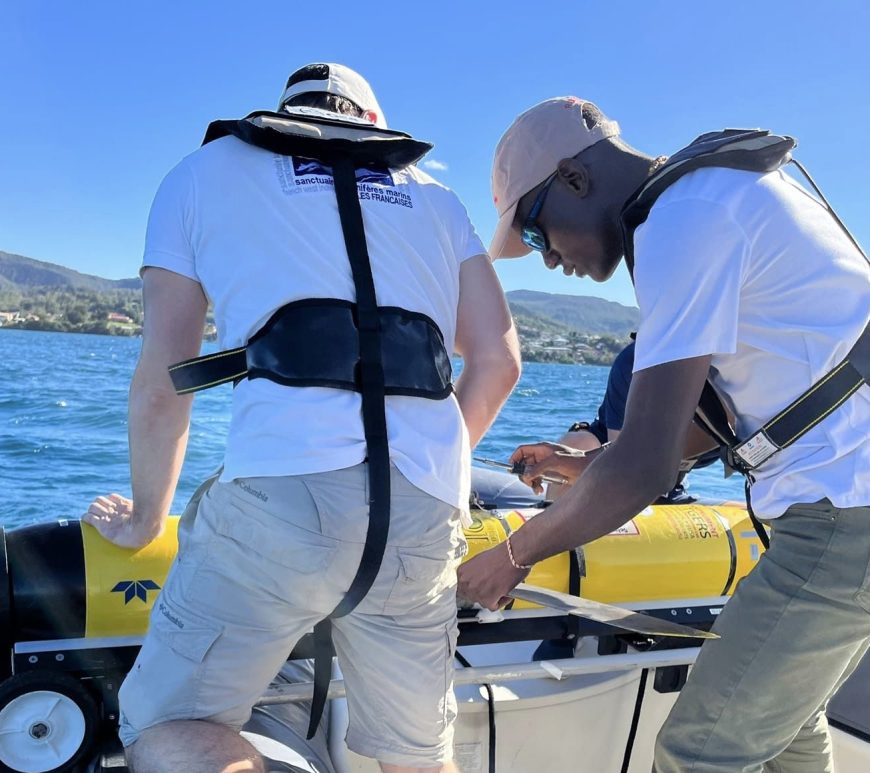
From the Caribbean to the World: Reclaiming My Path as a Black Marine Ecologist

For Black History Month 2024, the British Ecological Society (BES) journals are celebrating the work of Black ecologists from around the world and sharing their stories. In this blog, Lionel Yamb shares his story. Ecological interests: Links: https://x.com/lionelyamb https://www.linkedin.com/in/lionel-yamb-b66024103/ https://www.facebook.com/lionel.yamb?locale=fr_FR https://www.instagram.com/lionelyamb/ How did you get into ecology? My journey into ecology began with a deep curiosity about the natural world around me. Growing up in Cameroun, … Continue reading From the Caribbean to the World: Reclaiming My Path as a Black Marine Ecologist

Salomé Jaramillo Gil: Whale shark and ecotourism management

Shortlisted for the 2023 Southwood Prize Salomé Jaramillo Gil talks us through her research, conducted with colleagues, which aimed to predict whale shark abundance. Through results obtained via modelling and photo identification, it is suggested that local authorities apply the model each spring. Ecotourism and conservation Nowadays, ecotourism with wildlife has witnessed unprecedented growth, attracting tourists seeking immersive experiences with nature. However, when ecotourism guidelines … Continue reading Salomé Jaramillo Gil: Whale shark and ecotourism management

New Associate Editors: February 2022

We are delighted to welcome three new Associate Editors to the Journal of Applied Ecology editorial board: Sarah Faye Harpenslager, Francesca Pilotto and Fraser Januchowski-Hartly. Find out more about them and their research interests below: Sarah Faye Harpenslager, B-Ware research centre, Netherlands. Sarah Faye is a biogeochemist and aquatic ecologist. Her main research interests comprise the cycling of nutrients, the interaction between plants and their … Continue reading New Associate Editors: February 2022

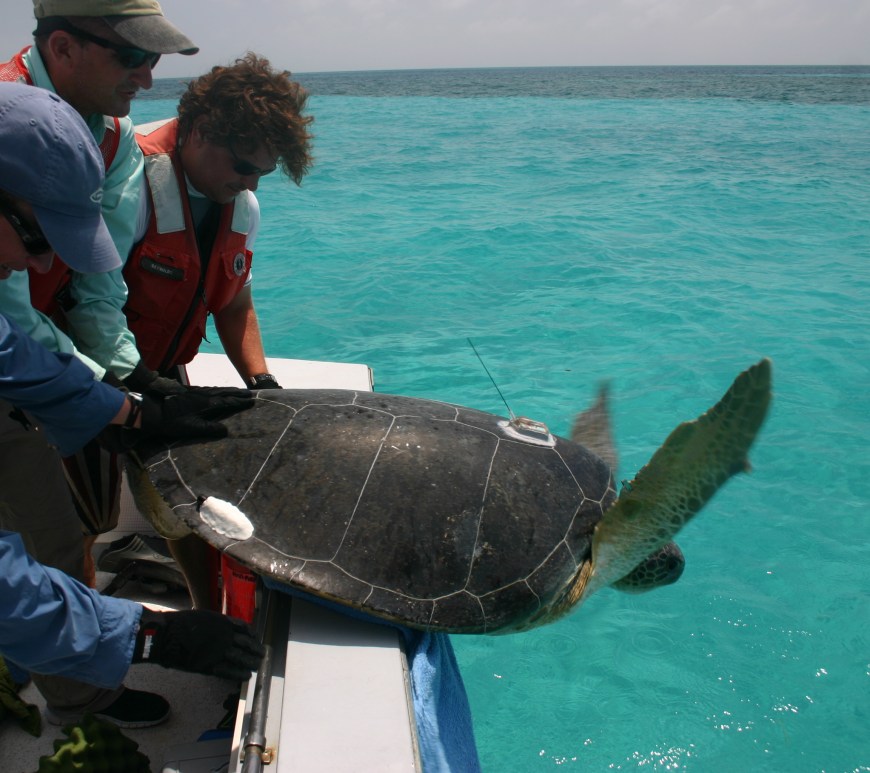
Habitat selection modelling reveals sea turtles use protected areas in greater proportion to their availability

Marine Protected Areas (MPAs) are designated regions to help conserve wildlife but how are they used by the species they protect? In their latest research, Kelsey Roberts and colleagues evaluate the use of these protected areas by sea turtles to help inform better design and management of MPAs. Scientists agree that area-based conservation efforts are key to preserving biodiversity and ecosystems, as well as ocean-based … Continue reading Habitat selection modelling reveals sea turtles use protected areas in greater proportion to their availability

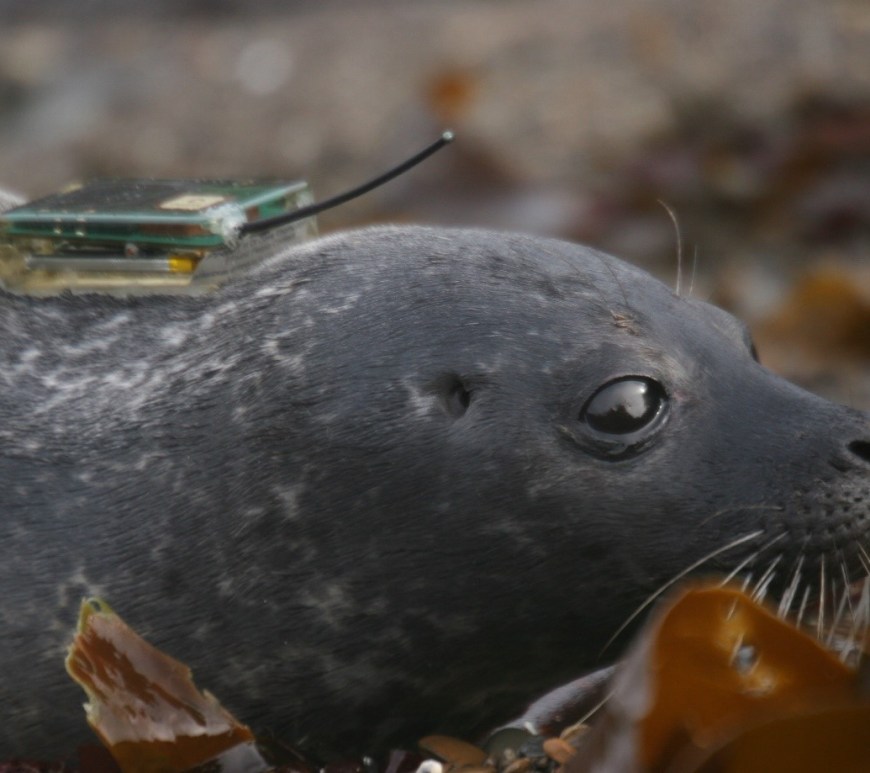
Seals avoid tidal turbine sounds

What do tidal turbines mean for our marine mammals? Gordon Hastie comments on recent article, Harbour seals avoid tidal turbine noise: Implications for collision risk, published in Journal of Applied Ecology. Does reliable tidal energy come at an environmental cost? Renewable energy is rapidly gaining momentum in an effort to cut carbon emissions and reduce the effects of climate change.  Although wind and solar are … Continue reading Seals avoid tidal turbine sounds