The impact of downhill skiing on birds

Mattia Brambilla & Francesca Roseo share their experience researching the impact of skiing on biodiversity. Up and down mountains, along with their winged inhabitants For many years, both of us have been passionate skiers. We engaged in ski competitions in our youth and deeply enjoyed downhill skiing, along with the other various outdoor activities in the mountains. But then something changed along the way. Ski … Continue reading The impact of downhill skiing on birds

Human-wildlife coexistence: The need for evidence-based solutions

Chen Huang provides an overview of their investigation into human-wildlife conflict, and explains how research gaps can be turned into opportunities. Humans and wildlife share the planet, often in proximity. In many parts of the world, villagers see elephants, lions, dolphins, and seabirds as part of their daily lives—much like city dwellers spot starlings feeding in a park. While wildlife is culturally valuable and a … Continue reading Human-wildlife coexistence: The need for evidence-based solutions

Elizabeth Tinsley: Bats are avoiding solar sites

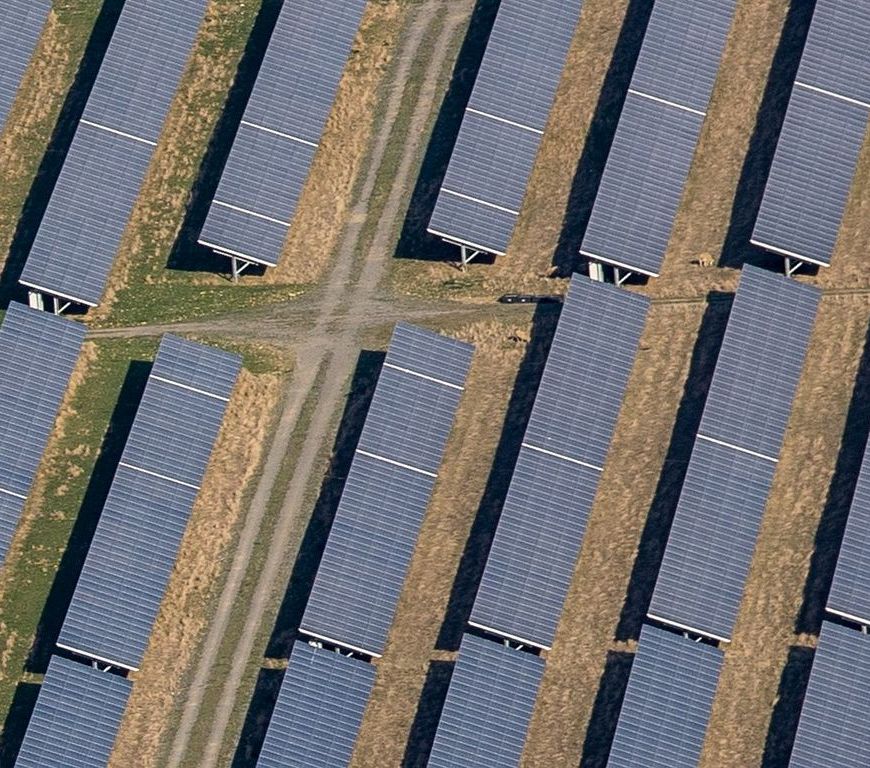
Shortlisted for the 2023 Southwood Prize Elizabeth Tinsley talks us through how she and colleagues conducted a paired study at 19 ground-mounted solar PV developments in southwest England. Through the use of static detectors to record bat echolocation calls and the development of generalised linear mixed-effect models, it was determined that ground-mounted solar photovoltaic developments have a significant negative effect on bat activity. Bats and … Continue reading Elizabeth Tinsley: Bats are avoiding solar sites

Calculando los costes económicos de las invasiones biológicas

Ali Serhan Tarkan e Ismael Soto discuten en su trabajo recientemente publicado, realizado con un equipo interdisciplinario, que trata sobre las nuevas invasiones biológicas y sus impactos. El estudio sugiere que, para gestionar eficazmente las invasiones, los gestores de decisiones necesitan información sólida en la cual basar sus decisiones. Continue reading Calculando los costes económicos de las invasiones biológicas

Dolar ve sent olarak biyolojik istilalar

Ali Serhan Tarkan ve Ismael Soto, biyolojik istilalar ve etkileri hakkında meslektaşlarıyla birlikte yürüttükleri çalışmayı tartışıyorlar. Çalışma, istilaları etkili bir şekilde yönetmek için karar verici mekanizmaların kararlarını kuvvetlendirecek güvenilir bilgilere ihtiyaç olduğunu ortaya koymaktadır. Continue reading Dolar ve sent olarak biyolojik istilalar

Factoring in the dollars and cents of biological invasions

Ali Serhan Tarkan and Ismael Soto discuss recently published work, conducted with colleagues, surrounding novel biological invasions and their impacts. The study suggests that, to effectively manage invasions, decision-makers need solid information to base decisions on. Continue reading Factoring in the dollars and cents of biological invasions

Die Berücksichtigung der Kosten biologischer Invasionen in Risiko-Evaluationen

Ali Serhan Tarkan und Ismael Soto diskutieren ihr kürzlich veröffentlichte Arbeit über neuartige biologische Invasionen und ihre Auswirkungen. Die Studie legt nahe, dass Entscheidungsträger solide Informationen — inklusive hinsichtlich monetärer Kosten — benötigen, um Invasionen effektiv zu managen. Continue reading Die Berücksichtigung der Kosten biologischer Invasionen in Risiko-Evaluationen

Estimating when the Tiger mosquito will invade a country to prevent the exposure to vector-borne diseases

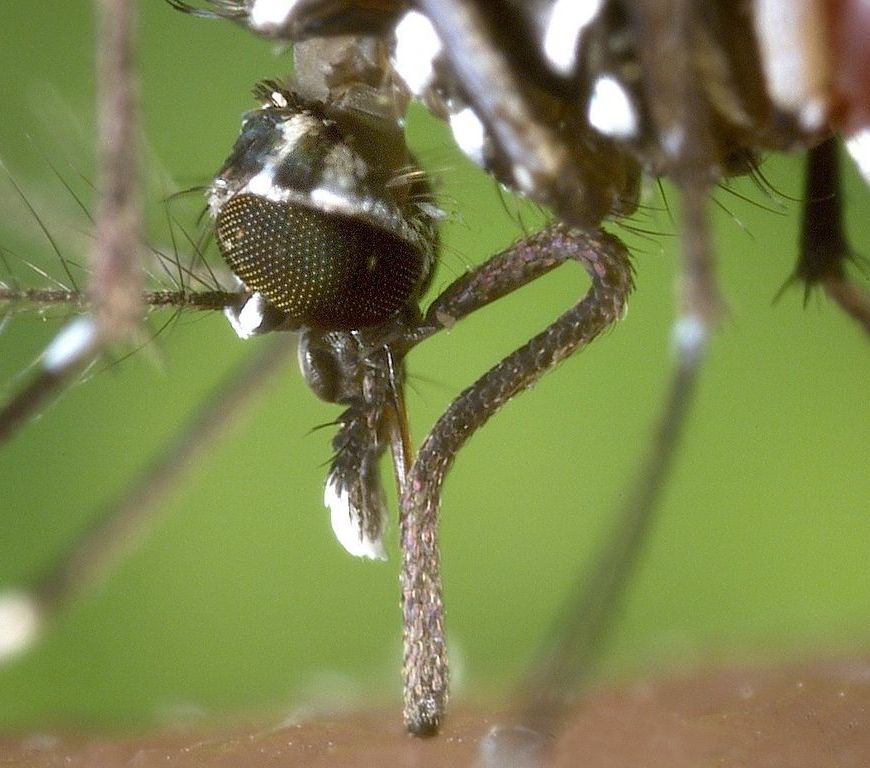
Sandra Oliveira discusses new research, conducted with colleagues, that saw the development of a model to predict the possible future spread of the invasive Tiger mosquito. The Tiger mosquito (Aedes albopictus) is a highly invasive species that, in the last 40 years, has colonized all continents except Antarctica. Why do we need to worry about it? Because this mosquito can carry several viruses and spread … Continue reading Estimating when the Tiger mosquito will invade a country to prevent the exposure to vector-borne diseases

Call for proposals: Biodiversity, planning and development

The British Ecological Society journals Ecological Solutions and Evidence, Journal of Applied Ecology and People and Nature are seeking proposals for their new cross-journal Special Feature: “Biodiversity, planning and development – towards best practice“. The UN Decade on Ecosystem Restoration (2021-2030) highlights the need to move beyond conservation and protection to a nature positive agenda, to address the climate and biodiversity crises. Planning, as a … Continue reading Call for proposals: Biodiversity, planning and development

Simple, low-cost tools can mitigate the negative impacts of climate change on incubating sea turtle clutches.

Successful incubation and production of male sea turtle hatchlings is threatened by increased global temperatures. In their latest research, Clarke and colleagues test the efficacy of two potential nest intervention approaches in reducing nest incubation temperatures in a nesting loggerhead turtle population in the Eastern Atlantic Ocean. Sea Turtles Are Vulnerable to Climate Change The Intergovernmental Panel on Climate Change (IPCC) predicts increases in global mean … Continue reading Simple, low-cost tools can mitigate the negative impacts of climate change on incubating sea turtle clutches.