A safe passage: Protecting migratory birds in the North Sea

Maja Bradarić summarises how, alongside colleagues, they used 5 years of tracking bird radar data, weather and phenological variables to develop seasonal forecasts of bird migration over the southern North Sea. These forecasts of nocturnal bird migration may be used to define curtailment thresholds for offshore wind energy. In May 2023, turbines in two offshore wind farms in the Dutch North Sea came to a virtual … Continue reading A safe passage: Protecting migratory birds in the North Sea

Bark beetles in boreal forests: Calm before the storm?

In this week’s blog post, Jostein Gohli and authors discuss their recent research which explores how climatic and management-related factors influence bark beetle population sizes in boreal forests. The European spruce bark beetle The European spruce bark beetle (Ips typographus) is a notorious tree-killer in spruce-dominated forests. The last 5-10 years it has caused enormous problems in Central Europe, killing hundreds of millions of spruce … Continue reading Bark beetles in boreal forests: Calm before the storm?

Land sparing outperforms land sharing for Amazonian bird communities regardless of surrounding landscape context

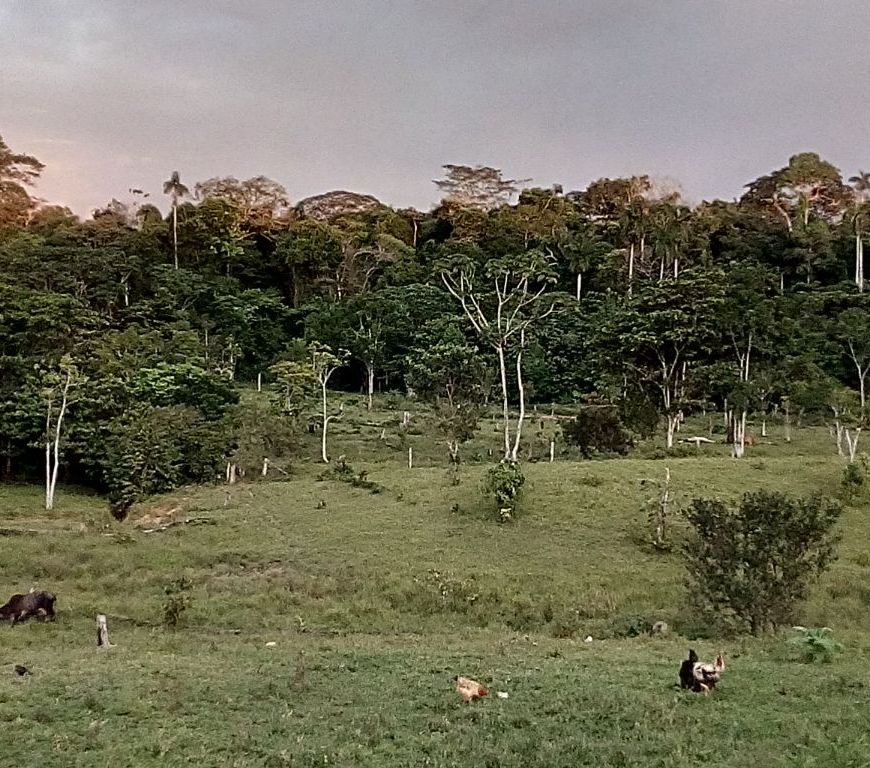
Benjamin Birch discusses the role of wildlife-friendly habitat in the wider surrounding landscape in promoting farmland diversity. Alongside colleagues, Birch modelled strategies of land sparing and land sharing under different levels of production. Background The conversion of natural habitats to agriculture is one of the greatest threats to biodiversity globally. Currently, 40% of the Earth’s land is dedicated to farming, and projections show a further … Continue reading Land sparing outperforms land sharing for Amazonian bird communities regardless of surrounding landscape context

Working hard or hardly working? Modelling success of current grassland agri-environment schemes

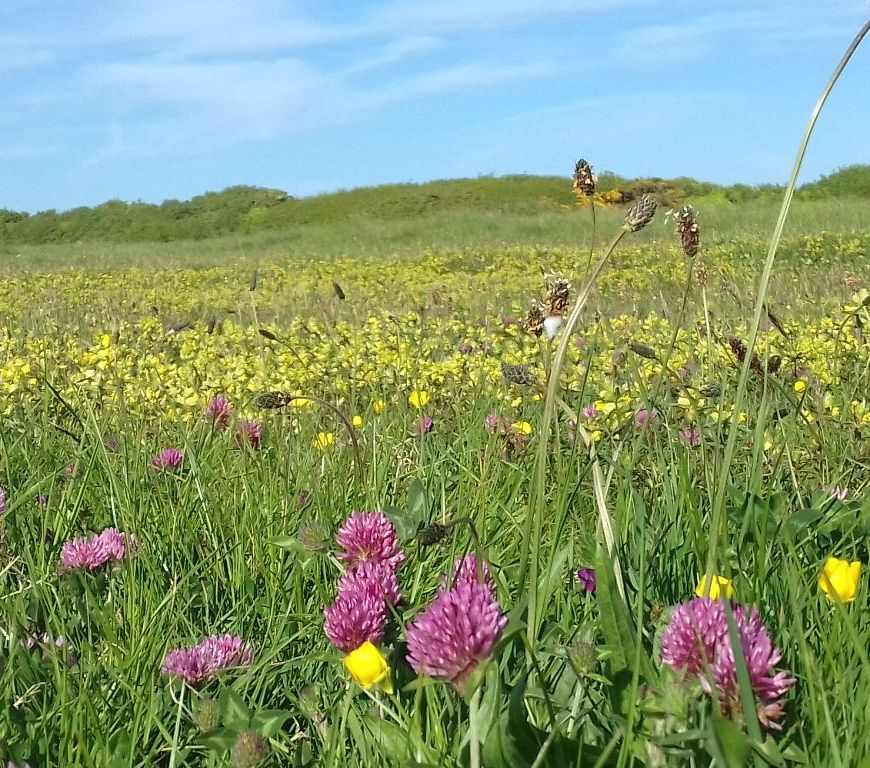
Shortlisted for the Georgina Mace Prize 2023 In this blog post, author Bede West describe his team’s study analysing the potential for agri-environment schemes to achieve positive changes in plant biodiversity. Plants and soils are the trophic foundations of most temperate terrestrial ecosystems but they are being progressively impacted by climate change, biodiversity loss and a plethora of other environmental impacts. These issues must be … Continue reading Working hard or hardly working? Modelling success of current grassland agri-environment schemes

Salomé Jaramillo Gil: Whale shark and ecotourism management

Shortlisted for the 2023 Southwood Prize Salomé Jaramillo Gil talks us through her research, conducted with colleagues, which aimed to predict whale shark abundance. Through results obtained via modelling and photo identification, it is suggested that local authorities apply the model each spring. Ecotourism and conservation Nowadays, ecotourism with wildlife has witnessed unprecedented growth, attracting tourists seeking immersive experiences with nature. However, when ecotourism guidelines … Continue reading Salomé Jaramillo Gil: Whale shark and ecotourism management

What butterflies tell us about greenspace management in urban developments

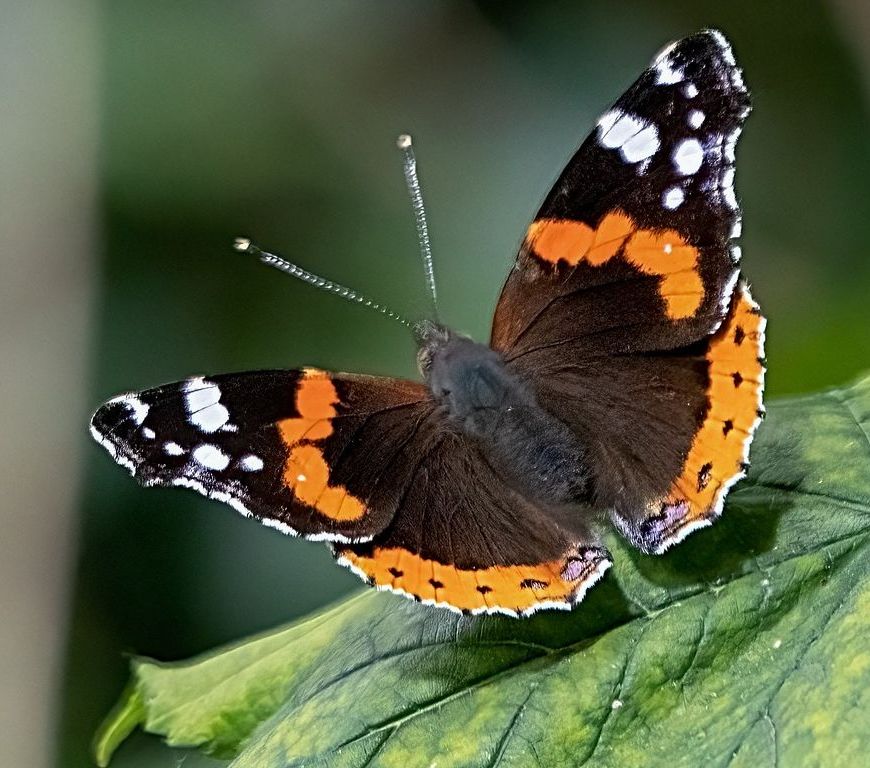
Dr Joseph Cooper, from the British Trust for Ornithology, shares recent research conducted alongside colleagues which saw the development of models. These models provide the foundation through which butterfly abundance could be integrated into an urban biodiversity assessment tool, providing species- and community-level statistics to non-specialists from the urban planning and design sector. The prevailing view on new housing is it is built at the … Continue reading What butterflies tell us about greenspace management in urban developments

How can we efficiently create protected areas in inaccessible, yet threatened, areas?

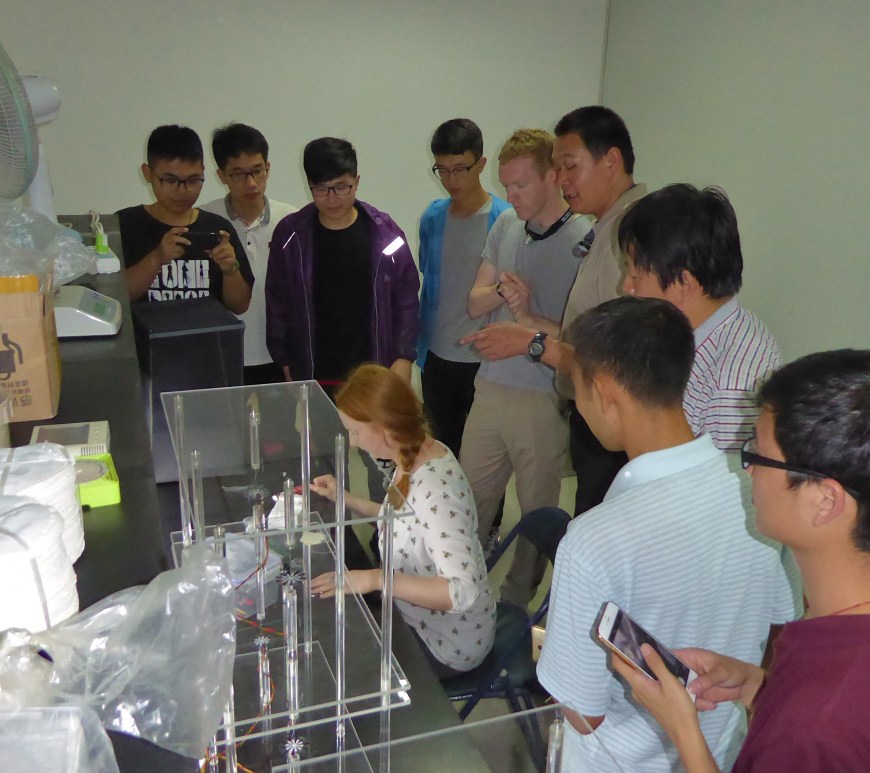
Delphine Ducros discusses the latest research with colleagues which saw how a suite of modelling tools can be used to identify and protect remote, data-poor natural areas in regions that are in need of urgent conservation policy. The challenge of sampling remote areas Human footprint is increasing worldwide, reaching even the most remote places, with potential threats to biodiversity. In isolated places, assessing and anticipating … Continue reading How can we efficiently create protected areas in inaccessible, yet threatened, areas?

ECR Journeys: Treescapes for People and Nature 

This month, The Applied Ecologist is amplifying the voice of early career ecologists from around the world working in the field of applied ecology to help inspire the next generation. In this post, Melissa Minter, Conservation Scientist within the RSPB Centre for Conservation Science, shares their story below.    My background In my spare time, I love to play board games, (the favourite is Wingspan, of … Continue reading ECR Journeys: Treescapes for People and Nature 

Beste managementpraktijken om opbrengstverlies door ganzen te verminderen

Monique de Jager bespreekt recent onderzoek met collega’s dat probeert te begrijpen wat de meest kosteneffectieve manier is om gewasverlies als gevolg van grazende ganzen te verminderen. Na het uitvoeren van een model met verschillende begrazings- en schrikscenario’s, bleek dat de beste beheeroptie is om ganzen te laten grazen. Continue reading Beste managementpraktijken om opbrengstverlies door ganzen te verminderen

Best management practices to decrease goose-related yield loss

This blog post is also available in Dutch here. Monique de Jager discusses recent research with colleagues that seeks to understand the most cost-effective way of decreasing crop loss as a result of grazing geese. After running a model with several different grazing and scaring scenarios, it was found that the best management option is to leave geese to graze. Introduction The rebound of the … Continue reading Best management practices to decrease goose-related yield loss