Modelling spatial variation in an exploited species across marine reserve boundaries

In their new study, Benn Hanns and Nick Shears evaluate common modelling assumptions used to assess the extent of spill-over and edge effects of marine species from protected-areas. Their findings highlight the potential for erroneous conclusions about these phenomena when inappropriate modelling strategies are used. Species dynamics in marine reserves Increases in exploited species within marine reserves can benefit adjacent fished areas as individuals move … Continue reading Modelling spatial variation in an exploited species across marine reserve boundaries

Editor’s Choice 60:6 Whale shark abundance forecast

Author Oscar Sosa-Nishizaki introduces Journal of Applied Ecology’s June Editor’s Choice research article which was identified by Editors for proposing strong applied ecological guidance. Sosa-Nishizaki et al’s studied whale shark abundance through modelling and photo identification, suggesting that local authorities apply the model each spring. Research conception The foundations of this study began around 2007 with the efforts of the Pejesapo community group from the … Continue reading Editor’s Choice 60:6 Whale shark abundance forecast

Towards environmentally friendly finfish farming: A potential for mussel farms to compensate fish farm effluents

Jonne Kotta explains new research which uses dynamic energy budget modelling to explore the potential of mussels for bioremediation at finfish farms. Kotta and colleagues suggest that environmentally sustainable finfish farming solutions may be possible in the eutrophic Baltic Sea region. The problem Global demand for fish has risen sharply in recent decades and will surely continue to rise during the next decade. However, this … Continue reading Towards environmentally friendly finfish farming: A potential for mussel farms to compensate fish farm effluents

Multiple incentives to harvest can increase the extinction risk of rare species

Ryan Almeida talks us through recent research on extinction risk with Juan Bonachela and Julie Lockwood. Through a case study on the ground pangolin, or the Smutsia temminckii, the study uses models to consider rare species extinction risk and the rate at which overexploitation occurs. The economics of exploitation Overexploitation, the unsustainable harvest of species from the wild, is recognized as one of the “big … Continue reading Multiple incentives to harvest can increase the extinction risk of rare species

The threat to seabirds and the Barents Sea

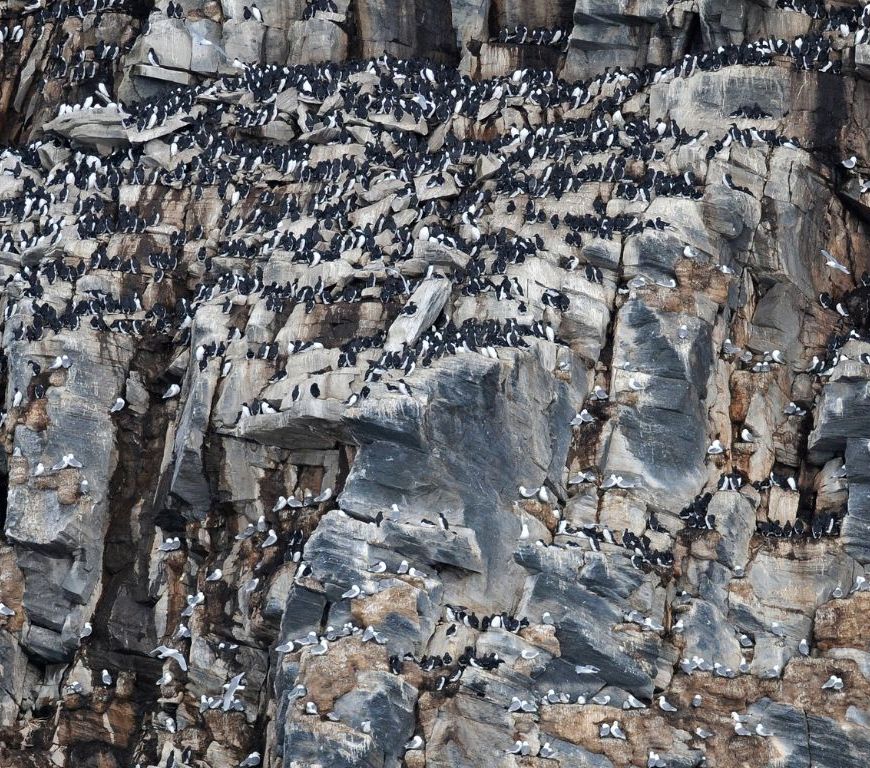
Feature photo: The Hornøya cliffs with nesting seabirds, including Kittiwakes, Common Guillemots and possibly Razorbills © Biotope In their latest research, Sam Hodges and colleagues present a novel solution that may help guide ecosystem management practices by predicting the effects of climate change and yearly variation in sea surface temperature on foraging seabird hotspots in the Barents Sea. Seabirds have historically been shown to be … Continue reading The threat to seabirds and the Barents Sea

Habitat selection modelling reveals sea turtles use protected areas in greater proportion to their availability

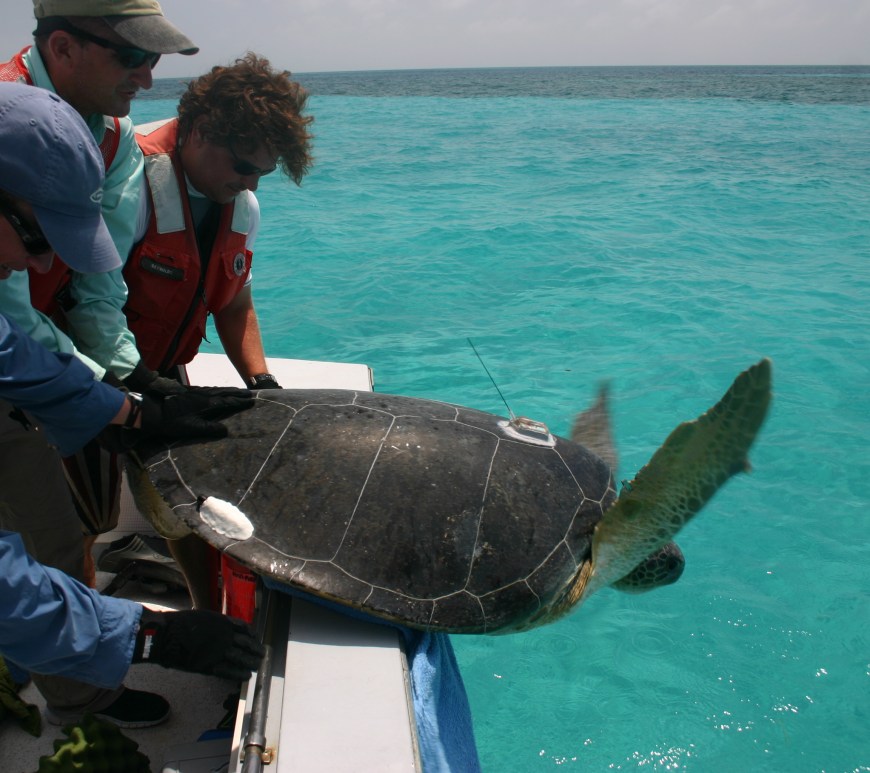
Marine Protected Areas (MPAs) are designated regions to help conserve wildlife but how are they used by the species they protect? In their latest research, Kelsey Roberts and colleagues evaluate the use of these protected areas by sea turtles to help inform better design and management of MPAs. Scientists agree that area-based conservation efforts are key to preserving biodiversity and ecosystems, as well as ocean-based … Continue reading Habitat selection modelling reveals sea turtles use protected areas in greater proportion to their availability

Wildlife conservation modelling and Payment for Ecosystem Services schemes

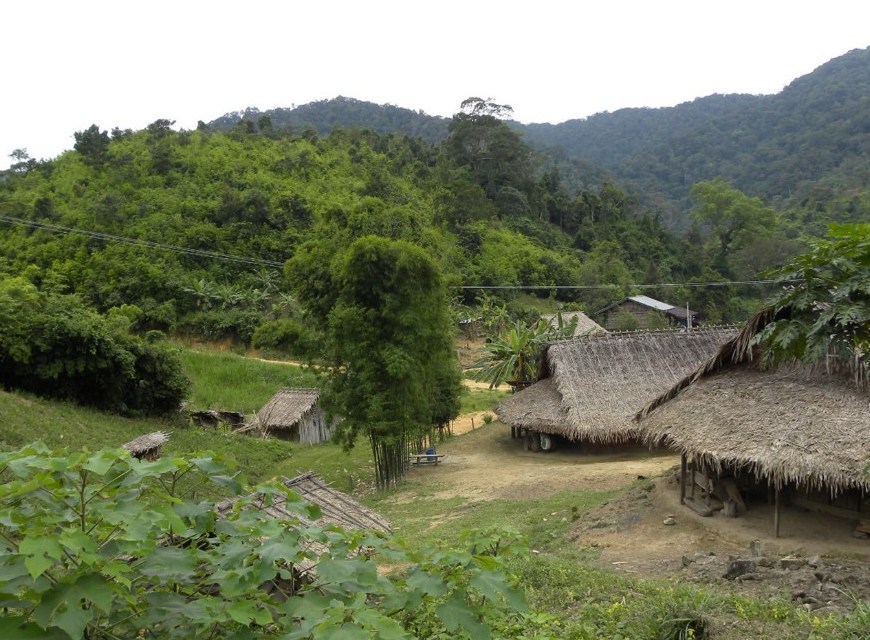
Payments for Ecosystem Services (PES) schemes are a way of bringing potential ‘buyers’ and ‘sellers’ of ecosystem services together for a mutually beneficial exchange. In their recently published work, Kragt and colleagues present an ecological model in the Lao People’s Democratic Republic that predicts how community-based patrolling can protect critically endangered species from poaching. Here they show how this model could benefit PES schemes. Laos … Continue reading Wildlife conservation modelling and Payment for Ecosystem Services schemes

BES journal blogs round up: February 2019

February was another busy month across the British Ecological Society blogs. We’ve seen the launch of Special Features on ecological succession and advances in modelling demographic processes, as well as a cross-journal series on rewilding, a look at the physics behind predator and prey size ratios and an exploration of how climate change is affecting penguin interactions. Read on for more highlights. Functional Ecologists – … Continue reading BES journal blogs round up: February 2019

Jaguar habitat use outside protected areas in Central America: accounting for the detection process generates new insights

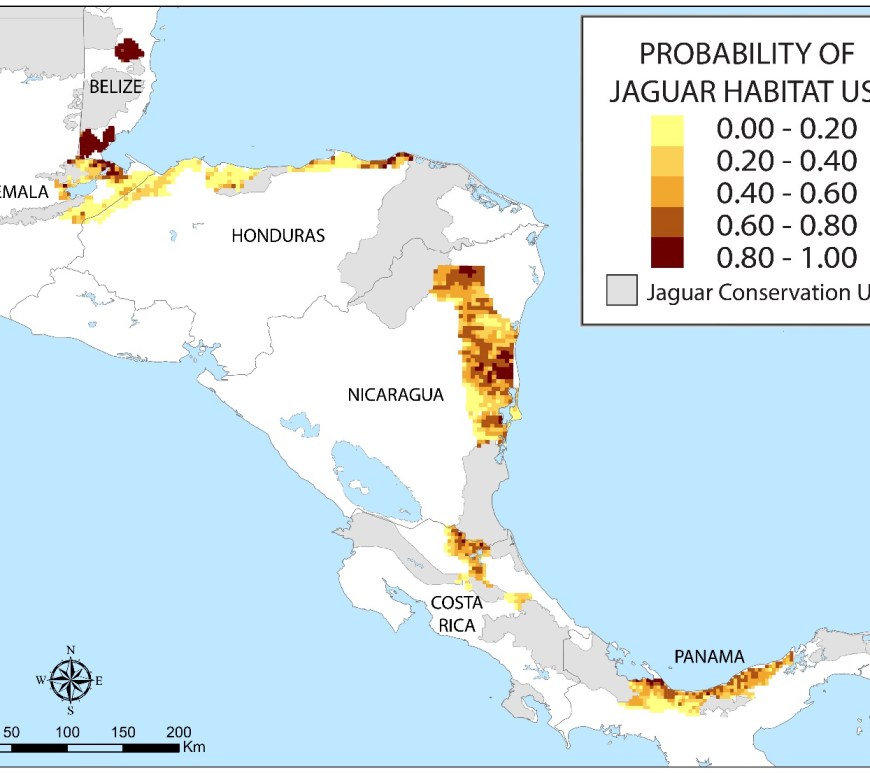
We’re turning our attention to wide-ranging animals, specifically jaguars of Central America. Lisanne Petracca discusses her recent article, Robust inference on large-scale species habitat use with interview data: The status of jaguars outside protected areas in Central America. The team also share video summaries of their work in English and Spanish.  For wide-ranging animals such as our focal species, the jaguar (Panthera onca), it is … Continue reading Jaguar habitat use outside protected areas in Central America: accounting for the detection process generates new insights

Video: Population density – a new method using remote cameras and radio collars

In this latest post, Jesse Whittington shares insights into new models for monitoring wildlife, including grizzly bears. Don’t forget to watch the video of some bears captured on camera! Whittington and colleagues’ Open Access article, Generalized spatial mark–resight models with an application to grizzly bears is available in the Journal of Applied Ecology. Wildlife managers around the world strive to estimate population abundance and the related … Continue reading Video: Population density – a new method using remote cameras and radio collars