Sentinel wildlife: GPS-tracking of scavengers to inform compliance with regulations on carcass disposal

Patricia Mateo Tomás talks us through her and colleagues’ new study which aims to assess how remotely tracking wildlife can contribute to the better monitoring of environmental laws. Through experimentally tracking wolves and vultures via GPS, researchers were able to locate a total of 489 livestock carcasses across Spain and Portugal. Continue reading Sentinel wildlife: GPS-tracking of scavengers to inform compliance with regulations on carcass disposal

New Associate Editors 2023: Ecological Solutions and Evidence

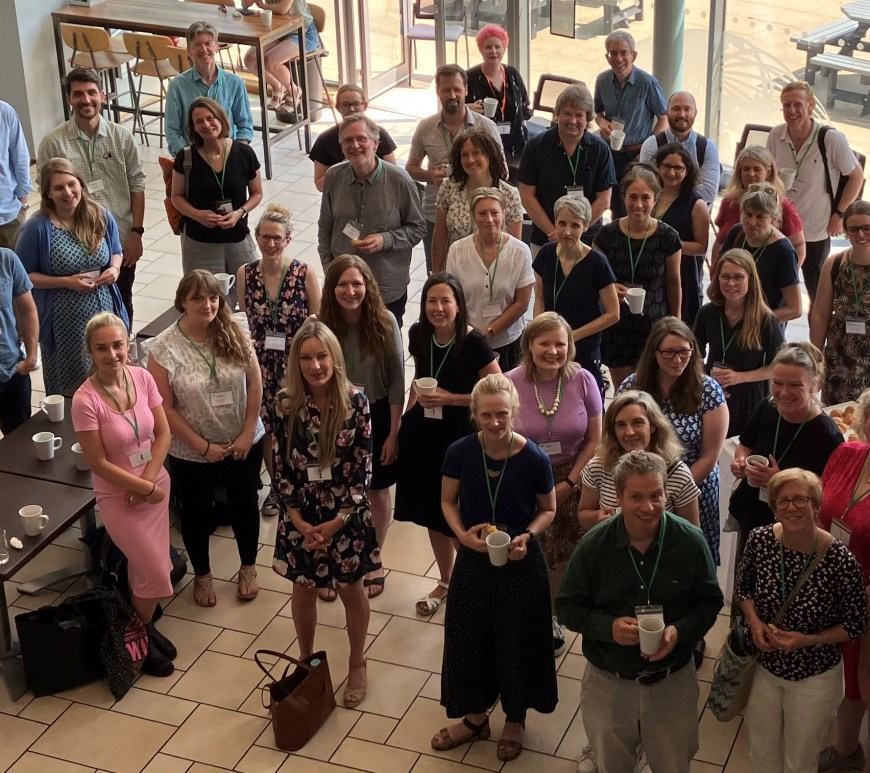
Ecological Solutions and Evidence is delighted to announce 27 new Associate Editors who have joined the Editorial Board following our latest open call across all seven BES journals. At the end of 2022, the British Ecological Society journals conducted an open recruitment process for Associate Editors across all seven BES journals. This was the third time such a process has been conducted as we continue … Continue reading New Associate Editors 2023: Ecological Solutions and Evidence

Badger social structure maintained despite selective culling

In their new study, Allen et al. present a case study in Northern Ireland (NI) showing how selective culling can be less disruptive to badger social structures than indiscriminate culling. This method could be an effective and more socially acceptable means of controlling bovine tuberculosis (bTB) in wildlife. The SARS-CoV-2 pandemic has raised consciousness on the issue of human disturbance of ecosystems and how this … Continue reading Badger social structure maintained despite selective culling

Chico Mendes Prize 2021: early career practitioner winner announced

We’re excited to announce Alexandro Leverkus as the winner of the 2021 Chico Mendes Prize, celebrating the best Practice Insights article in the journal by an author at the start of their career. Winner: Alexandro Leverkus Research: Enabling conditions for the implementation and conservation outcomes of a private nature reserve About the study Public nature reserves are often the cornerstone of nature conservation but are … Continue reading Chico Mendes Prize 2021: early career practitioner winner announced

The importance of indirect effects of climate change adaptations on alpine and pre-alpine freshwater systems

Feature photo edited from © Martin Laurenceau In their latest Perspective, Morgane Brosse and colleagues delve into the impact of human efforts to reduce or mitigate climate change, its effects on alpine freshwater environments and the role of specific management and policy decisions in determining the nature of these impacts. In an effort to address the threat of global change, much pressure is put on … Continue reading The importance of indirect effects of climate change adaptations on alpine and pre-alpine freshwater systems

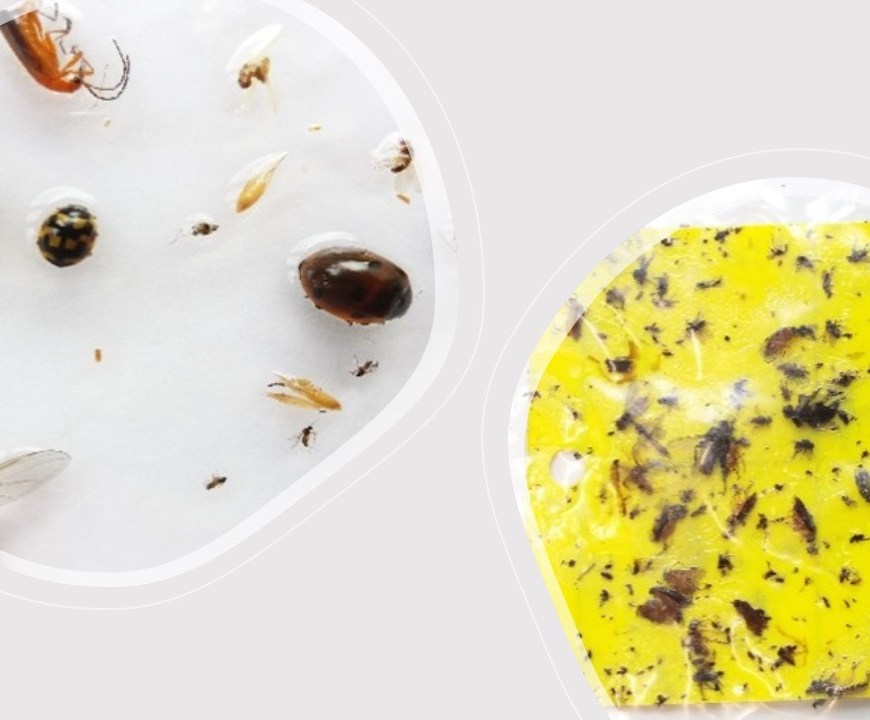
Beneficial arthropod abundance assessed by sweep-netting is negatively associated with landscape-wide insecticide use

In a new study, Bakker, Bianchi and van der Werf assess how the use of insecticides and semi-natural landscapes impact beneficial arthropods in the Netherlands. Beneficial arthropods, like predators, parasitoids and pollinators, provide important ecosystem services such as biological pest control and pollination, and are therefore vital for ecosystem health and global food production. However, concerns have risen on the widespread decline of arthropods — … Continue reading Beneficial arthropod abundance assessed by sweep-netting is negatively associated with landscape-wide insecticide use

Sundarbans in peril: interlinkages between science and society for addressing climate change

This year’s UN Climate Change Conference (COP26) will be held in Glasgow in November. In the lead up to the conference, we’re asking our editors and authors to share their research at the interface of climate and ecology. In this post, Associate Editor Punyasloke Bhadury explains why protecting ecosystems is a priority not just for nature, but for society. Sundarbans, the world’s largest continuous mangrove … Continue reading Sundarbans in peril: interlinkages between science and society for addressing climate change

ESE Editor’s Choice 1:2 – An ethical framework for using camera traps in the field

How should you react if you unintentionally capture illegal activity in photos from a wildlife camera trap? Associate Editor Dave Augeri introduces our latest Editor’s Choice article by Sharma et al. which addresses the ethics of using camera traps in wildlife research. Ethical principles are so fundamental to our work in conservation science that we often take it for granted. However, while we may naturally … Continue reading ESE Editor’s Choice 1:2 – An ethical framework for using camera traps in the field

Welcoming our new ESE Associate Editors – 2020

Following our open call for applicants over the summer, we are pleased to welcome 14 new Associate Editors to the Ecological Solutions and Evidence Editorial Board. We are delighted to further expand the expertise and diversity of our board through the open call, with ecologists joining us from 9 different countries and bringing expertise from both academic research and on-the-ground practice. You can find out … Continue reading Welcoming our new ESE Associate Editors – 2020