AI and population monitoring; does it really make a difference?

Emily A. Jordan discusses the use of AI in population monitoring and her team’s experience using it to assess the Kapitia skink. In population monitoring, using unique markings to identify individuals is a practical solution when species are challenging to tag. We can camera trap elusive snow leopards, drone-photograph whales, and happily snap our tiniest amphibians. Yet these photographic records bring a fresh challenge. Each … Continue reading AI and population monitoring; does it really make a difference?

Let’s get to know mesocarnivores: Estimating abundance with camera traps

Jamie McKaughan describes his team’s latest research testing the use of distance sampling with camera traps as a way to establish meaningful density estimates of mesocarnivores in South Africa. Frederick Forsyth’s novel, ‘The Day of the Jackal’, is a gripping political thriller that tells the story of a highly skilled assassin tasked with killing the French President. But have you ever wondered why the author … Continue reading Let’s get to know mesocarnivores: Estimating abundance with camera traps

Chronic declines and Red Listing: Are hazel dormice Endangered?

Shortlisted for the Georgina Mace Prize 2023 Ellie Scopes describe her team’s latest article re-assessing the extinction risk and conservation status of hazel dormice (Muscardinus avellanarius) using long-term monitoring data. Threats assessments and conservation priority often become entangled, despite different aims. Whilst threat assessments focus on the proximity of the species to extinction, usually with objective guidelines, conservation priority is more subjective and will involve … Continue reading Chronic declines and Red Listing: Are hazel dormice Endangered?

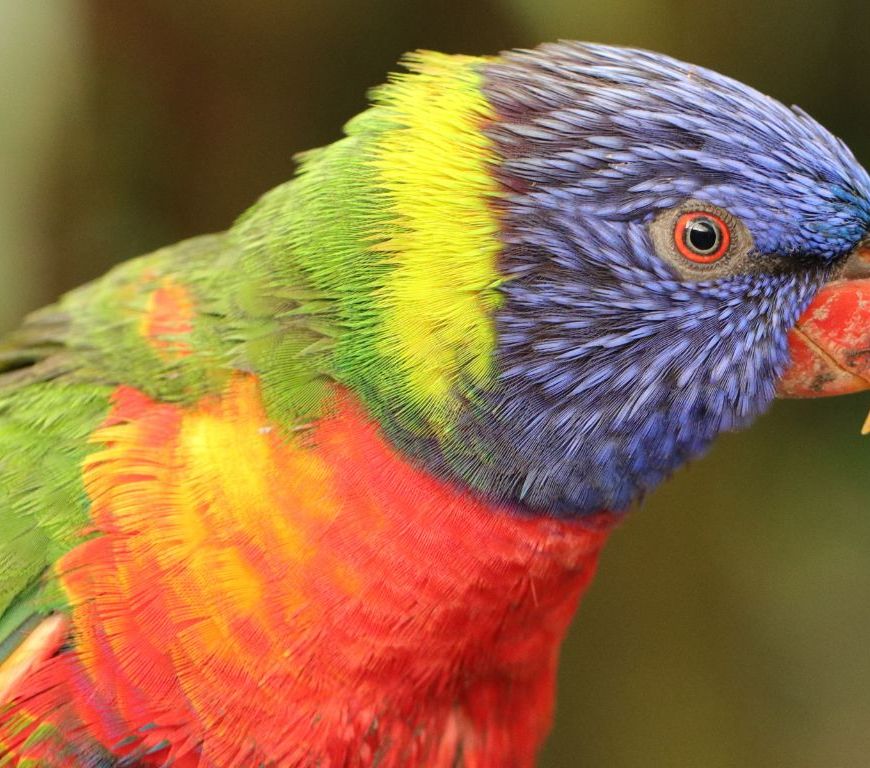
Regulation is required to mitigate the high cumulative propagule pressure exerted by escaped pet parrots

Margaret Stanley, Ellery McNaughton, Rachel Fewster and Josie Galbraith talk us through their recent research that uses reports of lost pet birds to estimate the cumulative propagule pressure that the pet trade exerts on the establishment of introduced bird species. Although concerns about the billion-dollar global pet trade industry have usually focused on issues associated with the trade of endangered species, the pet trade also … Continue reading Regulation is required to mitigate the high cumulative propagule pressure exerted by escaped pet parrots

Counting the ghosts of the mountains: sampling snow leopard populations at large spatial scales

Effective management of large carnivores requires robust monitoring at all scales. In their latest research, Manvi Sharma and colleagues describe the first systematic effort at estimating snow leopard populations at a large regional scale. The high-altitude mountains of the Himalaya are important habitats for unique flora and fauna adapted to these regions. The most charming of these species that has taken home here is the … Continue reading Counting the ghosts of the mountains: sampling snow leopard populations at large spatial scales

Bee abundance estimates vary by collection method and flowering richness

Monitoring bee populations is becoming increasingly important and commonplace, but do current methods produce reliable estimates of bee communities? Authors Marirose Kuhlman and Philip Hahn explore this question in their latest research. Wild bees are the main pollinators in nearly all terrestrial ecosystems and are essential to the reproductive cycles of many native plants, agricultural crops, and to the success of habitat restoration projects. Because … Continue reading Bee abundance estimates vary by collection method and flowering richness

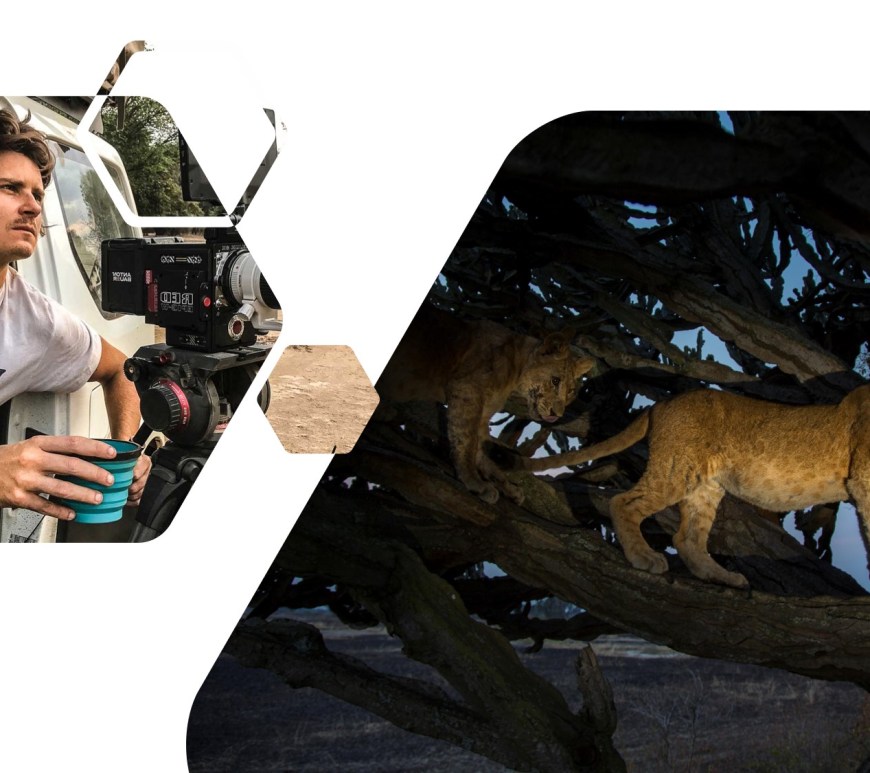
Behind the Cover 1:1 – Q&A with Alex Braczkowski

In this Q&A, we find out more about the author and research: “Detecting early warnings of pressure on an African lion (Panthera leo) population in the Queen Elizabeth Conservation Area, Uganda” behind the brilliant cover image of our inaugural issue. The research What’s your article about? Our article is about the status of African lions in western Uganda and how a recently developed population survey technique … Continue reading Behind the Cover 1:1 – Q&A with Alex Braczkowski

Can’t see the puffins for the auks? Estimating population size with imperfect species identification

In this post, Alison Johnston (@ali__johnston) talks about her paper published today “Modelling the abundance and distribution of marine birds accounting for uncertain species identification”. Ecological surveys balance the competing goals of data quality and data quantity. We can intensively survey a small area, or cover a larger area with less detail and precision, for example in large-scale citizen science surveys. Recently there has been … Continue reading Can’t see the puffins for the auks? Estimating population size with imperfect species identification