Natashi Pilon: Challenges and directions for open ecosystems biodiversity restoration: An overview of the techniques applied for Cerrado

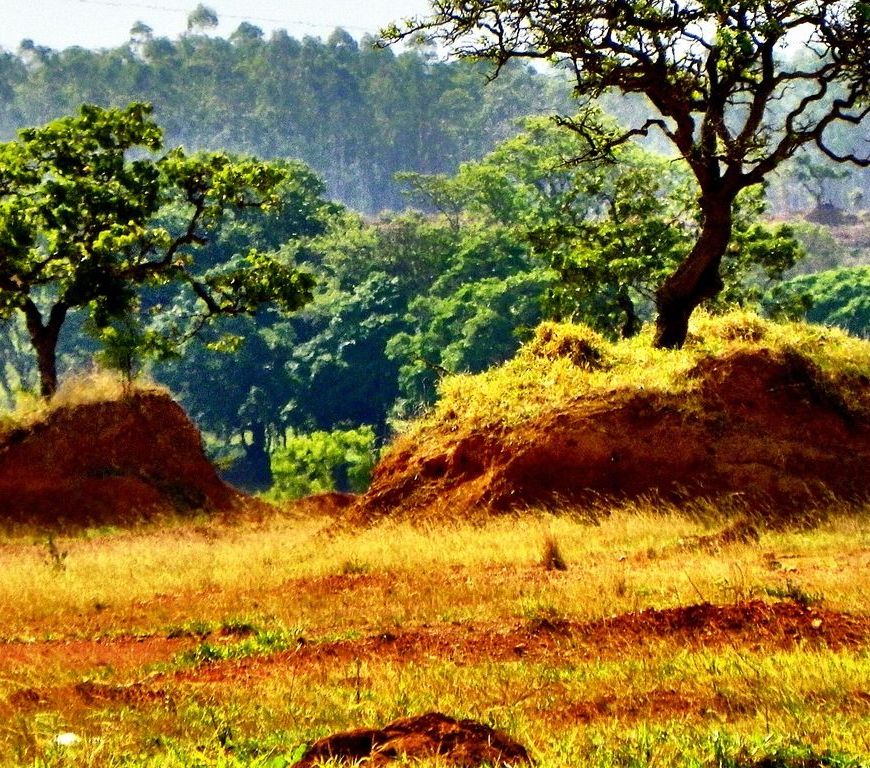
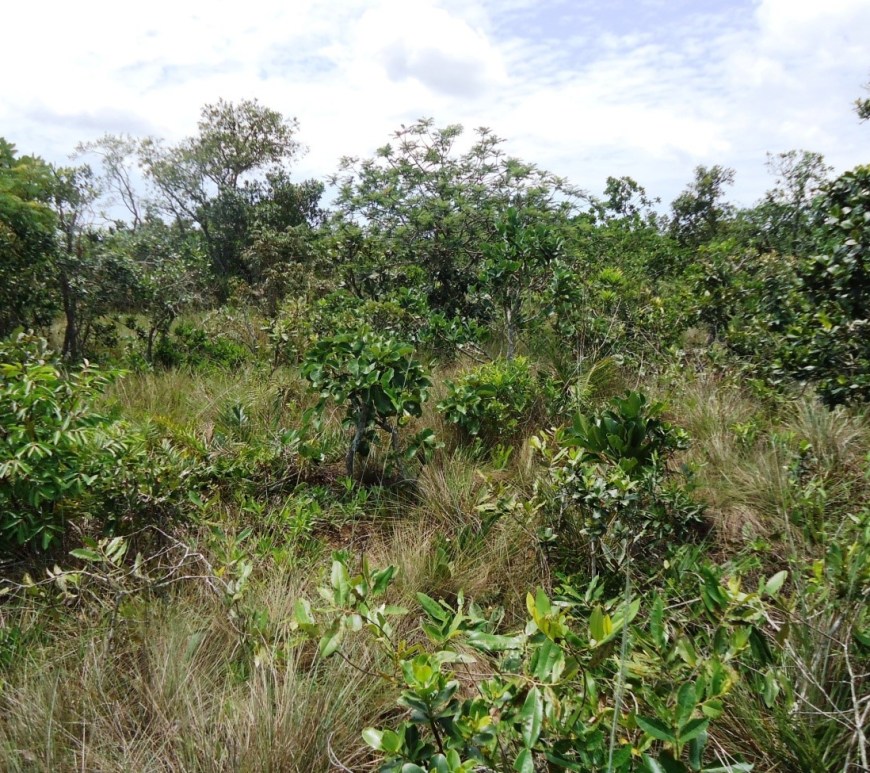
Shortlisted for the 2023 Southwood Prize In this blog post, Natashi Pilon discusses their team’s analysis of 82 data sets from the literature and primary data collection, with the aim of assessing the effectiveness of passive and active restoration techniques applied in Cerrado open ecosystems. Restoration We are in the UN Decade on Ecosystem Restoration, and the consensus is stronger than ever that conservation is … Continue reading Natashi Pilon: Challenges and directions for open ecosystems biodiversity restoration: An overview of the techniques applied for Cerrado

Climate challenges in savannas: How herbivore communities chart the course

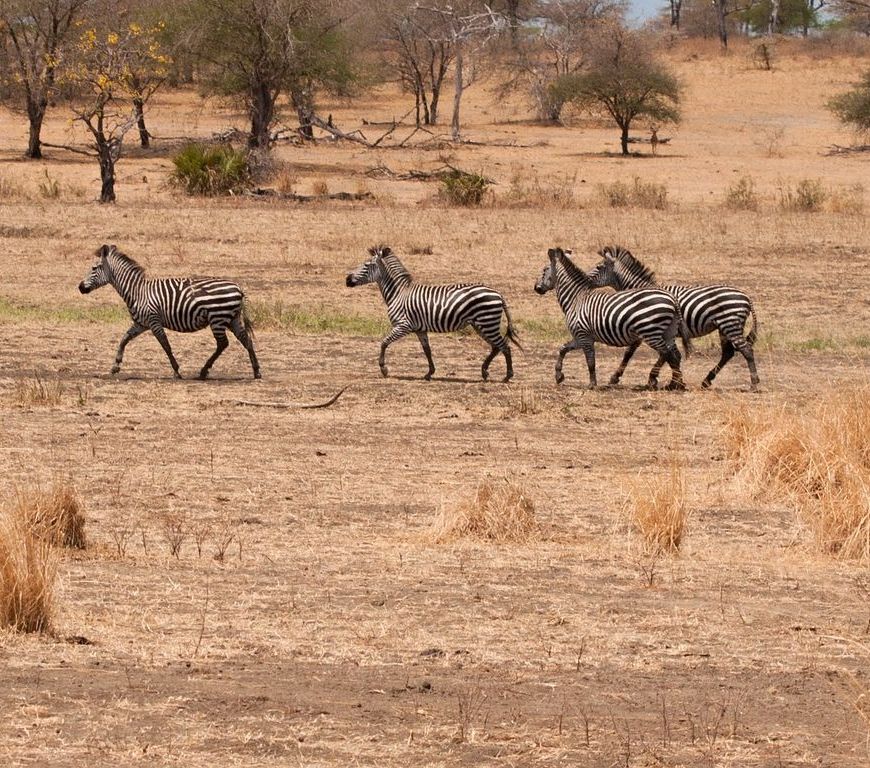
Dr. Katja Irob summarises their latest study, conducted alongside colleagues, which analysed the impacts of climate change and rangeland management on degradation in Savanna ecosystems of southern Africa. Findings suggest that, in the face of climate uncertainty, farmers’ most effective strategy for securing their livelihoods and ecosystem stability is to integrate browsers and apply management of mixed herbivore communities.  Savannas as hot spots of environmental … Continue reading Climate challenges in savannas: How herbivore communities chart the course

The response of sub-adult savanna trees to six successive annual fires in the Guinean savannas of West Africa.

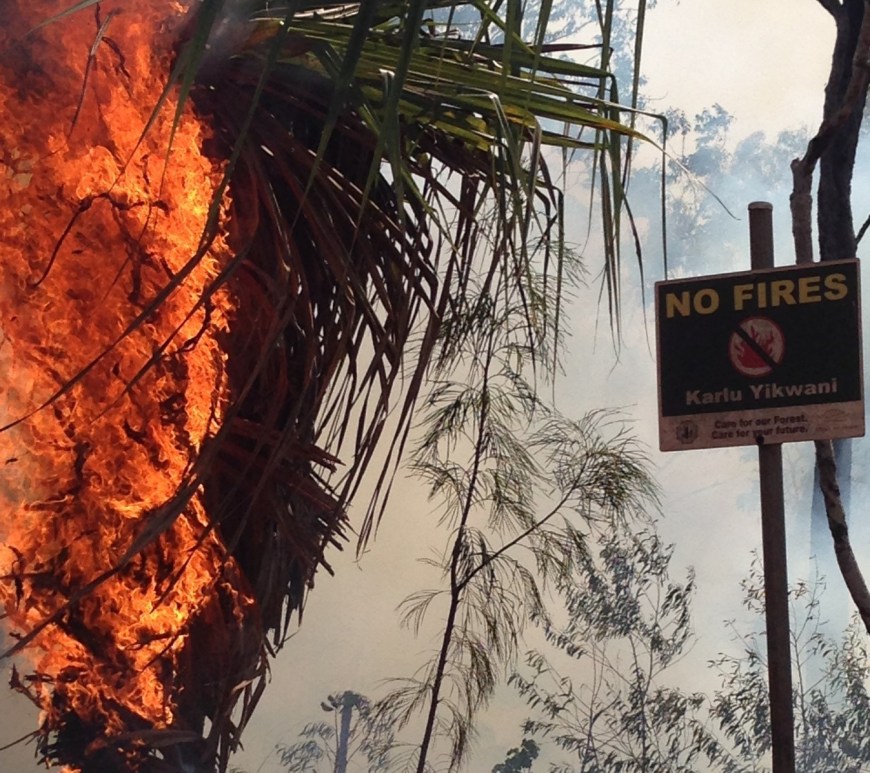
In a six year experimental field study, N’Dri and colleagues demonstrate how burning during the annual long dry season can be managed to maintain a target density of trees, with implications for use in the other humid savannas. Fires in humid savannas are set by humans for different management purposes. In the Guinean savannas of West Africa, successive annual fires are common, with stakeholders generally … Continue reading The response of sub-adult savanna trees to six successive annual fires in the Guinean savannas of West Africa.

Investigating the effects of fire management on savanna biodiversity with grid‐based spatially explicit population simulations

The development of effective fire management regimes is a global challenge. New research from Davies and colleagues aims to develop a flexible modelling approach to investigate how the spatiotemporal application of fire influences savanna biodiversity. Despite the integral role that fire plays in the functioning of ecosystems around the world, there remain few areas where the occurrence of fire has not been disrupted, in some … Continue reading Investigating the effects of fire management on savanna biodiversity with grid‐based spatially explicit population simulations

Grazers and fire management: conservation from a ‘systems’ perspective

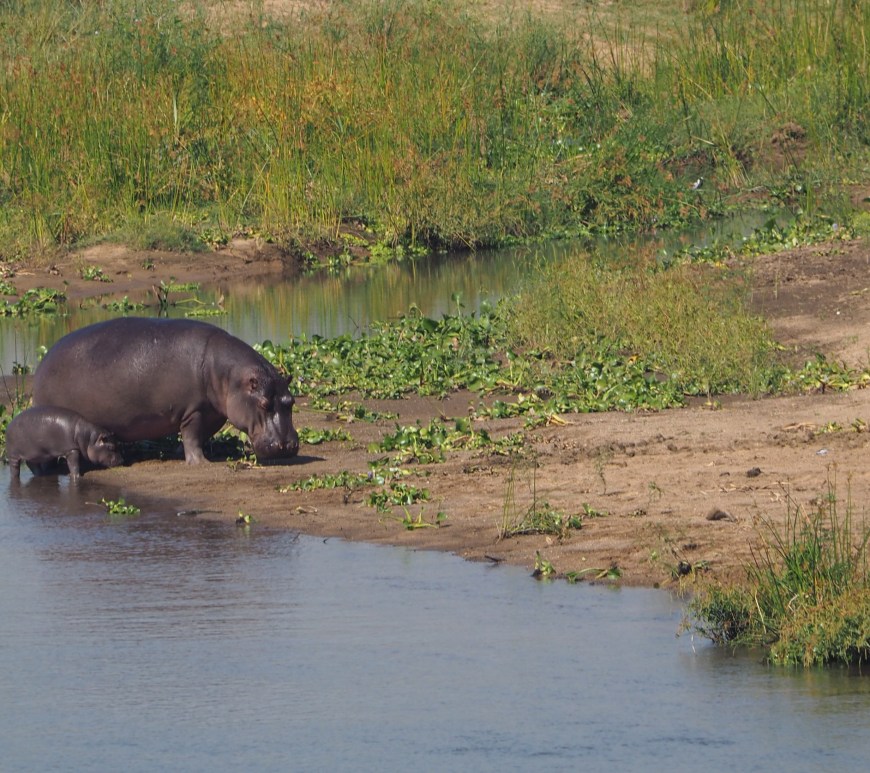
How do grazing herbivores like hippos affect the influence of fire? Following a recently published article, Izak Smit demonstrates the need for interdependence between herbivore and fire management. Grazing animals and fire are in direct competition – both of them consume grass. Previous continental-scale studies suggest that grazing animals have the competitive advantage in drier and more nutritious landscapes, whilst fires dominate in wetter and … Continue reading Grazers and fire management: conservation from a ‘systems’ perspective

First steps towards active fire management on the Brazilian Cerrado – Primeiros passos em direção ao manejo ativo de fogo no Cerrado

Moving away from zero-fire policy in the Brazilian Cerrado. Associate Editor, Rafael D. Zenni comments on the recent Policy Direction, Fire management in the Brazilian savanna: First steps and the way forward by Schmidt et al. Rafael also provided a Portuguese version  of this post. The journal welcomes blog posts and abstracts in different languages. English version The Brazilian Cerrado is recognised by many as the most … Continue reading First steps towards active fire management on the Brazilian Cerrado – Primeiros passos em direção ao manejo ativo de fogo no Cerrado

The spontaneous recovery of Neotropical savannas in abandoned pastures – A recuperação espontânea de savanas neotropicais em pastagens abandonadas

Mario Cava comments on the article, Abandoned pastures cannot spontaneously recover the attributes of old-growth savannas, published in Journal of Applied Ecology. The authors have also provided a Portuguese translation of this post. Old-growth savannas are ancient fire-prone systems, with high endemism and species diversity. The richness of these systems is mainly represented by the ground layer. In the Brazilian Cerrado, for example, for each tree … Continue reading The spontaneous recovery of Neotropical savannas in abandoned pastures – A recuperação espontânea de savanas neotropicais em pastagens abandonadas

Fighting fire with fire – using prescribed burning to protect threatened plant communities

In this post Brett Murphy discusses his recent paper with colleagues Mark Cochrane and Jeremy Russell-Smith ‘Prescribed burning protects endangered tropical heathlands of the Arnhem Plateau, northern Australia’ In many fire-prone landscapes, wildfires threaten a range of societal and ecological values, including human life and property, crops and domestic livestock, as well as biodiversity and ecosystem services. One of the most important tools humans have … Continue reading Fighting fire with fire – using prescribed burning to protect threatened plant communities