Einsatz von Rotwild zur Erhaltung ökologisch wertvollen Grasslands

Kommentare zu einem neuen Artikel von Frederike Riesch et al. Von Jana Eccard und Annabel Smith. An version of this post is available in English here. Ökologisch wertvolles Offenland ist in Mitteleuropa oft durch historisch gewachsene Landnutzungsformen entstanden. Offene und Halboffene Flächen beinhalten zahlreiche seltene, streng geschützte Lebensraumtypen und sind Rückzugsräume für viele gefährdete Arten. Durch den Verlust solcher Landnutzungsformen wird heutzutage ein aktives Management zum … Continue reading Einsatz von Rotwild zur Erhaltung ökologisch wertvollen Grasslands

Necesitamos hacer que la ecología aplicada sea realmente global para enfrentar mejor los desafíos del Antropoceno

Senior Editor, Martin Nuñez An English version is available here. Hoy abrí mi página de Facebook y encontré personas publicando noticias y comentarios sobre rinocerontes en camino a la extinción en Uganda, algunos videos muy tristes de plantaciones de palma aceitera que ponen en peligro a los orangutanes en Indonesia y fotos de algunas plantaciones increíblemente grandes de árboles en Pakistán. ¿Qué tienen estos tres … Continue reading Necesitamos hacer que la ecología aplicada sea realmente global para enfrentar mejor los desafíos del Antropoceno

Nuevas estrategias para reducir la introducción de enfermedades forestales exóticas al Reino Unido

Vasthi Alonso Chavez and Brendan Costelloe on Variability in commercial demand for tree saplings affects the probability of introducing exotic forest diseases. English version available here. La industria viverista del Reino Unido genera ingresos económicos sustanciales a través del movimiento y comercialización de árboles a gran escala. Sin embargo, esta comercialización puede ser un vehículo para la introducción de plagas y enfermedades forestales. La importación de … Continue reading Nuevas estrategias para reducir la introducción de enfermedades forestales exóticas al Reino Unido

Mejor muchos pequeños que pocos grandes: sobre como la configuración del paisaje afecta las comunidades de artrópodos en agro-ecosistemas de arroz

Associate Editor, Juan Corley on Dominik et al.’s research, Landscape composition, configuration, and trophic interactions shape arthropod communities in rice agroecosystems. English version available here. Para muchos de nosotros habitantes de ciudades, el arroz están muy presente en nuestra cocina habitual, desde el Sushi hasta la Paella. No obstante, quizás sea de mayor significación es el hecho de que el arroz sea el cereal más … Continue reading Mejor muchos pequeños que pocos grandes: sobre como la configuración del paisaje afecta las comunidades de artrópodos en agro-ecosistemas de arroz

The spontaneous recovery of Neotropical savannas in abandoned pastures – A recuperação espontânea de savanas neotropicais em pastagens abandonadas

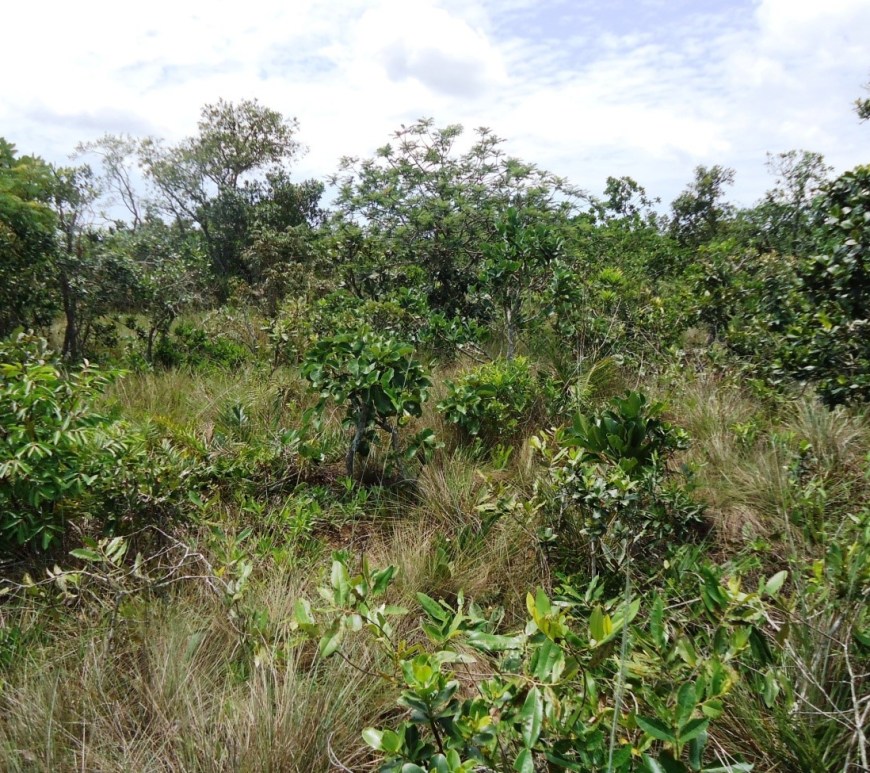
Mario Cava comments on the article, Abandoned pastures cannot spontaneously recover the attributes of old-growth savannas, published in Journal of Applied Ecology. The authors have also provided a Portuguese translation of this post. Old-growth savannas are ancient fire-prone systems, with high endemism and species diversity. The richness of these systems is mainly represented by the ground layer. In the Brazilian Cerrado, for example, for each tree … Continue reading The spontaneous recovery of Neotropical savannas in abandoned pastures – A recuperação espontânea de savanas neotropicais em pastagens abandonadas

Diversity robustly suppresses weeds in intensive grassland systems – with multiple translations

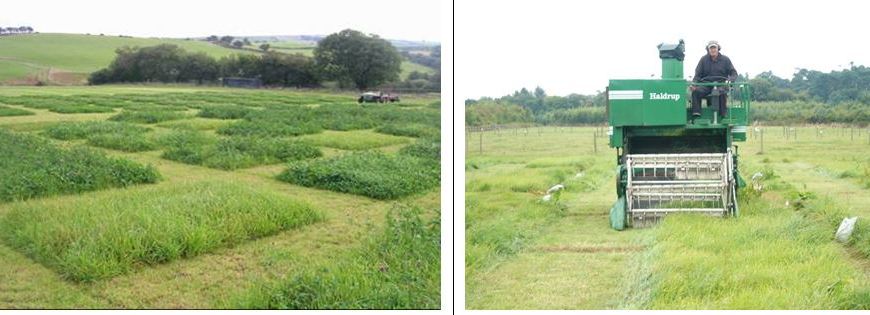
John Connolly and team comment on their recent article, Weed suppression greatly increased by plant diversity in intensively managed grasslands: a continental-scale experiment. As well as this English summary, the team have provided a number of translations. Read the text in German, Dutch, Spanish, French, Icelandic, Italian, Lithuanian, Norwegian, Catalan or Polish here . How can we get more from less use of natural resources in … Continue reading Diversity robustly suppresses weeds in intensive grassland systems – with multiple translations