No change in burning of peatland in Eastern Scotland’s moorlands

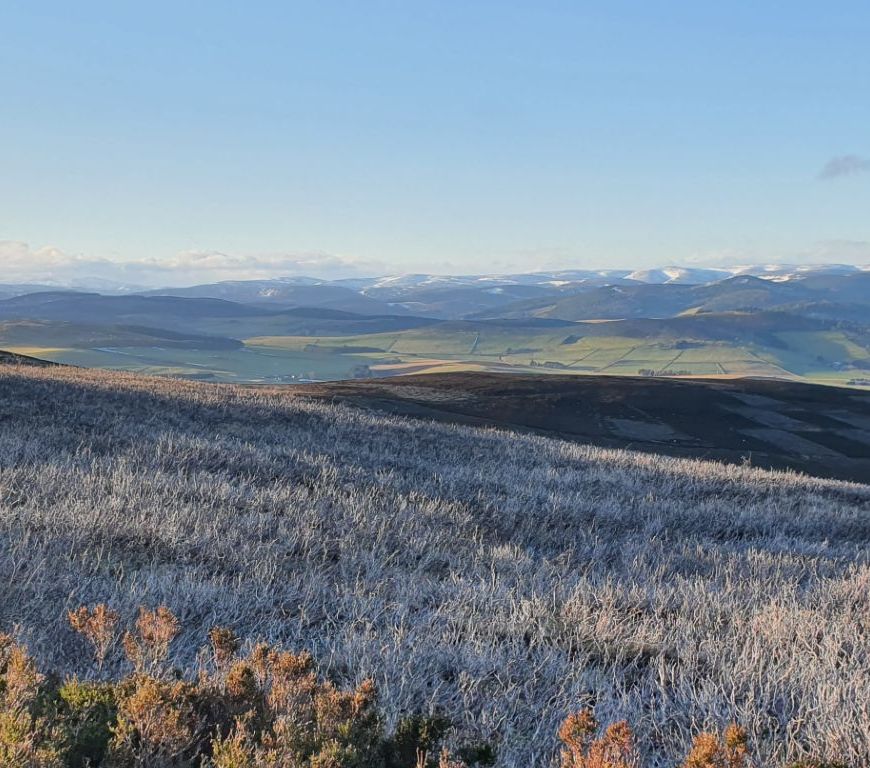
Author Benedict Spracklen used satellite imagery to better understand the impact of prescribed burning of moorland on ecosystem services. Prescribed burning has long played a role in the management of moorland, both in Scotland and across the UK. In Eastern Scotland, moorland burning (muirburn) is carried out to remove old vegetation and encourage new growth, in the belief this will help red grouse, which are … Continue reading No change in burning of peatland in Eastern Scotland’s moorlands

Working hard or hardly working? Modelling success of current grassland agri-environment schemes

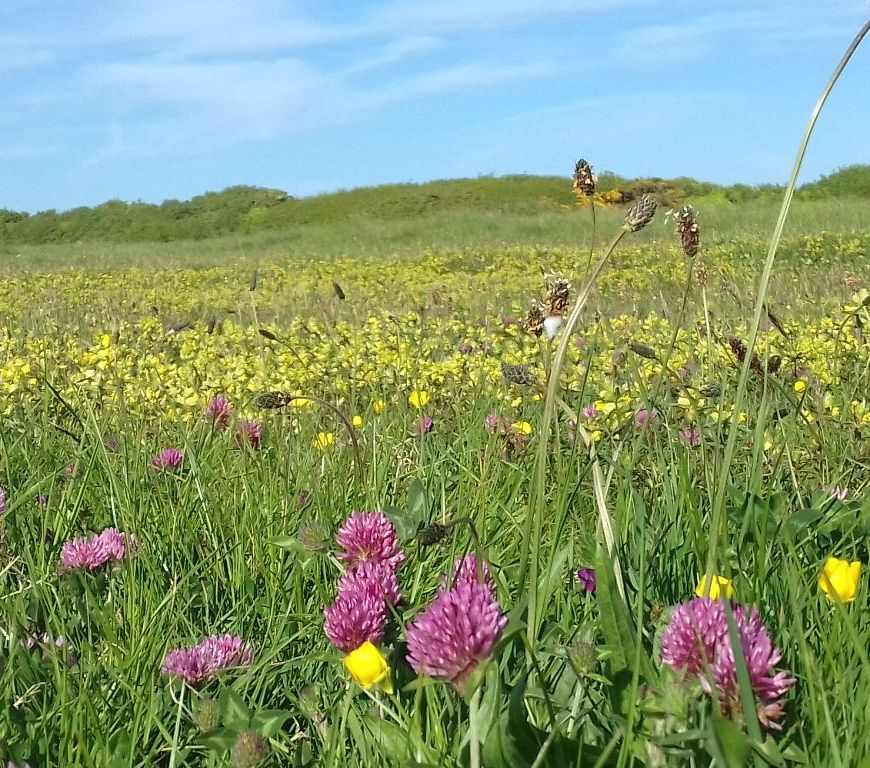
Shortlisted for the Georgina Mace Prize 2023 In this blog post, author Bede West describe his team’s study analysing the potential for agri-environment schemes to achieve positive changes in plant biodiversity. Plants and soils are the trophic foundations of most temperate terrestrial ecosystems but they are being progressively impacted by climate change, biodiversity loss and a plethora of other environmental impacts. These issues must be … Continue reading Working hard or hardly working? Modelling success of current grassland agri-environment schemes

Drought in Scotland? Projections affect specialist habitats and species

Fairlie Kirkpatrick Baird from NatureScot discusses their latest research that reveals the increasing risk of extreme drought in Scotland and how that may affect key habitats and their species. One of the first things that comes to mind when people think of Scotland, alongside the beautiful mountains and the Loch Ness Monster, is the terrible weather. Scotland is famously wet, and as Highlanders we agree … Continue reading Drought in Scotland? Projections affect specialist habitats and species

More and better hedgerows

Jo Staley, Lisa Norton (UK Centre for Ecology & Hydrology) and Rob Wolton (Devon Hedge Group and Hedgelink) present their latest Perspective article calling for and providing recommendations for improving and expanding hedgerows as a valuable habitat and carbon store. Hedgerows, and having more of them, are high on the policy agenda with a target for a 10% national increase by 2050 in the recent … Continue reading More and better hedgerows

Can pasture-fed livestock farming practices improve the ecological condition of grasslands?

Innovative farmers are adopting agro-ecological approaches to producing beef which they believe are better for biodiversity and soils. Lisa Norton (UK Centre for Ecology and Hydrology) and colleagues investigated the validity of these claims by comparing their grassland to those across the wider countryside surveyed as part of the national GB Countryside Survey.  Public concerns about the environmental impacts of meat production add to the … Continue reading Can pasture-fed livestock farming practices improve the ecological condition of grasslands?

Badger social structure maintained despite selective culling

In their new study, Allen et al. present a case study in Northern Ireland (NI) showing how selective culling can be less disruptive to badger social structures than indiscriminate culling. This method could be an effective and more socially acceptable means of controlling bovine tuberculosis (bTB) in wildlife. The SARS-CoV-2 pandemic has raised consciousness on the issue of human disturbance of ecosystems and how this … Continue reading Badger social structure maintained despite selective culling

Bringing back a peatland butterfly

Author Andrew Osborne describe his team’s study exploring the ecology of a peatland-specialist butterfly to ensure their successful reintroduction following the threat of severe habitat loss and degradation. A landscape scale peatland restoration project is being undertaken on Chat Moss, Greater Manchester, UK, with conservation translocations an important component of the work. Our study was undertaken to support a species reintroduction of the large heath … Continue reading Bringing back a peatland butterfly

Prevention vs cure for nature

Using the UK as an example, Joseph W. Bull and  E.J. Milner‐Gulland join the BES Policy team and present their new model, designed to simulate prevention and cure tactics for decision makers.  The UK Government’s Environment Bill sets out a decision to legally require most new economic development projects to achieve ‘Biodiversity Net Gain’ – that is, to leave the natural environment better off than … Continue reading Prevention vs cure for nature

Editor’s Choice: 56:9 – Understanding the sensitivity of seabird populations to development pressure

As renewable energy becomes more prevalent in coastal environments, research by Julie Miller and colleagues provides important insights into the effects of anthropogenic influences on bird populations; both the risks and how these can be mitigated. Associate Editor Des Thompson and Scottish Natural Heritage ornithologist Andy Douse discuss issue 56:9‘s Editor’s Choice article. Of the globe’s birds, seabird populations are arguably among the most sensitive … Continue reading Editor’s Choice: 56:9 – Understanding the sensitivity of seabird populations to development pressure

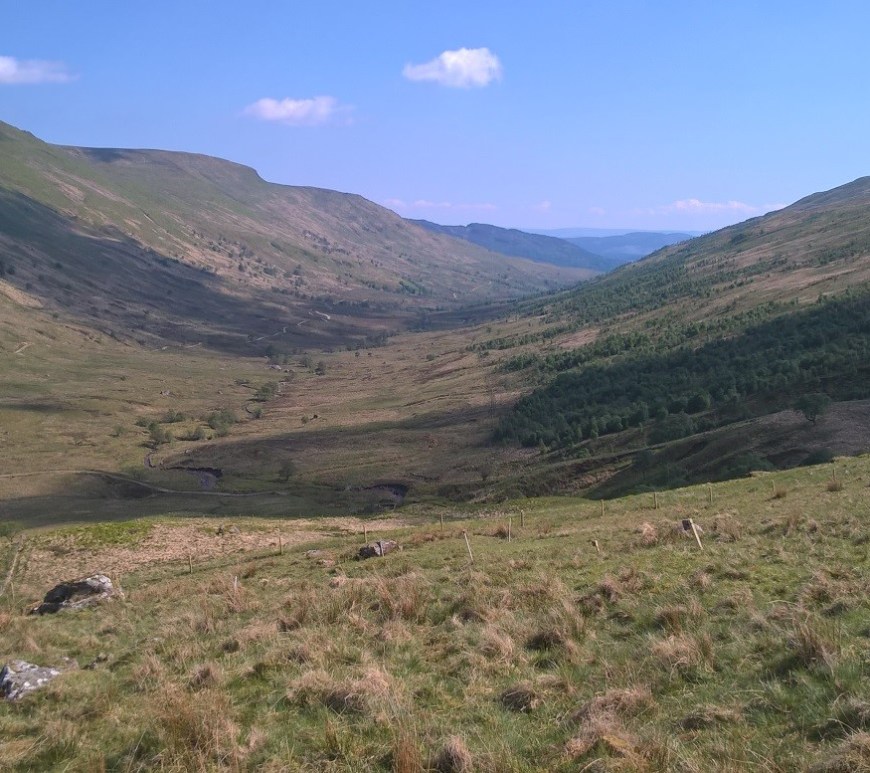
Vegetation change in the uplands is slow, slow, slow

Using results from a long-term experiment at Glen Finglas in Scotland, Robin Pakeman and colleagues show that even substantial changes in grazing management take many years to play out, so forecasting change in the uplands is difficult. Here Robin explains more about their work. We set up the Glen Finglas experiment in 2002 to look at how changes to the European Common Agricultural Policy, specifically … Continue reading Vegetation change in the uplands is slow, slow, slow