Weather forecasts can help us save migratory birds from collisions with city buildings

In their latest research article, Sara Kross, Katherine Chen, Benjamin Van Doren and colleagues utilise 5 years of bird collision counts in New York City to determine the influence of nocturnal weather conditions and bird migration traffic rates on collisions with buildings. Migration is already a particularly dangerous part of the annual life cycle of many birds, and it’s estimated that collisions with windows kills up … Continue reading Weather forecasts can help us save migratory birds from collisions with city buildings


Georgina Mace Prize 2022: Winner announced for early career researcher award

We’re excited to announce Luke Potgieter as the winner of the 2022 Georgina Mace Prize, celebrating the best article in the journal by an author at the start of their career. Winner: Luke Potgieter Research: Prioritizing sites for terrestrial invasive alien plant management in urban ecosystems About the research Rapid urbanization is placing increased pressure on natural, restored and designed ecosystems to provide services to … Continue reading Georgina Mace Prize 2022: Winner announced for early career researcher award

Luke Potgieter: Prioritizing sites to manage invasive aliens in urban ecosystems

Shortlisted for the Georgina Mace Prize 2022 In their latest research article, Luke Potgieter and colleagues developed a strategic, spatial prioritization approach for identifying sites most vulnerable to new or expanding terrestrial non-native plant invasions in urban landscapes. Cities have historically been under-studied in ecology and have not seen sufficient development of conservation and biodiversity management policy. This dearth of urban-focused applied ecology and conservation … Continue reading Luke Potgieter: Prioritizing sites to manage invasive aliens in urban ecosystems

Georgina Mace Prize 2021: early career researcher winner announced

We’re excited to announce Sara Bronwen Hunter as the winner of the 2021 Georgina Mace Prize, celebrating the best Research Article in the journal by an author at the start of their career. Winner: Sara Bronwen Hunter Research: Evidence shortfalls in the recommendations and guidance underpinning ecological mitigation for infrastructure developments About the research Infrastructure expansion is one of the most significant pressures on biodiversity … Continue reading Georgina Mace Prize 2021: early career researcher winner announced

Challenges and opportunities for evidence-based development mitigation

With increasing demand in housing and investment in infrastructure, are the guidance to protect and mitigate for biodiversity effectively implemented in practice? Hunter and colleagues evaluate the evidence supporting current development practices in their latest research. Originally posted and adapted from Conservation Evidence blog. What is ecological mitigation? In the UK, the legal protection of species means that, if an infrastructure development is set to … Continue reading Challenges and opportunities for evidence-based development mitigation

Cameron Hodges: Using radio-telemetry to better understand how a highly venomous snake lives among people

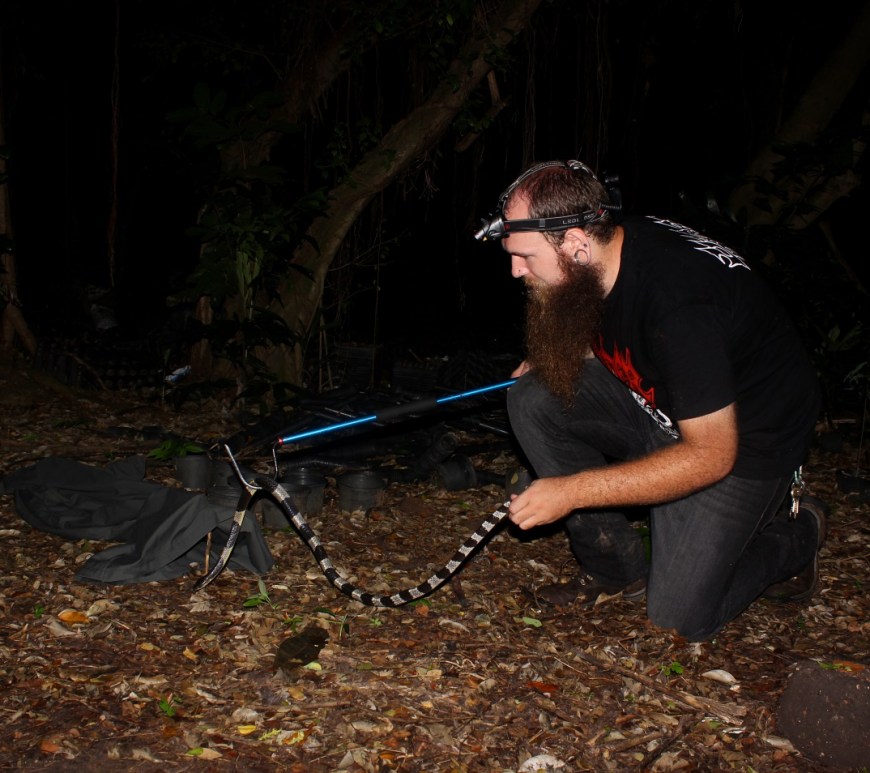
In this Q&A, we ask author Cameron Hodges about his team’s research monitoring the behaviour of a Malayan krait near a university dormitory in Thailand, and find out a little bit more about the author himself. Go to: The research | The bigger picture | About the Author The research What’s your article about? Our article provides a detailed description of the observed movements, habitat … Continue reading Cameron Hodges: Using radio-telemetry to better understand how a highly venomous snake lives among people

Age is a better indicator of biodiversity for road verges than surrounding landscape

In their recently published article, Alistair Auffret and Evelina Lindgren show how historical maps can be a useful tool to identify which road verges can best support grassland habitats. Here the authors provide a summary of their work Road verges are by now quite well known to provide valuable habitat for grassland species if they are managed appropriately (Phillips et al., 2019; Vanneste et al., … Continue reading Age is a better indicator of biodiversity for road verges than surrounding landscape

Urban wetland conservation may unintentionally benefit mosquitoes

As urban wetlands become more prevalent, Jayne Hanford and colleagues look into how other species, not just those of conservation focus, might benefit from our management efforts. What happens when those additional species could be problematic for nearby human populations? Wetlands are one of the world’s most valuable but also most threatened ecosystems. The services they provide include biodiversity conservation, flood mitigation, water purification, and … Continue reading Urban wetland conservation may unintentionally benefit mosquitoes

Conservation optimism: applied ecologists lead the way

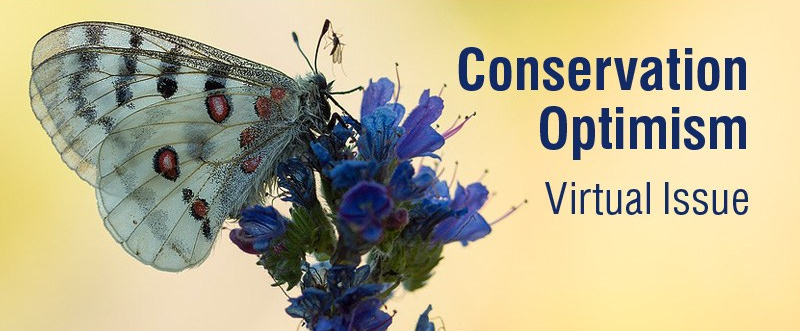
Linking to their upcoming summit in Oxford, UK, Conservation Optimism’s E.J. Milner-Gulland brings together a selection of recent research papers that celebrate conservation success and look for solutions. These are both difficult and hopeful times for applied ecologists. On the one hand, the scale and severity of the strain that our ecological systems are under is becoming more and more apparent; a look through the … Continue reading Conservation optimism: applied ecologists lead the way

Issue 55:4

From stressed trees in cities to the recovery of coral in the deep ocean, here are some highlights from our latest issue: Applying ecology to inform plant disease management policy and avoid regulator-grower conflict Our Editor’s Choice for this issue How could the EU’s LIFE funds enhance conservation in Natura 2000? Prioritisation exercises to better-distribute funds in the EU Warming, insect pests and water stress … Continue reading Issue 55:4