Shortlist announced for Chico Mendes Prize early career practitioner award

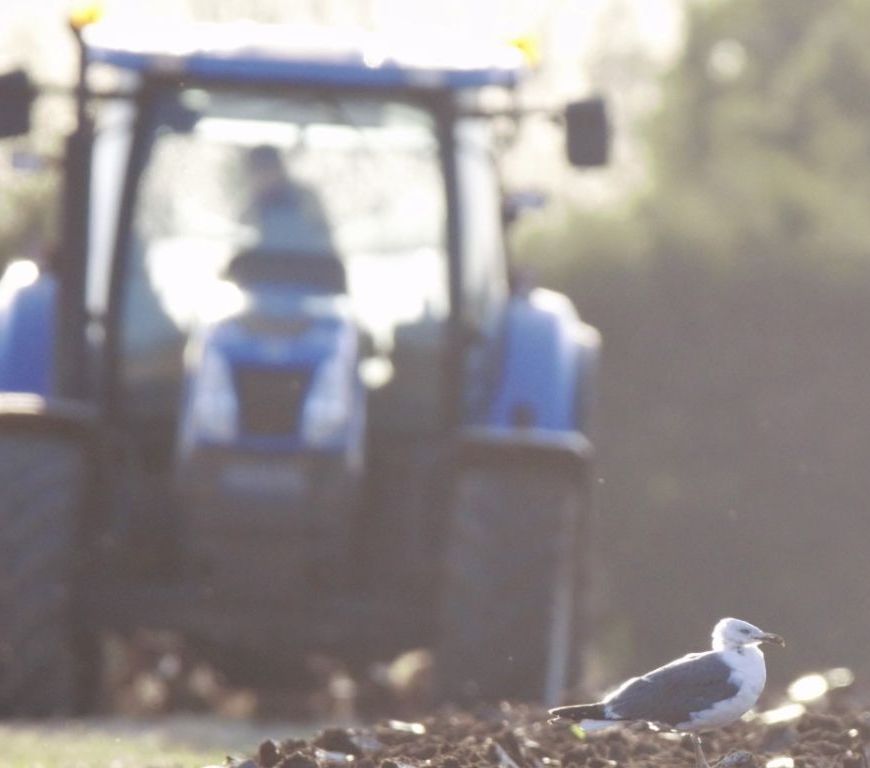
After announcing the Chico Mendes Prize at the end of 2021, we present the shortlisted articles for this year’s Chico Mendes Prize – awarded to the best Practice Insights article published by an early career practitioner – based on the first two volumes of the journal. The Chico Mendes Prize is awarded every two years to celebrate and honour the work of on-the-ground practitioners and … Continue reading Shortlist announced for Chico Mendes Prize early career practitioner award

Shortlist announced for Georgina Mace Prize early career researcher award

Each year, Ecological Solutions and Evidence awards the Georgina Mace Prize to the best research article published by an early career author. Today, we present the shortlisted articles for this year’s award based on the previous volume (2nd) of the journal. Having announced the name of ESE’s early career researcher prize in December 2021, this will be the first year we award the prize in honour … Continue reading Shortlist announced for Georgina Mace Prize early career researcher award

How do you solve a problem like Molinia?

The increasing dominance of the invasive purple moor grass (Molinia caerulea) on blanket bogs is a growing threat to diversity and carbon storage. In this post, practitioners from Moors for the Future Partnership give their account of the team’s latest research attempting to reverse these effects. Reducing the domination of Molinia caerulea on blanket bogs to a more Sphagnum-rich, characteristically boggy landscape has been a … Continue reading How do you solve a problem like Molinia?

シギ・チドリ類の保全策として重要な干潟上のバイオフィルム

干潟はシギ・チドリ類にとって不可欠な採餌場であるが、気候変動や人為的影響によって深刻な影響を受けている。桑江朝比呂氏らの研究グループは、バイオフィルムに焦点を当てた干潟生態系への積極的介入によるシギ・チドリ類の回復効果について、最新の総説で探っている。A version of this post is available in English. Continue reading シギ・チドリ類の保全策として重要な干潟上のバイオフィルム

Functional Biofilm on Intertidal Flats: A New Conservation Priority for Shorebirds

Intertidal flats are essential foraging areas for shorebirds but are severely impacted by climate and anthropogenic change. In their latest review, Kuwae and colleagues explore the effects of interventions that focus on intertidal biofilm for shorebird recovery. A version of this post is available in Japanese. Why shorebird species have been plummeting in numbers worldwide remains a subject of intense speculation and mounting conservation concern. However, … Continue reading Functional Biofilm on Intertidal Flats: A New Conservation Priority for Shorebirds

How does bat box design affect box temperatures and their suitability as maternity habitats?

In this podcast, authors Joy O’Keefe and Frank Tillman are interviewed about their latest research that seeks to better understand how bat box design affect internal temperatures – a critical factor for a species that spend more than half a day at roosts. Bat boxes are becoming important tools for conservationists worldwide. In our latest study published in Ecological Solutions and Evidence, we compared the … Continue reading How does bat box design affect box temperatures and their suitability as maternity habitats?

Can artificial floods restore ecological health below the riverbed?

Kate Mathers and colleagues describe their latest research which aims to fill a much needed knowledge gap in the effects of artificial floods on subsurface habitats Naturally, river systems and their flow regimes are dynamic, reacting to changing meteorological events such as intense rainfall or annual snowmelt. This hydrological variability is vital in supporting a healthy river system because fluctuating flows regulate sediment transport (gravels … Continue reading Can artificial floods restore ecological health below the riverbed?

Temporal trends in geographic clines of salmon eggs associated with global warming and hatchery programs

Koh Hasegawa and colleagues describe their latest research examining the geographic clines in Japanese chum salmon (Oncorhynchus keta). Many animal and plant species show geographic clines which are often recognized as adaptations to the associated transitional environments. A well-known example is that the body size of bears increase in more northern regions. Even people may notice clines in their daily lives, such as people in … Continue reading Temporal trends in geographic clines of salmon eggs associated with global warming and hatchery programs

Helping practitioners to make and document conservation decisions: the Evidence-to-Decision tool

In this contribution post, Alec Christie introduces a novel tool guiding and encouraging practitioners to document and report the evidence and reasoning behind conservation decisions. The tool guide and template are permanently archived in Applied Ecology Resources. Originally posted and adapted from the Conservation Evidence blog and Conservation Land Management.. When undertaking actions to restore habitats or conserve wildlife, we often have to make difficult … Continue reading Helping practitioners to make and document conservation decisions: the Evidence-to-Decision tool

Using Indigenous and Western Science as a pathway for freshwater research across Canada

Steven Alexander and colleagues discuss their team’s latest research examining the extent to which Indigenous science and knowledge contribute to freshwater research and monitoring across Canada. There are many benefits to drawing upon diverse knowledge systems in environmental research. Such practices – referred to by various terms including bridging, weaving, or braiding – have been shown to improve our collective understanding of environmental change, expand … Continue reading Using Indigenous and Western Science as a pathway for freshwater research across Canada