Reblog: Fishing forecasts can predict marine creature movements

Originally posted by The Conversation. Heather Welch, University of California, Santa Cruz; Elliott Lee Hazen, National Oceanic and Atmospheric Administration, and Stephanie Brodie, University of California, Santa Cruz Do you check the weather forecast before getting dressed in the morning? If you do, then you’re making a decision in real time, based on dynamic processes that can vary greatly over space and time. Marine animals … Continue reading Reblog: Fishing forecasts can predict marine creature movements

Cover stories: Cheetah chase

Egil Dröge shares the high-energy story behind issue 55:6’s cover photo. See more of how the day unfolded in this gallery. I followed this female cheetah that day on her hunt. She would frequently use the small termite mounts to take the advantage of the elevation to scan the tall grass for prey. At some point, while she was walking through the tall grass, she … Continue reading Cover stories: Cheetah chase

Editor’s Choice 55:6 -Disentangling natural vs anthropogenic influences on predation: reducing impacts on sensitive prey

The Editor’s Choice article for issue 55:6 is Broad‐scale occurrence of a subsidized avian predator: Reducing impacts of ravens on sage‐grouse and other sensitive prey by O’Neil et al. Associate Editor Margaret Stanley explains the importance of this paper and the disentanglement of natural and anthropogenic influences. As a researcher who often fixates on invasive predators, the tricky issues associated with natural predation, from native predators that … Continue reading Editor’s Choice 55:6 -Disentangling natural vs anthropogenic influences on predation: reducing impacts on sensitive prey

The bear necessities of grizzly bear population recovery in Alberta, Canada

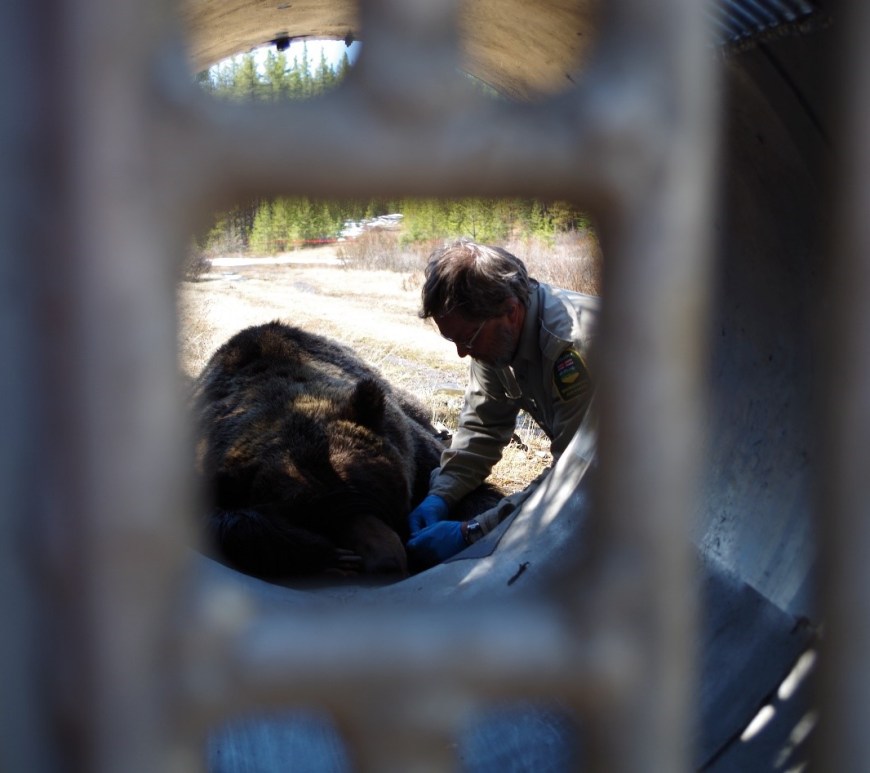
In our latest Practitioner’s Perspective, Towards grizzly bear population recovery in a modern landscape, Sean Coogan explains how new, multi-disciplinary approaches are being used to protect Canada’s threatened grizzly bears. The management and conservation of large carnivores can be socially controversial and politically charged. To make matters more complicated, the data required to make effective scientifically-informed management decisions may be lacking, or extremely difficult to … Continue reading The bear necessities of grizzly bear population recovery in Alberta, Canada

Monitoring vegetation sensitivity to landscape water balance informs land management 

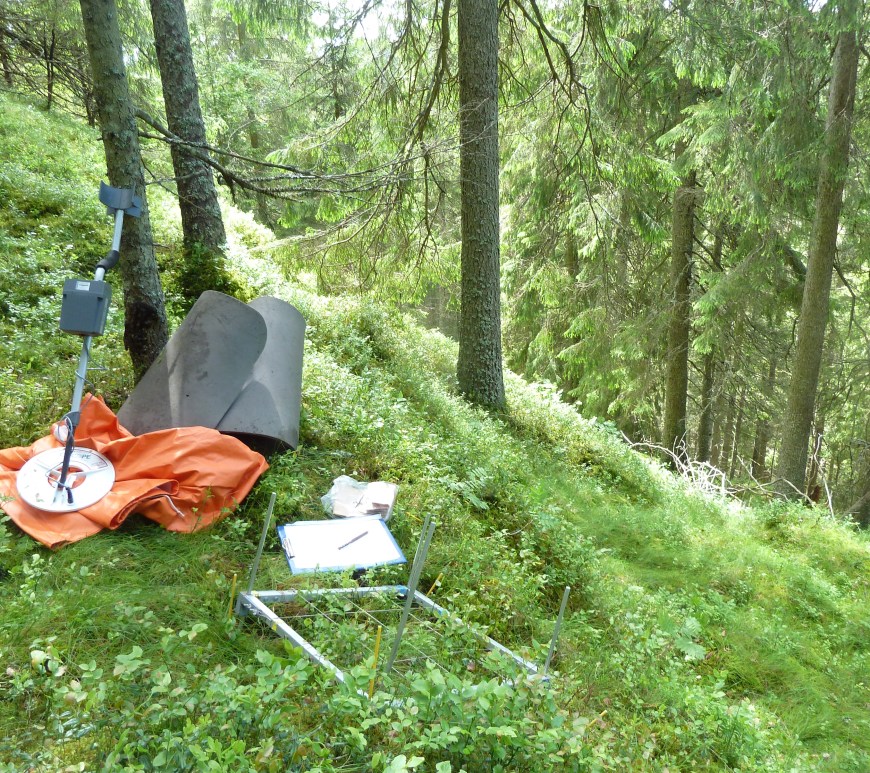
In an effort to help resource managers identify vulnerable areas and suitable restoration techniques, David Thoma and colleagues assess plant responses to wet and dry periods in some of the USA’s national parks. The full article, Landscape pivot points and responses to water balance in national parks of the southwest US, is available in Journal of Applied Ecology. The problem Knowing when, where and how … Continue reading Monitoring vegetation sensitivity to landscape water balance informs land management 

Managing sites with ash dieback to conserve functional traits

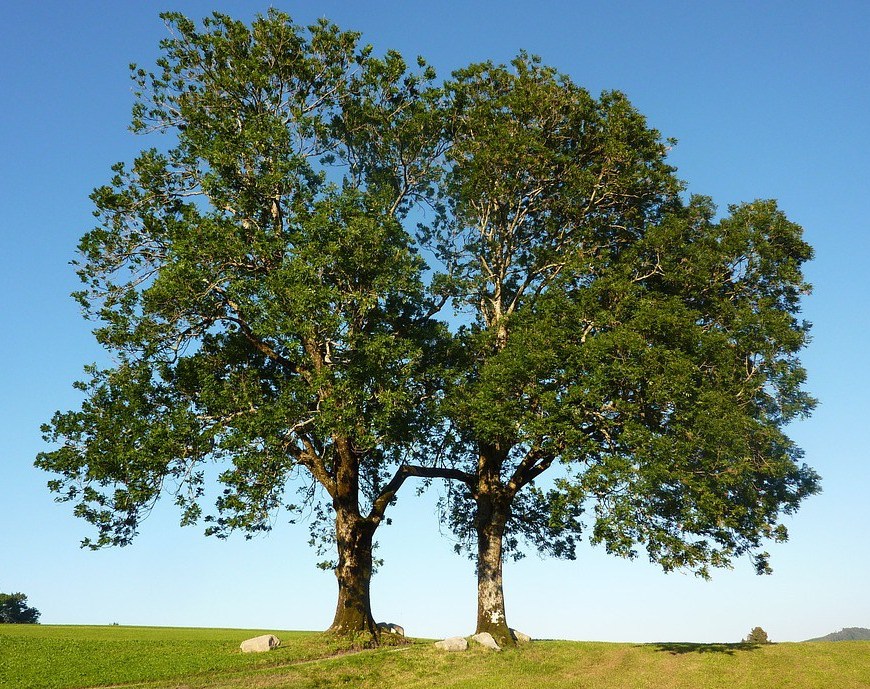
Adopting a technique generally used in the social sciences but rarely in ecology, Louise Hill (University of Oxford) et al. provide a new summary for land managers looking to predict and manage the effects of ash dieback. Their work was recently published in Journal of Applied Ecology: Maintaining ecosystem properties after loss of ash in Great Britain. Ash dieback, an invasive disease of ash trees, is … Continue reading Managing sites with ash dieback to conserve functional traits

Necesitamos hacer que la ecología aplicada sea realmente global para enfrentar mejor los desafíos del Antropoceno

Senior Editor, Martin Nuñez An English version is available here. Hoy abrí mi página de Facebook y encontré personas publicando noticias y comentarios sobre rinocerontes en camino a la extinción en Uganda, algunos videos muy tristes de plantaciones de palma aceitera que ponen en peligro a los orangutanes en Indonesia y fotos de algunas plantaciones increíblemente grandes de árboles en Pakistán. ¿Qué tienen estos tres … Continue reading Necesitamos hacer que la ecología aplicada sea realmente global para enfrentar mejor los desafíos del Antropoceno

We need to make applied ecology truly global to better face the challenges of the Anthropocene

Kicking off Peer Review Week 2018, Senior Editor Martin Nuñez reflects on geographical diversity in our own journals, where it’s been limited and what we’re doing to change that. How can we make ecology truly global? Update (Jan. 2019): you can now read our full Editorial on this topic for free in issue 56:1 of the journal. A Spanish version of this post is available … Continue reading We need to make applied ecology truly global to better face the challenges of the Anthropocene

A new method for predicting time to recovery during restoration

Associate Editor, Lars Brudvig looks at the recently published Review, Advancing restoration ecology: A new approach to predict time to recovery by Rydgren et al. Restoring degraded ecosystems is a global priority, hailed for its potential to recover biodiversity and promote ecosystem functioning and services. Yet successful restoration doesn’t happen overnight. It may take years, decades, or longer for restoration projects to meet their goals … Continue reading A new method for predicting time to recovery during restoration

Issue 55:5

Read the highlights from our September issue. Value of information: when to learn and when to manage in conservation This issue’s Editor’s Choice article Better many small than a few large: how landscape configuration affects arthropod communities in rice Can splitting agricultural ecosystems help reduce yield losses for rice farmers? Mejor muchos pequeños que pocos grandes: sobre como la configuración del paisaje afecta las comunidades … Continue reading Issue 55:5