Spatiotemporal isolation of oilseed rape fields reduces insect pest pressure and crop damage

This blog post is also available in Swedish here. Fabian Boetzl talks us through his and his colleagues’ new research on landscape-based strategies to reduce insect pest pressure and crop damage. The problem Systemic neonicotinoid insecticides are detrimental to a wide range of beneficial biodiversity, with wild bees as the most prominent example. Due to these observed negative side-effects, systemic neonicotinoid insecticides have been banned … Continue reading Spatiotemporal isolation of oilseed rape fields reduces insect pest pressure and crop damage

Beste managementpraktijken om opbrengstverlies door ganzen te verminderen

Monique de Jager bespreekt recent onderzoek met collega’s dat probeert te begrijpen wat de meest kosteneffectieve manier is om gewasverlies als gevolg van grazende ganzen te verminderen. Na het uitvoeren van een model met verschillende begrazings- en schrikscenario’s, bleek dat de beste beheeroptie is om ganzen te laten grazen. Continue reading Beste managementpraktijken om opbrengstverlies door ganzen te verminderen

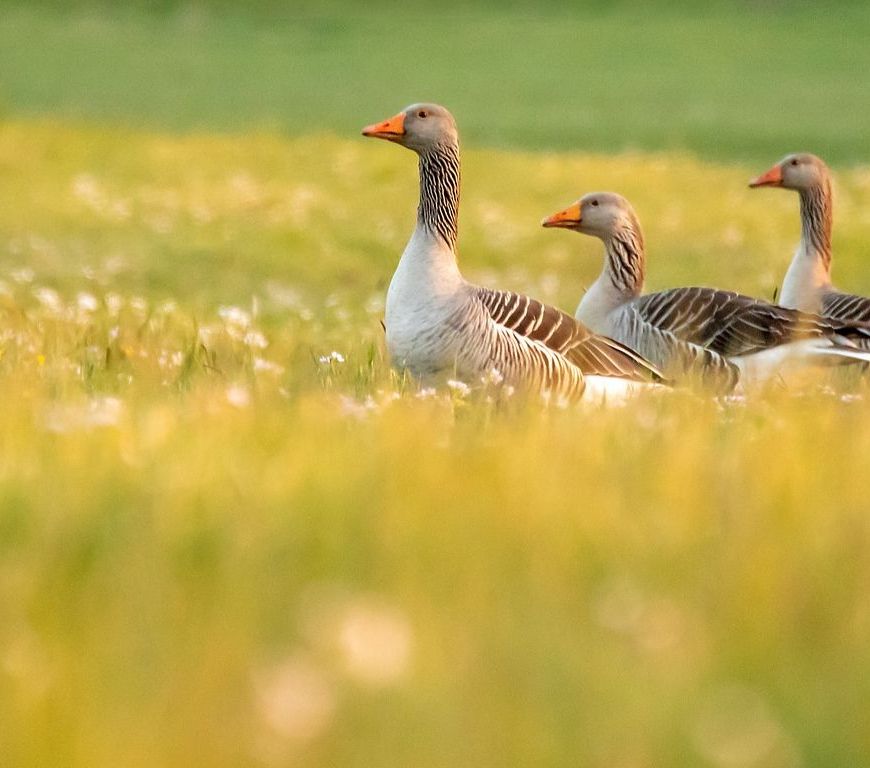
Best management practices to decrease goose-related yield loss

This blog post is also available in Dutch here. Monique de Jager discusses recent research with colleagues that seeks to understand the most cost-effective way of decreasing crop loss as a result of grazing geese. After running a model with several different grazing and scaring scenarios, it was found that the best management option is to leave geese to graze. Introduction The rebound of the … Continue reading Best management practices to decrease goose-related yield loss

Umo  kumala kwankholongo kukhwaskira mabutterfly muvigawa vya mu AFrica – Kasi walimi wachokowachoko wangaovwira kuwezgera, kupwerelera mabutterfly

Cassandra Vogel na Vera Mayer, wafumiska kafuku-fuku wawo mwasonosono wakulongola kuchepa kwa malo yakukhalamo wabulawula mu Malawi. Wakughanaghana vyakusambizga walimi wachoko-wachoko kuti wasazgileko kulima mbewu za mitundu yinandi izo zikufumiska maluwa.Kweniso kuwoneskeska kuti wachitenge,panyakhe walimenge nthowa izo zikuwezgelengemo nyata mudongo. Continue reading Umo  kumala kwankholongo kukhwaskira mabutterfly muvigawa vya mu AFrica – Kasi walimi wachokowachoko wangaovwira kuwezgera, kupwerelera mabutterfly

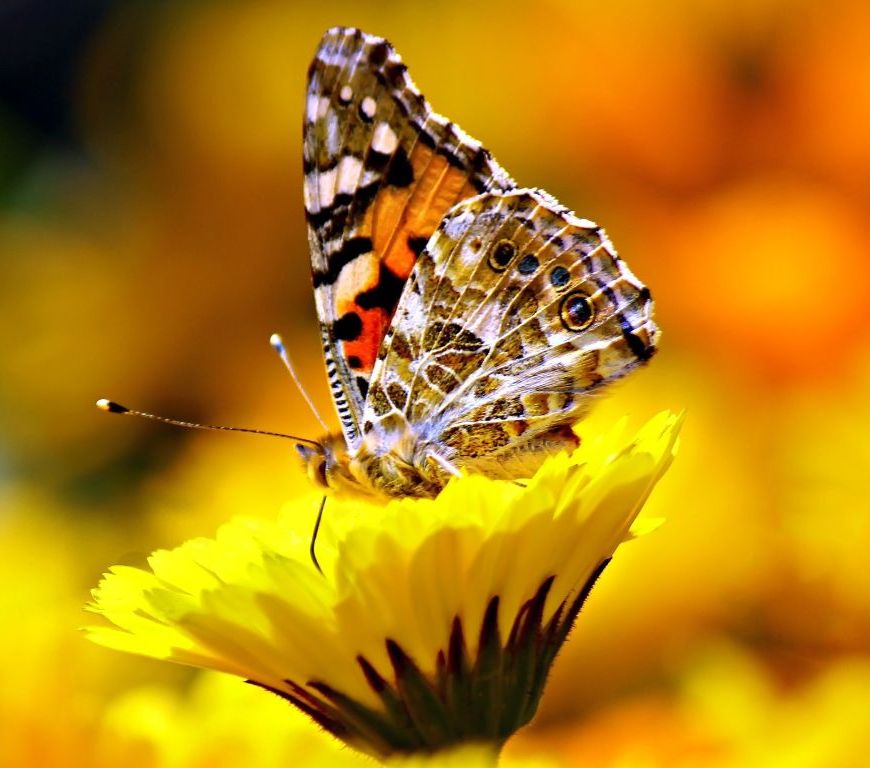
Woodland loss impacts butterfly communities in Africa – can smallholder farmers help conserve them?

Cassandra Vogel and Vera Mayer present their latest research into the effects of habitat loss on butterflies in Malawi, suggesting that encouraging smallholders to increase the diversity of flowering crops and implement sustainable soil practices is needed. Continue reading Woodland loss impacts butterfly communities in Africa – can smallholder farmers help conserve them?

Biodiversity in landscape mosaics: Local land use, landscape and dung beetle assemblages

Raquel Carvalho and Ellen Andresen explain new research that evaluates the impact of land use, landscape structure, and their interactions, on dung beetles, a group of insects that provides many ecosystem services. Carvalho et al demonstrated that both factors act together to shape biodiversity patterns, and that the effect of landscape structure often depends on the specific land use studied. The problem Understanding the impact … Continue reading Biodiversity in landscape mosaics: Local land use, landscape and dung beetle assemblages

Research Stories: From wildlife-savers to citizen scientists

Johanna Kauffert and co-authors take us back to one early morning of a fawn rescue in June in order to demonstrate how opportunistically sampled field data of wildlife volunteers can be used to reconstruct birth distributions. It’s early morning (or rather still in the middle of the night) when I get up to drive to the countryside with my colleagues. Before the first rays of … Continue reading Research Stories: From wildlife-savers to citizen scientists

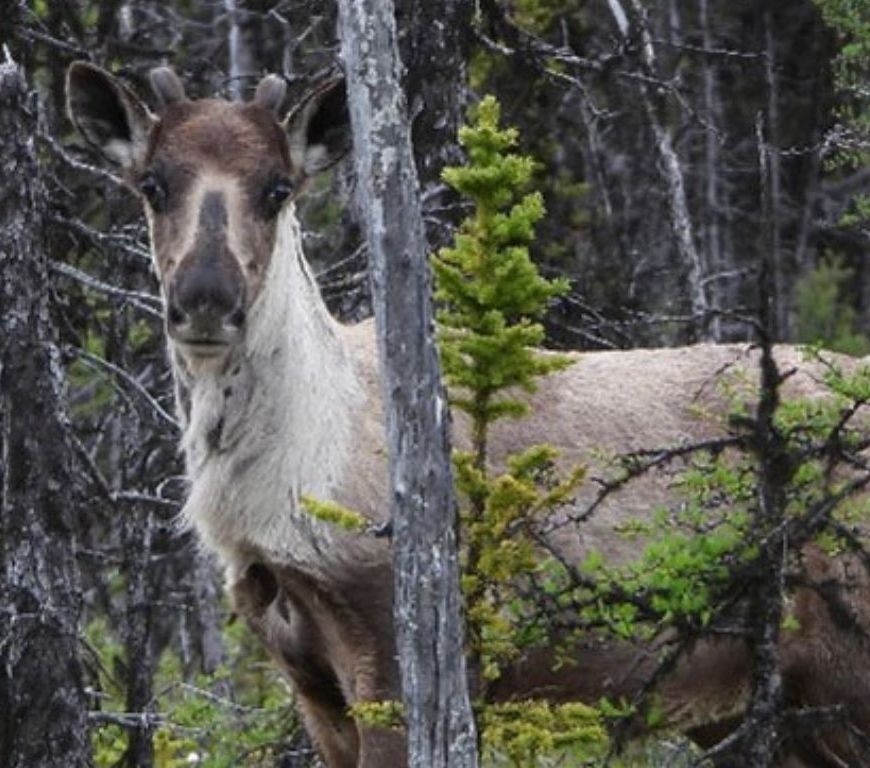
Forestry raises the predation risk to caribou – we found ways to reduce it

Tracy McKay and Laura Finnegan share their latest research investigating what affects ungulate occurrence  in forest harvest blocks in west-central Alberta, Canada. Five years ago, our research group developed an idea with forest companies to help conserve woodland caribou – Rangifer tarandus, the same species as the Eurasian reindeer – in western Canada. Summer after summer, our crews drove the mud and gravel roads spiderwebbing … Continue reading Forestry raises the predation risk to caribou – we found ways to reduce it

More and better hedgerows

Jo Staley, Lisa Norton (UK Centre for Ecology & Hydrology) and Rob Wolton (Devon Hedge Group and Hedgelink) present their latest Perspective article calling for and providing recommendations for improving and expanding hedgerows as a valuable habitat and carbon store. Hedgerows, and having more of them, are high on the policy agenda with a target for a 10% national increase by 2050 in the recent … Continue reading More and better hedgerows

Chongzhe Zhang: Leveraging functional traits of cover crops to coordinate crop productivity and soil health

Shortlisted for the Southwood Prize 2022 In this blog post, Chongzhe Zhang talks us through his and colleagues’ research involving a trait-based field experiment in which cover crops were measured to evaluate soil health, crop productivity and agricultural ecosystem sustainability. Trait-based ecology The grand challenge of feeding a growing population while preserving biodiversity and ecosystem sustainability is a daunting task for humanity. To achieve a … Continue reading Chongzhe Zhang: Leveraging functional traits of cover crops to coordinate crop productivity and soil health