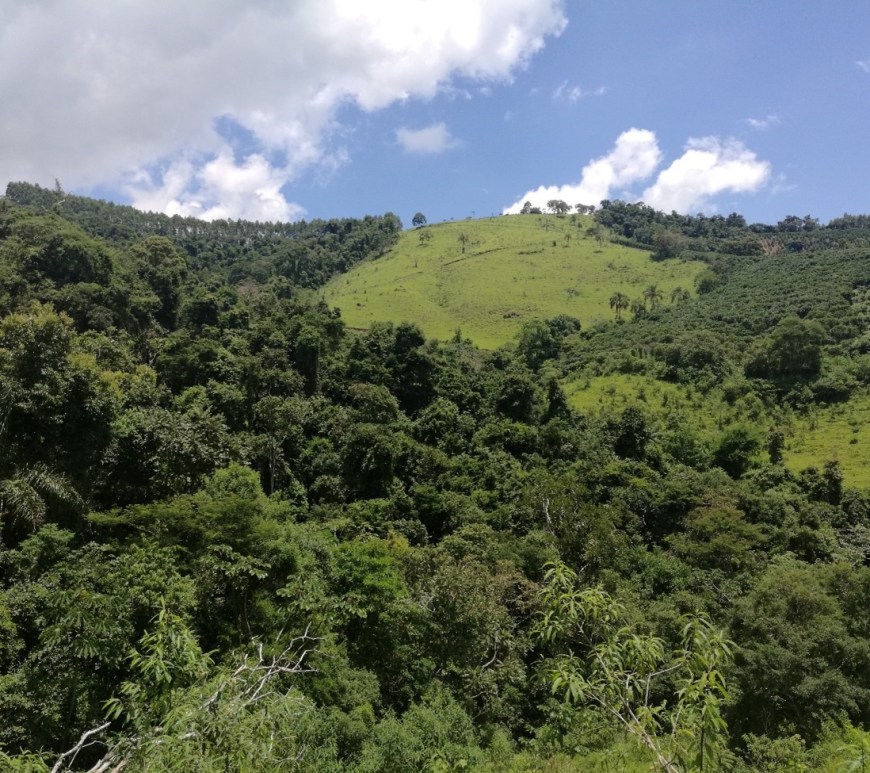
Evaluating CAP wildflower strips: high-quality seed mixtures significantly improve plant diversity and related pollen and nectar resources

This post is also available in German here In their new study, Schmidt and colleagues investigate the effectiveness of wildflower strips introduced under the European Union’s Agri-Environment Schemes Flower strips are a fundamental part of agri-environment schemes (AES) introduced by the European Union to counteract the loss of biodiversity and related ecosystem services in agricultural landscapes. At the beginning of every funding period (approx. 5 … Continue reading Evaluating CAP wildflower strips: high-quality seed mixtures significantly improve plant diversity and related pollen and nectar resources
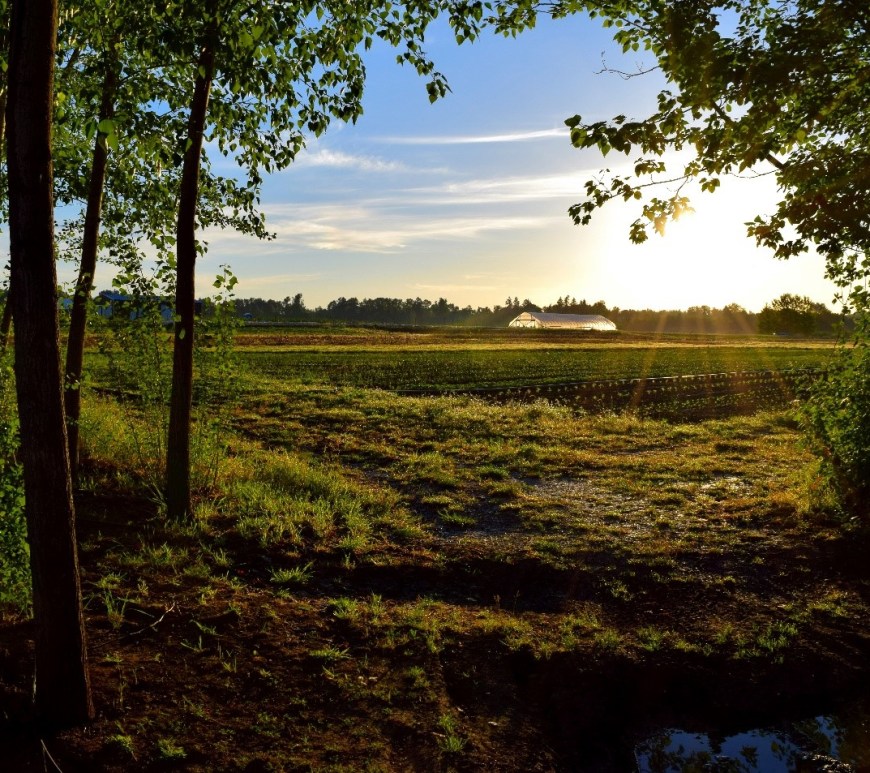
(A) Hodgson’s frogmouth, (B) Gould’s shortwing, (C) Fire-tailed myzornis (Phub Dorji)

The fragile Himalayas and the balancing act!

Ugyen Penjor discusses their latest research, conducted with colleagues Sherub Sherub and Rinzin Jamtsho, which explores the effects of land-use change on the functional and phylogenetic diversity of Eastern Himalayan bird communities. Envision the Himalayas – snow-clad mountains, jagged peaks, ruddy-cheeked people, and of course the ‘Abominable Snowman’ or The Yeti. But what is more exciting about the Himalayas is the biodiversity. The Himalayas can … Continue reading The fragile Himalayas and the balancing act!

Bird-friendly agriculture: finding the right balance to benefit birds and farmers

Promoting birds in agroecosystems is contentious. In their latest research, Olivia Smith and colleagues demonstrate how farmers can use landscape and farm diversification practices to harness ecosystem services from birds while reducing negative trade offs. Birds play many roles in human societies, including as consumers of crops and pests, carriers of pathogens and beloved icons. Consider, for example, the nearly globally distributed barn swallow. The … Continue reading Bird-friendly agriculture: finding the right balance to benefit birds and farmers

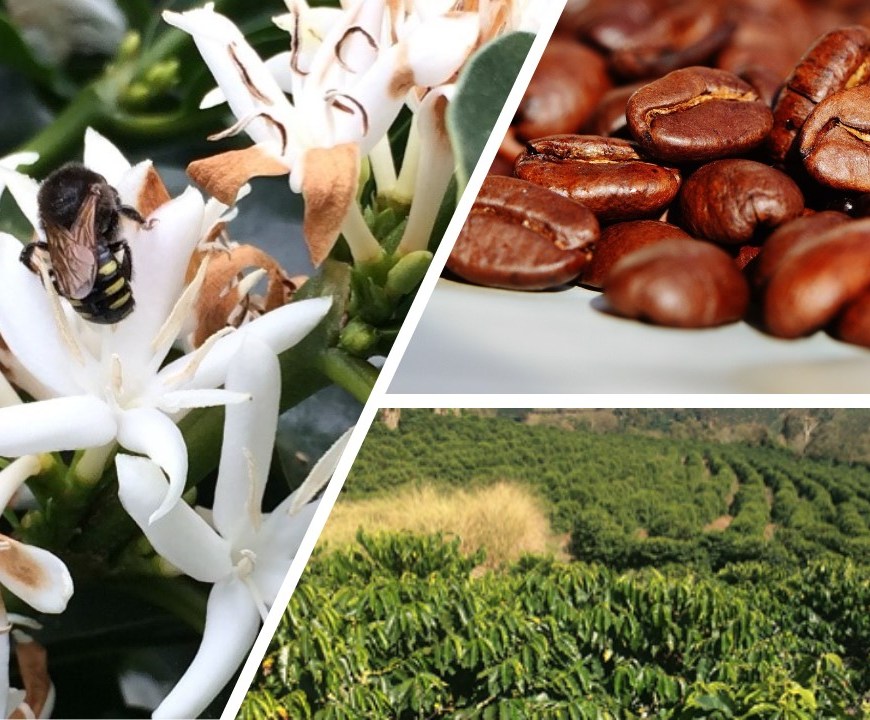
Knowing where your coffee comes from has the potential to aid restoration efforts 

In a new study, González-Chaves and colleagues assessed pollination benefits at a national scale by identifying where pollination services are more likely to be provided by native bees as a result of forest conservation. Coffee is a highly traded crop, which is produced in the tropics and enjoyed across the globe. Like most crops, coffee benefits from pollination services. However, this is rarely considered by … Continue reading Knowing where your coffee comes from has the potential to aid restoration efforts 

¿Qué determina la abundancia de plagas en trigo y sus enemigos naturales?

Esta publicación de blog también está disponible en inglés. Los enemigos naturales de las plagas, incluidos los predadores como las larvas de crisopas y sírfidos y las avispas parasitoides, brindan el servicio ecosistémico de control biológico de plagas. Diseñar paisajes agrícolas que promuevan este servicio es uno de los principales objetivos de la intensificación ecológica de la agricultura. Sin embargo, esto puede ser un desafío … Continue reading ¿Qué determina la abundancia de plagas en trigo y sus enemigos naturales?

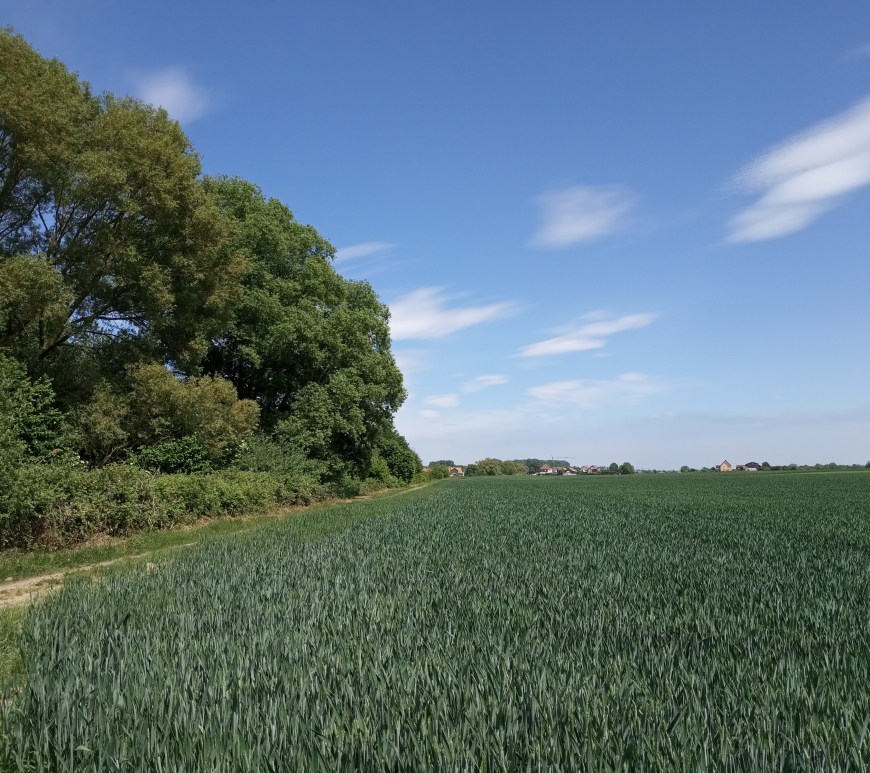
Ecological requirements drive the variable responses of wheat pests and natural enemies to the landscape context

This blog post is also available in Spanish. Semi-natural habitats (SNH) are considered essential for pest-suppressive landscapes, but their influence on crop pests and natural enemies can be highly variable. In their latest research, González and colleagues assessed the responses of multiple insect pests and natural enemies in wheat fields to landscape context and flower availability. Natural enemies of crop pests, including predators such as … Continue reading Ecological requirements drive the variable responses of wheat pests and natural enemies to the landscape context

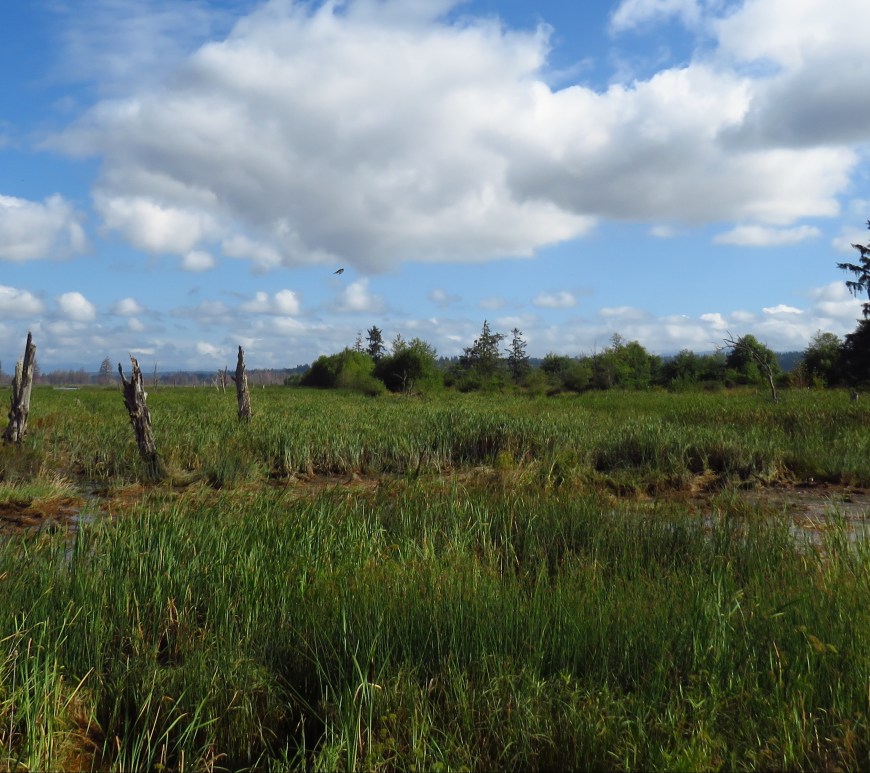
Reintroducing Grazing in California’s Vernal Pools—Can we reverse the effects of past management?

In disturbance-adapted ecosystems, the removal of disturbance can lead to losses of diversity and sometimes irreversible changes in community composition. In their latest research, Michaels and colleagues identify the thresholds at which changes occur and explore the reversibility of these shifts in a vernal pool ecosystem in Northern California. If you head out in search of one of California’s famous vernal pools, you’ll have to … Continue reading Reintroducing Grazing in California’s Vernal Pools—Can we reverse the effects of past management?

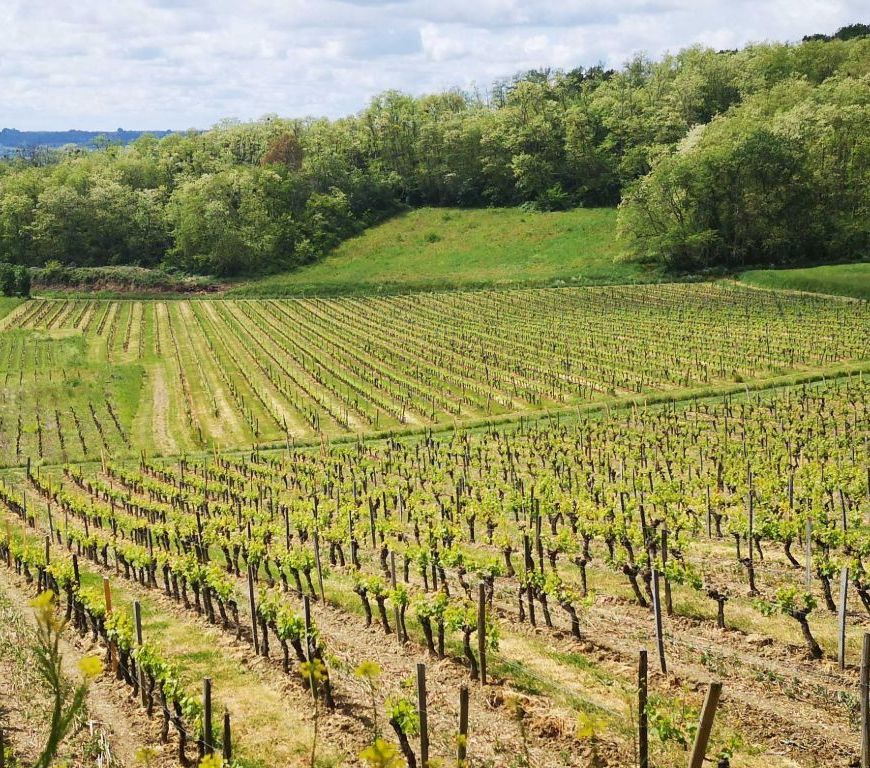
Diversifying plant communities in vineyards to increase natural pest control services

Léa Beaumelle and Adrien Rusch introduce their team’s latest research exploring different landscape contexts to identify ways to best foster natural pest control on agricultural lands. Insects and arthropods play key roles in agricultural systems. Arthropods comprise pests, such as aphids or caterpillars, but also beneficial organisms: predators such as spiders and ground beetles (natural enemies) prey upon insect pests and limit pest populations. As … Continue reading Diversifying plant communities in vineyards to increase natural pest control services

One-size does not fit all: Insights from a novel outbreak of Mycobacterium bovis in Northern England

The control of tuberculosis is an ongoing issue worldwide. A new study by Rossi and colleagues shows how genomic surveillance and a deep knowledge of the micro-scale landscape can provide invaluable insights on the effective control policies to tackle this issue. How do novel pathogen problems emerge? Have local conditions changed, making an outbreak more likely? How did the outbreak originate, and what will the … Continue reading One-size does not fit all: Insights from a novel outbreak of Mycobacterium bovis in Northern England

Una mayor cobertura forestal y matrices menos contrastantes mejoran el servicio de remoción de carroña por insectos carroñeros en paisajes tropicales

This post is also available in English (here) and Portuguese (here). Animales muertos es algo que mucha gente prefiere evitar: son visualmente desagradable, huelen realmente… simplemente son espantosos. Sin embargo, los animales involucrados en la descomposición de la carroña juegan un papel clave en la funcionalidad del ecosistema. Animales carroñeros (como buitres, algunos mamíferos o insectos) previene la acumulación de cadáveres, facilitan la distribución y … Continue reading Una mayor cobertura forestal y matrices menos contrastantes mejoran el servicio de remoción de carroña por insectos carroñeros en paisajes tropicales