
シギ・チドリ類の保全策として重要な干潟上のバイオフィルム
干潟はシギ・チドリ類にとって不可欠な採餌場であるが、気候変動や人為的影響によって深刻な影響を受けている。桑江朝比呂氏らの研究グループは、バイオフィルムに焦点を当てた干潟生態系への積極的介入によるシギ・チドリ類の回復効果について、最新の総説で探っている。A version of this post is available in English. Continue reading シギ・チドリ類の保全策として重要な干潟上のバイオフィルム
干潟はシギ・チドリ類にとって不可欠な採餌場であるが、気候変動や人為的影響によって深刻な影響を受けている。桑江朝比呂氏らの研究グループは、バイオフィルムに焦点を当てた干潟生態系への積極的介入によるシギ・チドリ類の回復効果について、最新の総説で探っている。A version of this post is available in English. Continue reading シギ・チドリ類の保全策として重要な干潟上のバイオフィルム

Kate Mathers and colleagues describe their latest research which aims to fill a much needed knowledge gap in the effects of artificial floods on subsurface habitats Naturally, river systems and their flow regimes are dynamic, reacting to changing meteorological events such as intense rainfall or annual snowmelt. This hydrological variability is vital in supporting a healthy river system because fluctuating flows regulate sediment transport (gravels … Continue reading Can artificial floods restore ecological health below the riverbed?

Koh Hasegawa and colleagues describe their latest research examining the geographic clines in Japanese chum salmon (Oncorhynchus keta). Many animal and plant species show geographic clines which are often recognized as adaptations to the associated transitional environments. A well-known example is that the body size of bears increase in more northern regions. Even people may notice clines in their daily lives, such as people in … Continue reading Temporal trends in geographic clines of salmon eggs associated with global warming and hatchery programs

Steven Alexander and colleagues discuss their team’s latest research examining the extent to which Indigenous science and knowledge contribute to freshwater research and monitoring across Canada. There are many benefits to drawing upon diverse knowledge systems in environmental research. Such practices – referred to by various terms including bridging, weaving, or braiding – have been shown to improve our collective understanding of environmental change, expand … Continue reading Using Indigenous and Western Science as a pathway for freshwater research across Canada
Lead author Rachel Aronoff recalls her discovery of Hackuarium, a community laboratory, whose study on lake water quality demonstrates how meaningful environmental monitoring can be achieved with participatory research. It was late in 2015 when I first encountered Hackuarium and its ‘biohacker’ members while organising a biosensor course in collaboration with several of its members – I had never seen anything like it. Who were … Continue reading Research stories: The power of participatory research
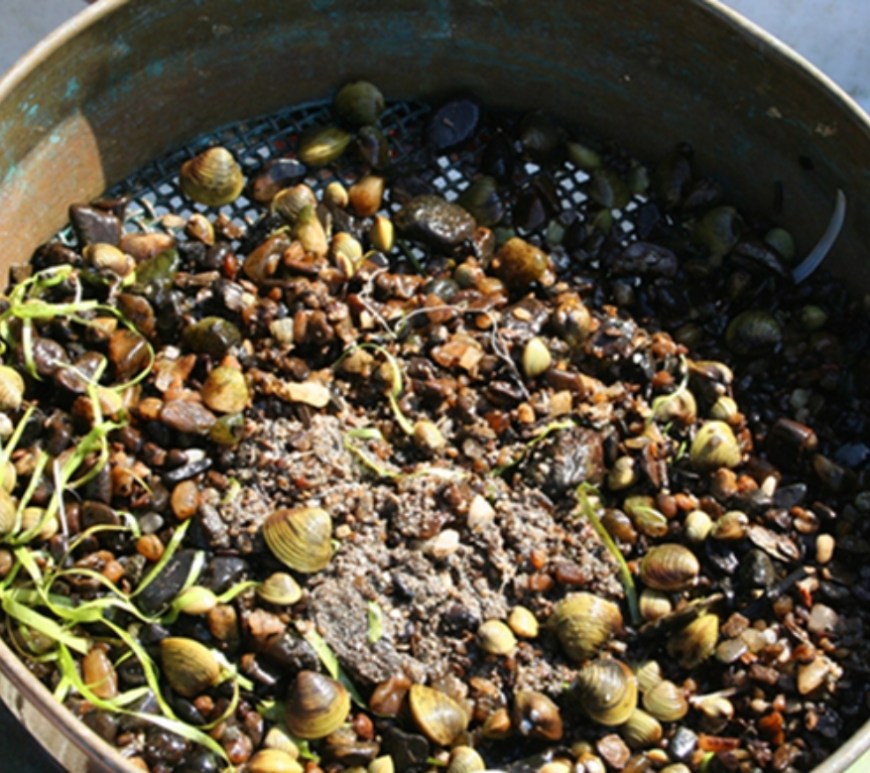
Invasive bivalves continue to detrimentally impact freshwater ecosystems worldwide, with their ecological effects often being standardised by body size or biomass measurements. In their latest research, Coughlan and colleagues aim to derive universally applicable conversion equations to support reliable comparative assessment of bivalve driven ecological effects. As dominant filter-feeders, most bivalves’ ecological impacts are a result of their filtration or particle clearance rates (i.e. the … Continue reading Weighing-in: universally applicable biometric conversion equations to support comparative assessment of invasive freshwater bivalves

Gaurav Vashistha and colleagues describe their latest research attempting to reverse the observed decline in gharial nesting by improving nesting site conditions. Find out more about the research behind the cover of our latest issue. The gharial (Gavialis gangeticus) is a critically threatened, freshwater crocodile. Gharials nest in sandy substrates such as river banks and mid-river sand bars where females dig holes and lay their … Continue reading Behind the cover 2:3 – Sand addition augments gharial nesting in degrading aquatic habitats
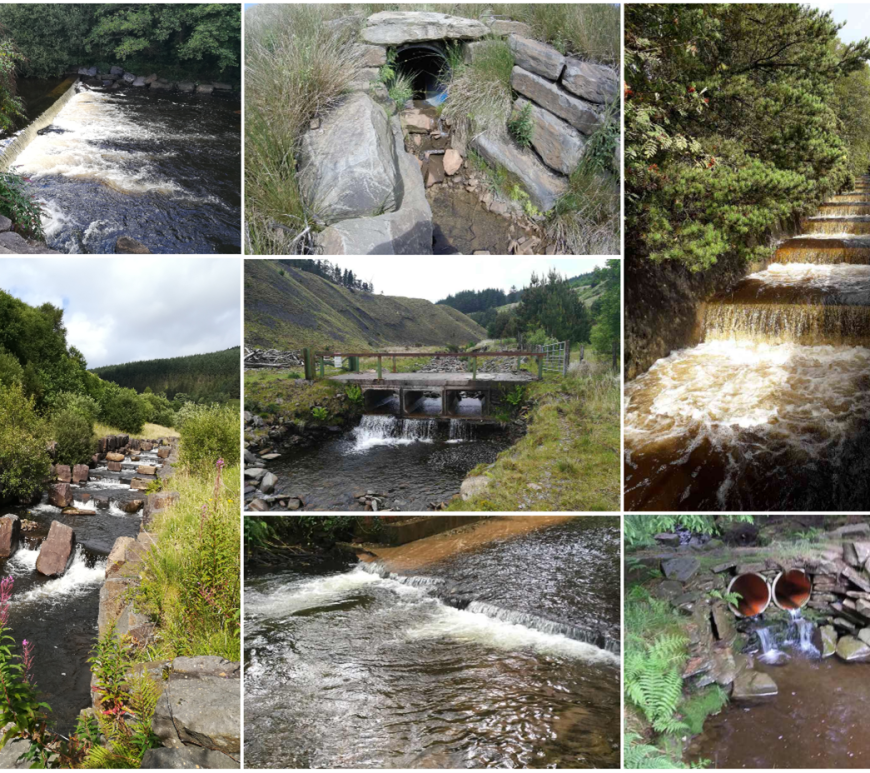
Artificial barriers are widespread and abundant in rivers worldwide, contributing to the global decline in freshwater biodiversity. In their latest research, Jones and colleagues aimed to assess potential selective effects of barriers on fish communities to better inform fish passage science. The impact of large barriers is well documented for large fish like salmon: disrupting well known movements between adult marine habitat and freshwater spawning/juvenile … Continue reading Small but damaging: low-head barriers can cause selective effects on river fish communities

In this Q&A, we find out more about the author and research: “A co‐development approach to conservation leads to informed habitat design and rapid establishment of amphibian communities” behind the cover image of our first issue of 2021. The research What’s your article about? Our article describes habitat creation and management for amphibians in economically active sites. We worked with farmers, foresters and a golf … Continue reading Behind the cover 2:1 – Q&A with David O’Brien

The unintentional release of domesticated salmon poses a significant risk to wild Atlantic salmon populations. In their latest research, Mahlum and colleagues use a hierarchical species distribution model to determine the spread and potential impact of domesticated salmon, following escape events in aquaculture facilities. Atlantic salmon is a culturally and economically important species that has been subjugated to intense anthropogenic pressures over the last century. … Continue reading Where do escaped farmed salmon go after unintentional release from aquaculture facilities?


 The Applied Ecologist