Small fields, big benefits: But only with semi-natural habitats nearby

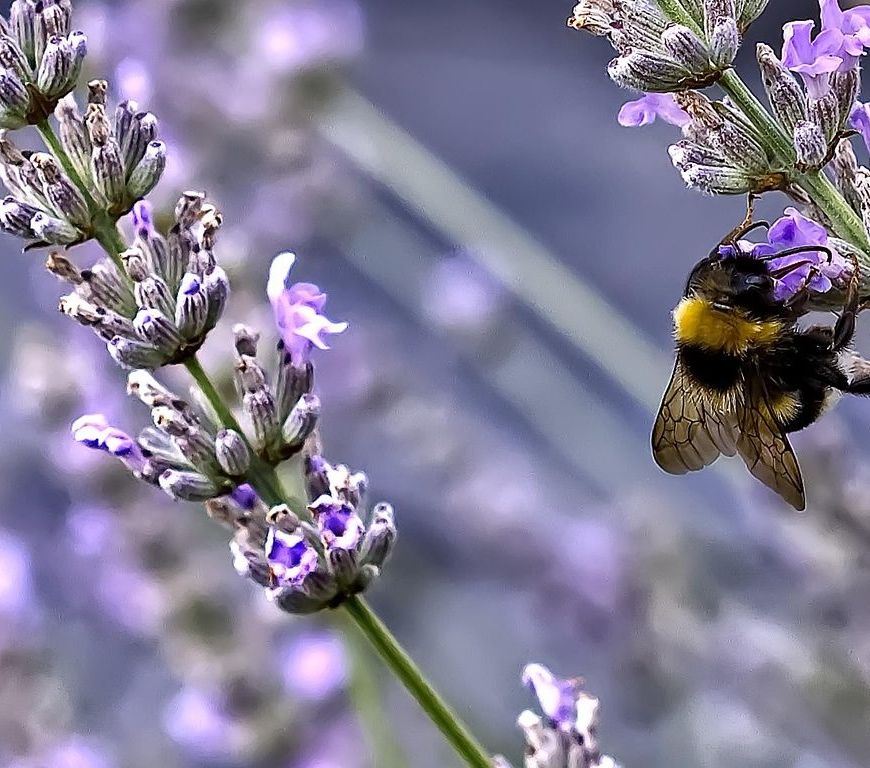
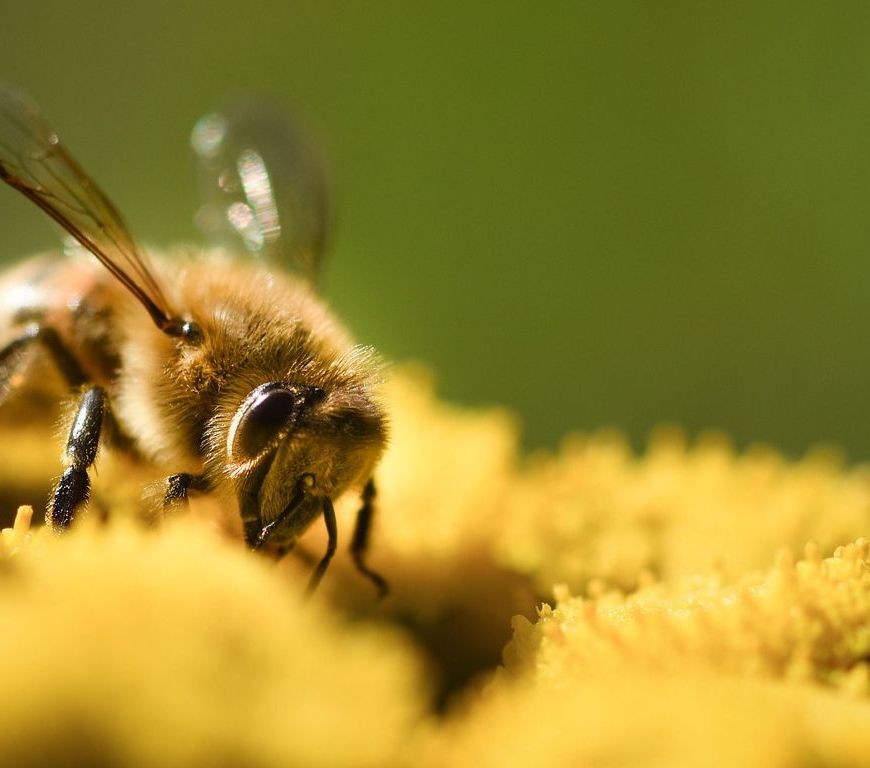
Pollinators, like bumblebees, are essential for agriculture, yet they’re declining due to landscape simplification and habitat loss. In this blog post, Riho Marja and colleagues tell us more about their study. Riho Marja and his team explored the effect of field size on Bumble bee populations in Austria and Hungary. They explored this by setting up 56 commercial bumblebee colonies in Eastern Austria and Western … Continue reading Small fields, big benefits: But only with semi-natural habitats nearby

Impacts of proactive health management on cattle and horse diets and dung biodiversity in Danish rewilding areas

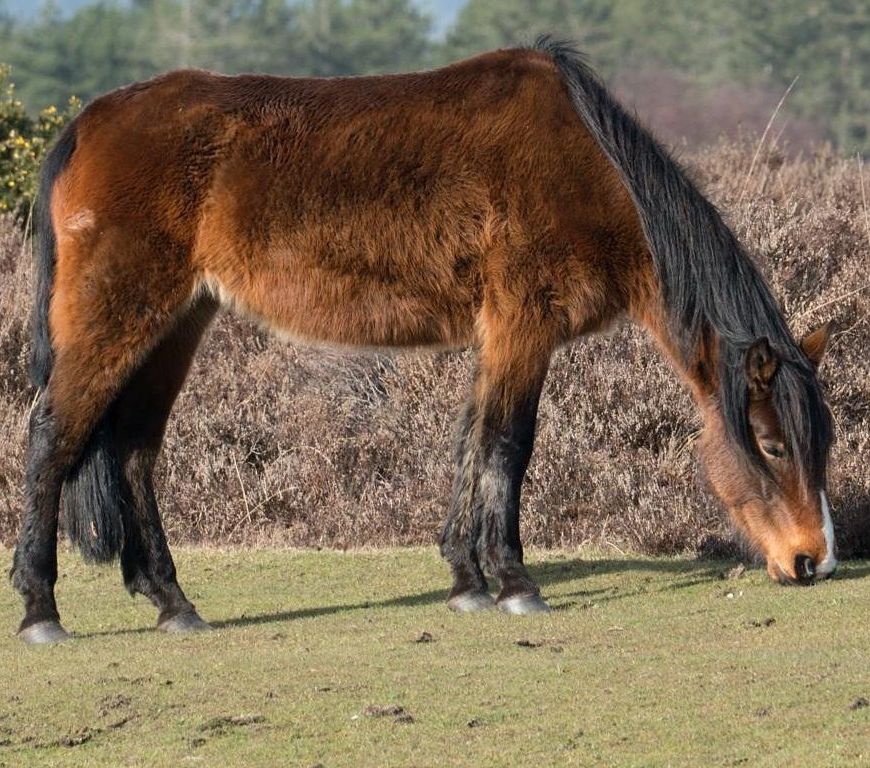
Emil S. Thomassen explains the recent diet study of rewilded cattle and horses, showing functional differences between the two species and reveals the impacts of management actions on this functionality as described in their latest research. The use of DNA metabarcoding for herbivorous diet analysis is a promising tool, yielding high-resolution data on plant consumption. In a time, where nature restoration and conservation are of … Continue reading Impacts of proactive health management on cattle and horse diets and dung biodiversity in Danish rewilding areas

Albatrosses make distinct flight hops when following fishing vessels

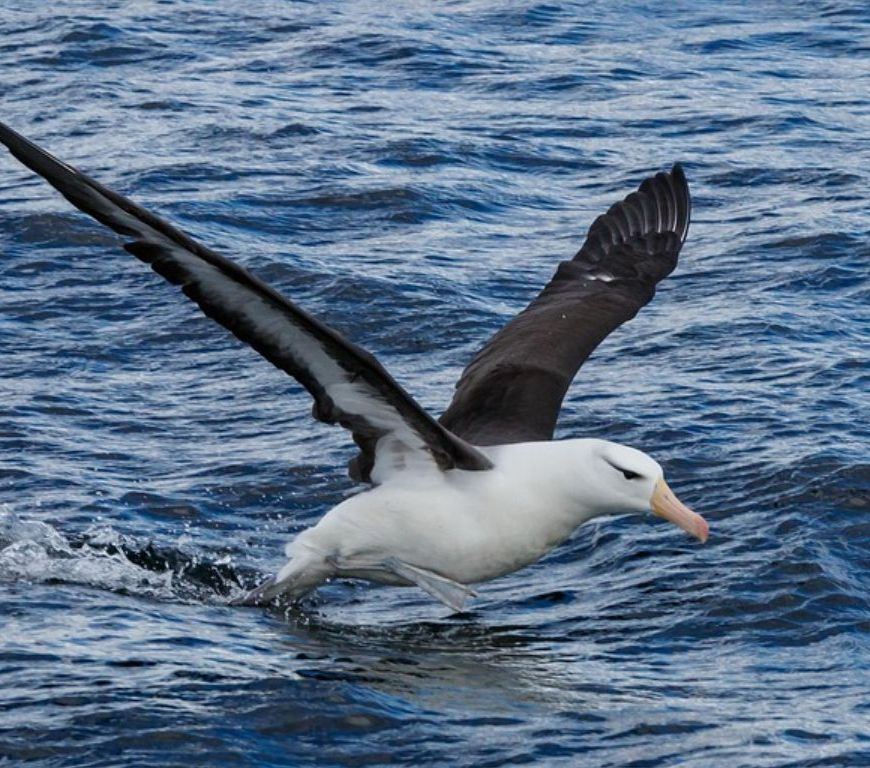
In their new study, “Immersion patterns alone can predict vessel following by albatrosses”, Jonathan Rutter et al. present a new behaviour-based method to detect previously hidden interactions between seabirds and fishing vessels. In oceans around the world, seabirds follow fishing vessels looking for easy meal. This puts them at risk of bycatch, when birds are killed after getting caught or colliding with fishing gear. A … Continue reading Albatrosses make distinct flight hops when following fishing vessels

Kylie Soanes: Do wildlife crossing structures mitigate the barrier effect of roads on animal movement?

Shortlisted for the 2024 Southwood Prize Kylie Soanes details how, alongside colleagues, they analysed 313 studies to determine whether wildlife crossing structures mitigate the barrier effect of roads on wildlife movement. About the research Overview Wildlife crossing structures are a common tool to help animals cross roads safely. While there’s clear evidence that these structures are used by wildlife, we wanted to dig deeper into … Continue reading Kylie Soanes: Do wildlife crossing structures mitigate the barrier effect of roads on animal movement?

Human-wildlife coexistence: The need for evidence-based solutions

Chen Huang provides an overview of their investigation into human-wildlife conflict, and explains how research gaps can be turned into opportunities. Humans and wildlife share the planet, often in proximity. In many parts of the world, villagers see elephants, lions, dolphins, and seabirds as part of their daily lives—much like city dwellers spot starlings feeding in a park. While wildlife is culturally valuable and a … Continue reading Human-wildlife coexistence: The need for evidence-based solutions

Seals avoid an operating tidal turbine

Authors of a recently published study discuss how their research discovered that seals exhibit avoidance of turbines during operation. This finding is important for industry developers and regulators, as lower numbers of seals close to the turbine reduces the potential for fatal collisions and injuries. The rise of the tidal energy industry The marine renewable energy sector is growing rapidly. Offshore wind is well established, … Continue reading Seals avoid an operating tidal turbine

Grizzly bears and wolves avoid busy hiking trails more than previously thought

Peter Thompson explains how, alongside colleagues, the spatial distribution and interactions of grizzly bears (Ursus arctos), grey wolves (Canis lupus), and humans within the central Canadian Rocky Mountains were monitored and assessed in their latest study. Human recreation and wildlife The Bow River Valley in Alberta, Canada is a global hotspot for outdoor recreation, attracting millions of visitors annually to enjoy the spectacular landscapes of … Continue reading Grizzly bears and wolves avoid busy hiking trails more than previously thought

Keeping our havened populations fighting fit: Do native predators help Australian mammals face invasive cats and foxes?

Linking to the recently-published article, Natasha Harrison discusses whether native predators inside ‘predator-free’ havens could be good for the conservation of threatened native prey species. Predator-free havens Since their introduction into the Australian landscape following European settlement, feral cats and red foxes have caused prolific population declines among our native fauna. The extinction of Australian mammals makes up more than two thirds of contemporary global … Continue reading Keeping our havened populations fighting fit: Do native predators help Australian mammals face invasive cats and foxes?

Science communication: A sticky situation

As part of Journal of Applied Ecology’s efforts to discuss how real-world impact can be achieved following research, we’re talking to authors about their studies. In this post, Edward Straw discusses his first experience with sharing research via social media. I think it’s fair to say that my experience publishing my first paper was atypical. Not many papers, let alone first papers, end up glued … Continue reading Science communication: A sticky situation

Collision avoidance: Navigating ships through recovering whale populations

In this blog post, Emily Hague and team discuss their latest research into the importance of careful consideration of collision-mapping approach and data selection when it comes to predicting high-risk vessel collision areas for whales. For conservationists and those that care about nature and our planet, the news can feel incredibly bleak, with daily (deservedly) scary stories of extreme climate change related temperatures, species fighting … Continue reading Collision avoidance: Navigating ships through recovering whale populations