Applying remote sensing techniques to wide-scale vegetation inventories

Feature image © InnoTech Alberta Originally posted and adapted from The Alberta Biodiversity Monitoring Institute Blog. Author Sydney Toni describes their latest study that explores a more cost-effective way of using remote sensing to better understand landscapes at larger scale for habitat monitoring and management. Ideally, the information we collect to manage wildlife habitat is many things: high-resolution, consistent and covering all areas of interest. The … Continue reading Applying remote sensing techniques to wide-scale vegetation inventories

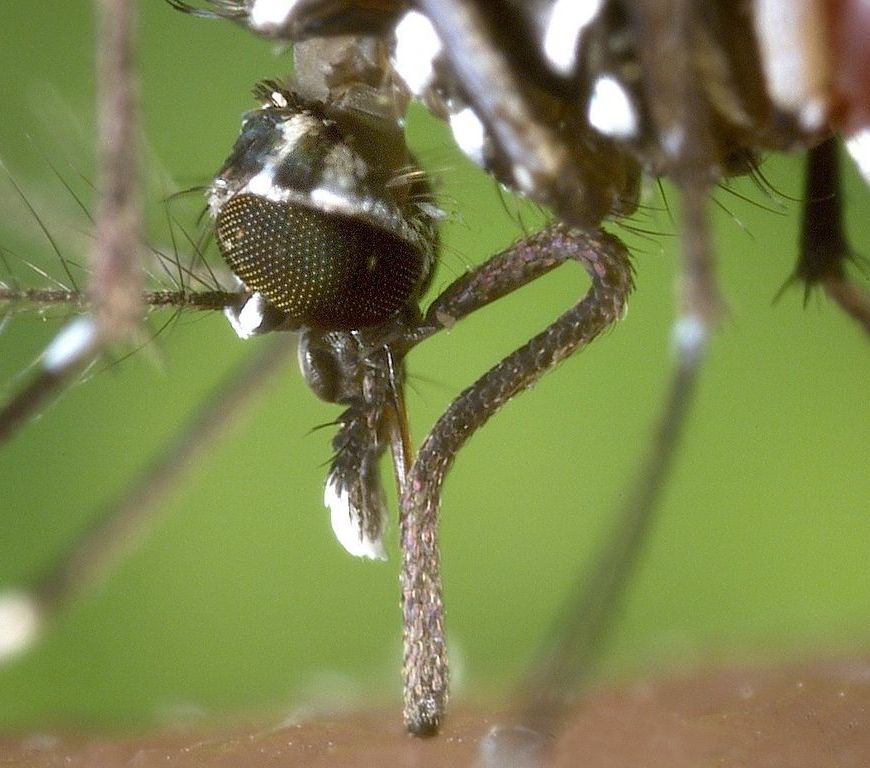
Estimating when the Tiger mosquito will invade a country to prevent the exposure to vector-borne diseases

Sandra Oliveira discusses new research, conducted with colleagues, that saw the development of a model to predict the possible future spread of the invasive Tiger mosquito. The Tiger mosquito (Aedes albopictus) is a highly invasive species that, in the last 40 years, has colonized all continents except Antarctica. Why do we need to worry about it? Because this mosquito can carry several viruses and spread … Continue reading Estimating when the Tiger mosquito will invade a country to prevent the exposure to vector-borne diseases

Our invaded world: India’s quest for ecosystem restoration

Ninad Mungi shares recent work, conducted with colleagues, which involved monitoring India’s levels of invasive plant species. This has knock-on effects for apex predators, such as tigers, who rely on their prey being able to access native species. Introduction In a world grappling with drastic ecological challenges, biological invasions have emerged as a pernicious threat to biodiversity, ecosystem functioning, and global health. While the impacts … Continue reading Our invaded world: India’s quest for ecosystem restoration

Predicting dispersal and conflict risk for wolf recolonisation in Colorado

Mark Ditmer discusses his and colleagues’ new research which aims to predict wolf movement and potential conflict hotspots following the state of Colorado’s decision to reintroduce gray wolves. This data may be used to offer practical, actionable recommendations for decision-makers. Animal movement and conflict risk Species’ ranges are shifting – and accurately predicting the way species disperse in novel areas can greatly enhance conservation efforts. … Continue reading Predicting dispersal and conflict risk for wolf recolonisation in Colorado

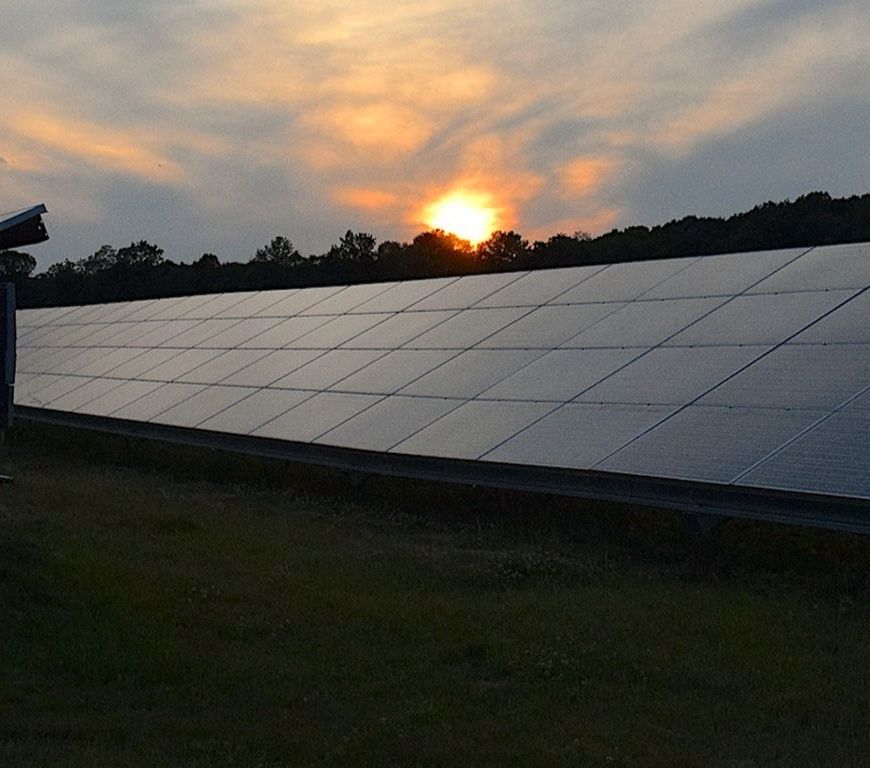
Editor’s Choice 60:9 Bat activity falls by over half at solar farms

Author Elizabeth Tinsley summarises Journal of Applied Ecology’s September Editor’s Choice research article. This latest research, conducted alongside colleagues, aimed to assess the impact of solar panel farms on bat activity. The growing need for renewable energy As our planet continues to warm, the need for renewable energy is becoming increasingly urgent. Renewable technologies are important in meeting energy demands sustainably and are of vital importance … Continue reading Editor’s Choice 60:9 Bat activity falls by over half at solar farms

Fauna sentinela: como o seguimento por GPS de espécies necrófagas fornece informação sobre o cumprimento dos regulamentos de gestão de cadáveres

Patrícia Mateo Tomás fala-nos do novo estudo que visa avaliar como o rastreio remoto da vida selvagem pode contribuir para uma melhor monitorização das leis ambientais. Através do rastreamento experimental de lobos e abutres via GPS, os pesquisadores conseguiram localizar um total de 489 carcaças de gado em Espanha e Portugal. Continue reading Fauna sentinela: como o seguimento por GPS de espécies necrófagas fornece informação sobre o cumprimento dos regulamentos de gestão de cadáveres

Fauna centinela: cómo el seguimiento GPS de especies necrófagas informa el cumplimiento de la normativa de gestión de carroñas

Patricia Mateo Tomás nos habla sobre el nuevo estudio de ella y sus colegas que tiene como objetivo evaluar cómo el seguimiento remoto de la vida silvestre puede contribuir a un mejor monitoreo de las leyes ambientales. A través del seguimiento experimental de lobos y buitres a través de GPS, los investigadores pudieron localizar un total de 489 cadáveres de ganado en España y Portugal. Continue reading Fauna centinela: cómo el seguimiento GPS de especies necrófagas informa el cumplimiento de la normativa de gestión de carroñas

Sentinel wildlife: GPS-tracking of scavengers to inform compliance with regulations on carcass disposal

Patricia Mateo Tomás talks us through her and colleagues’ new study which aims to assess how remotely tracking wildlife can contribute to the better monitoring of environmental laws. Through experimentally tracking wolves and vultures via GPS, researchers were able to locate a total of 489 livestock carcasses across Spain and Portugal. Continue reading Sentinel wildlife: GPS-tracking of scavengers to inform compliance with regulations on carcass disposal

Fieldwork Insights: Himalayan hill streams and data loggers

Aashna Sharma, Associate Editor mentee for Journal of Applied Ecology, recently embarked on a fieldtrip to the Himalayas. In this stand-alone blog post, she details hers and research colleagues’ full experience, told alongside videos and photographs from the field. Introduction Fieldwork is inherent for wildlife researchers, a daily delight! Working in immaculate landscapes such as the Himalaya comes as a blessing and research stipends become … Continue reading Fieldwork Insights: Himalayan hill streams and data loggers

Cheap microclimate sensor networks in the wild

Shortlisted for the Georgina Mace Prize 2023 Author Lina K. Mühlbauer summarises her team’s latest study exploring the use of Arduinos as a novel cost-effective method for microclimate monitoring in remote systems. Why measure microclimate? A great challenge of our times is to predict and mitigate the impacts of global climate change on the world’s ecosystems. To do so, a lot of information is needed … Continue reading Cheap microclimate sensor networks in the wild