The value of capturing diverse perspectives during threatened species decision-making

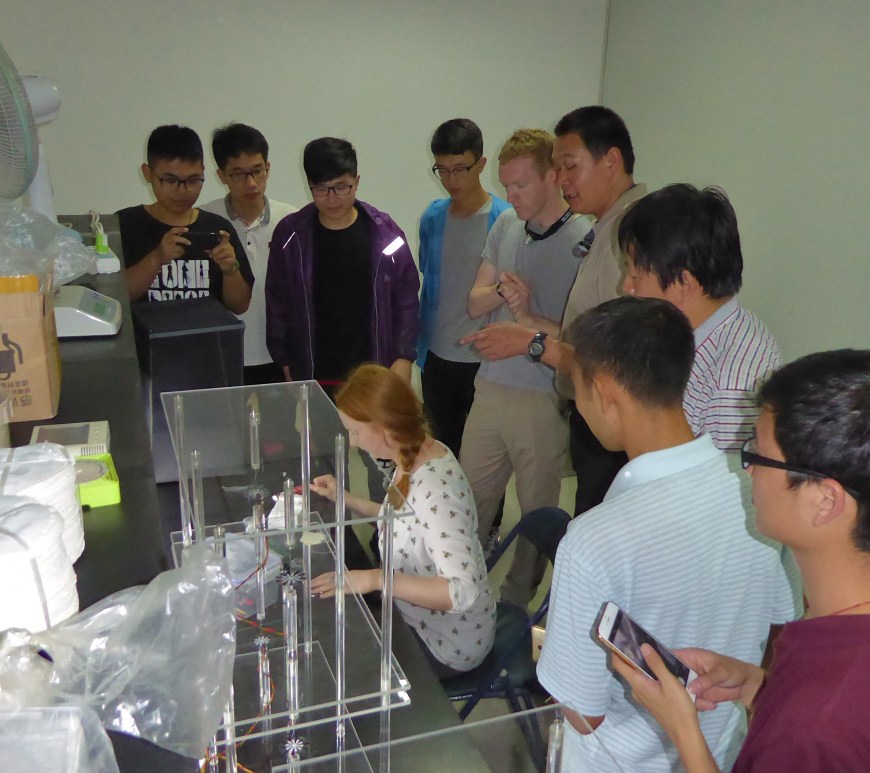
Mairi Hilton discusses new research in which she and colleagues developed and tested a structured approach to capture the expert knowledge of recovery teams when deciding if, when and how to act to manage a decline in a threatened species. Background When making decisions about threatened species, managers must often use incomplete data, because the urgency of decisions means that waiting for perfect information is … Continue reading The value of capturing diverse perspectives during threatened species decision-making

How can we efficiently create protected areas in inaccessible, yet threatened, areas?

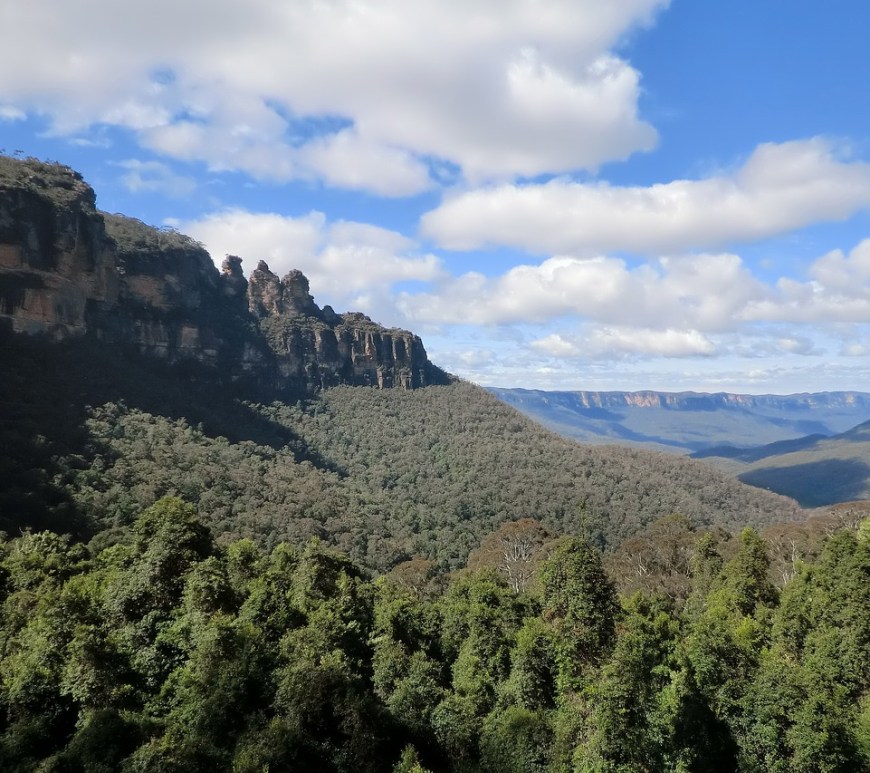
Delphine Ducros discusses the latest research with colleagues which saw how a suite of modelling tools can be used to identify and protect remote, data-poor natural areas in regions that are in need of urgent conservation policy. The challenge of sampling remote areas Human footprint is increasing worldwide, reaching even the most remote places, with potential threats to biodiversity. In isolated places, assessing and anticipating … Continue reading How can we efficiently create protected areas in inaccessible, yet threatened, areas?

Resolving a heated debate: How useful is prescribed burning for lowland heaths?

Prescribed burning is a controversial management tool. Here, Barbara Smith discusses new research she and colleagues conducted into the impact of burning on lowland heaths at three trophic levels over a 20 year period. Its findings provide evidence for ecologists, land managers and policy makers to support decision making in protected area management. Background Lowland heathlands, with their unique assemblage of species, were created by … Continue reading Resolving a heated debate: How useful is prescribed burning for lowland heaths?

ECR Journeys: Treescapes for People and Nature 

This month, The Applied Ecologist is amplifying the voice of early career ecologists from around the world working in the field of applied ecology to help inspire the next generation. In this post, Melissa Minter, Conservation Scientist within the RSPB Centre for Conservation Science, shares their story below.    My background In my spare time, I love to play board games, (the favourite is Wingspan, of … Continue reading ECR Journeys: Treescapes for People and Nature 

Drone-induced flight initiation distances for shorebirds in mixed-species flocks

Joshua Wilson discusses recent research at Moreton Bay, Australia which saw Wilson and colleagues conduct over 200 drone approaches of shorebird flocks to measure how the birds respond to drones. Particular attention is paid to the critically endangered Eastern Curlew. Stress responses Imagine you’re resting in your bed when, out of the corner of your eye, you see something scuttling along the roof towards you. … Continue reading Drone-induced flight initiation distances for shorebirds in mixed-species flocks

Let’s improve disease metrics in wildlife: an example with Darwin’s frogs infected by the deadly chytrid fungus

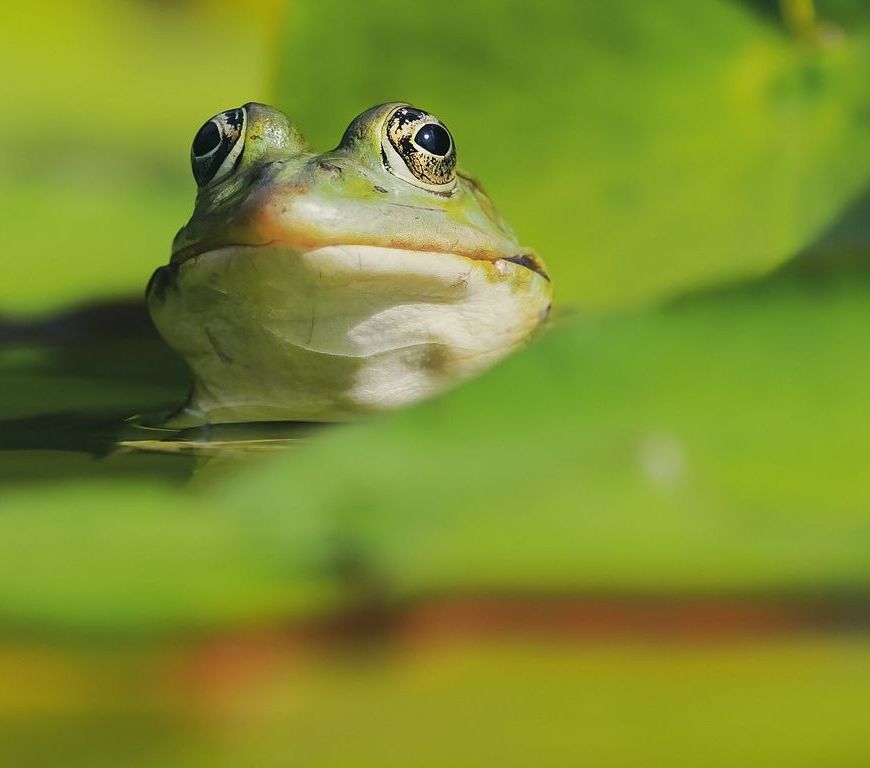
Hugo Sentenac discusses theirs and colleagues’ recent research article which uses data from a fungal pathogen and Darwin’s frogs to assess the magnitude of prevalence bias, as well as illustrate how it can impact disease risk assessment. Infectious diseases: Batrachochytrium dendrobatidis Certain infectious diseases have wrought havoc in nature. One dramatic example is the amphibian chytridiomycosis caused by the chytrid fungus Batrachochytrium dendrobatidis.  It has … Continue reading Let’s improve disease metrics in wildlife: an example with Darwin’s frogs infected by the deadly chytrid fungus

Expansion of hydropower plants drives the risk of extinction of an imperiled and endemic freshwater turtle

André Luis Regolin talks us through the latest research from themselves and colleagues on conserving the rare Williams’ side-necked turtle. The study uses a new methodological approach to evaluate how current and future scenarios of hydroelectric generation affect the species’ distribution. The problem The Williams’ side-necked turtle (Phrynops williamsi) was only described to science in 1983 and since then little attention and research efforts have … Continue reading Expansion of hydropower plants drives the risk of extinction of an imperiled and endemic freshwater turtle

Beste managementpraktijken om opbrengstverlies door ganzen te verminderen

Monique de Jager bespreekt recent onderzoek met collega’s dat probeert te begrijpen wat de meest kosteneffectieve manier is om gewasverlies als gevolg van grazende ganzen te verminderen. Na het uitvoeren van een model met verschillende begrazings- en schrikscenario’s, bleek dat de beste beheeroptie is om ganzen te laten grazen. Continue reading Beste managementpraktijken om opbrengstverlies door ganzen te verminderen

Best management practices to decrease goose-related yield loss

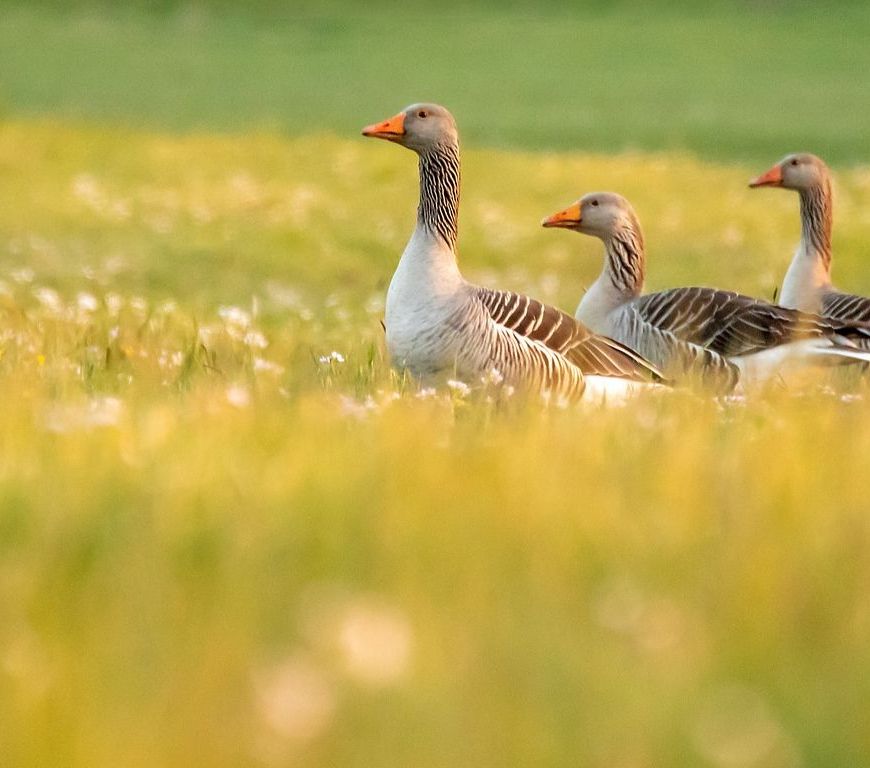
This blog post is also available in Dutch here. Monique de Jager discusses recent research with colleagues that seeks to understand the most cost-effective way of decreasing crop loss as a result of grazing geese. After running a model with several different grazing and scaring scenarios, it was found that the best management option is to leave geese to graze. Introduction The rebound of the … Continue reading Best management practices to decrease goose-related yield loss

Research stories: Using accelerometers to uncover wildlife behaviour

How can we study wildlife behaviours associated with disease transmission without altering those behaviours ourselves, via our presence? Authors Van de Vuurst and Alexander share their latest Practice Insights that explore a new method to overcome this problem. Wildlife research is a job made of calluses, sweat and patience. From sample gathering along stream banks to telemetry surveys across frozen tundra, all wildlife professionals are … Continue reading Research stories: Using accelerometers to uncover wildlife behaviour