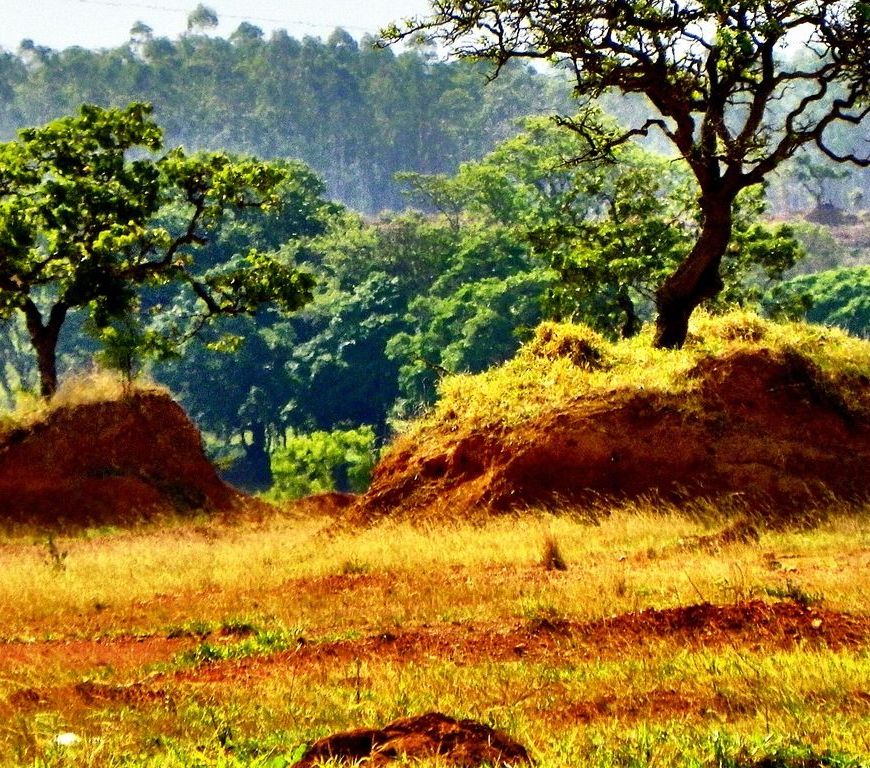
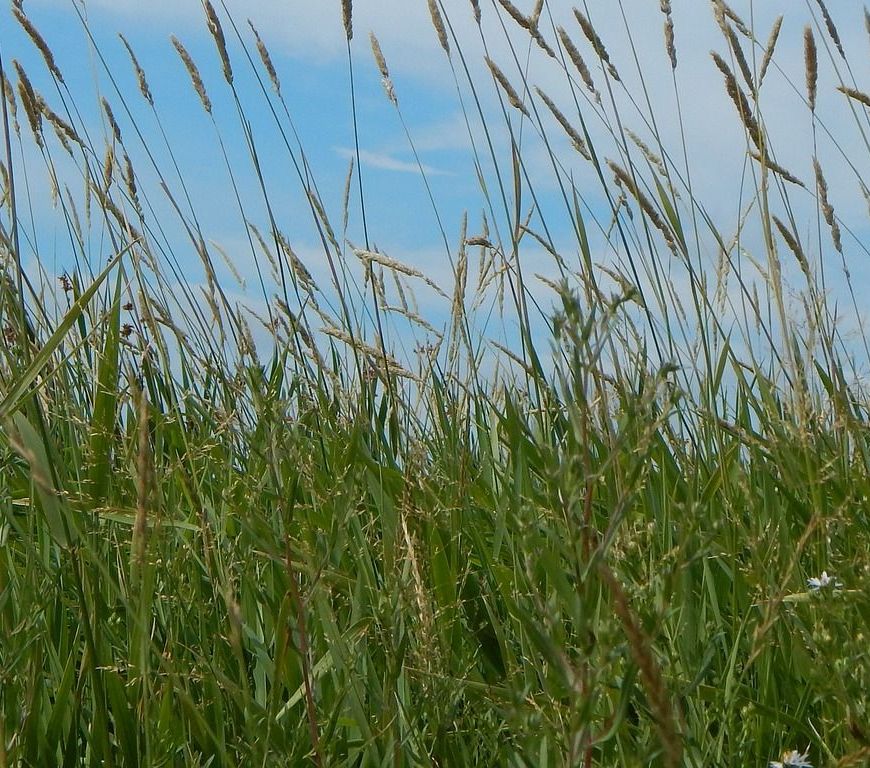
Wide-scale rangeland condition monitoring: Measurement of increased vegetation cover following stock removal and conservation management

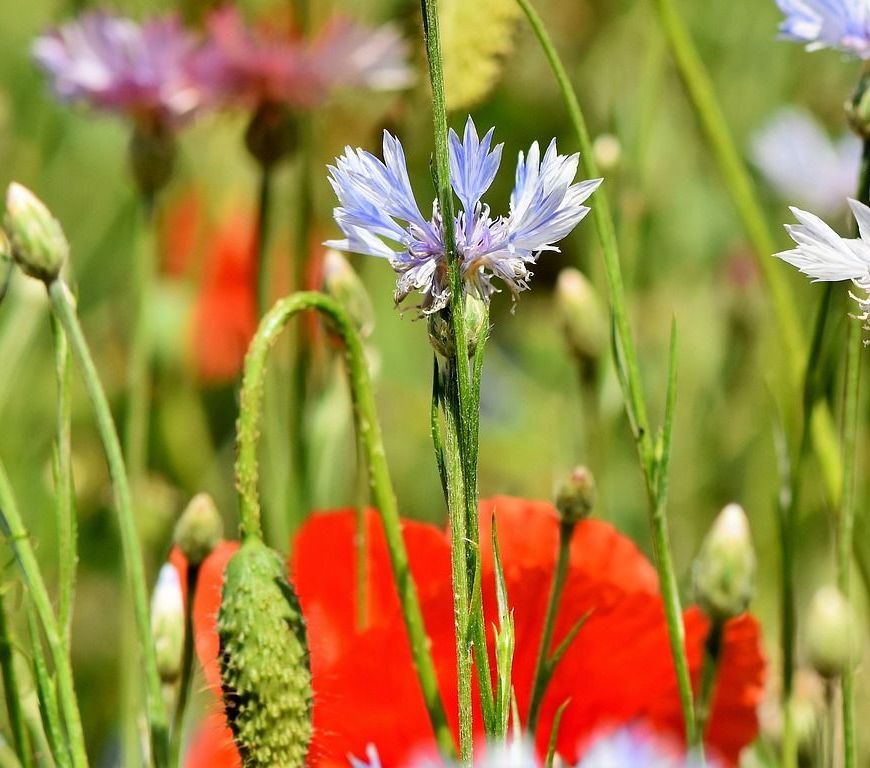
Angus Retallack explains how, using remote sensing data over a 22-year observation period, vegetation recovery after the removal of livestock and the introduction of conservation-focused management can be assessed. Arid and semi-arid rangelands cover close to 50% of the Earth’s land surface and are relied upon by a diverse range of stakeholders including Indigenous people, pastoralists and environmental conservationists. Sustainable use and conservation of these … Continue reading Wide-scale rangeland condition monitoring: Measurement of increased vegetation cover following stock removal and conservation management

Close to the edge: Spatial variation in plant diversity, biomass and floral resources in conventional and agri-environment cereal fields

Laura Sutcliffe discusses her latest study where, alongside colleagues, she investigated the spatial distribution of vascular plant species richness and their contribution to the food web via biomass and flower units in conventional and agri-environment cereal fields. The study: Arable plants Arable plants are usually simply referred to as weeds, reflecting their low status in society and also in biodiversity research. Whilst there is a … Continue reading Close to the edge: Spatial variation in plant diversity, biomass and floral resources in conventional and agri-environment cereal fields

Passive tree diversity increase after intense forest exploitation? A matter of drought-tolerant and animal-dispersed species

Miriam Selwyn discusses their latest study’s findings, conducted with colleagues. Results find ca. 30 years of passive tree species diversity increase following intense forest management release. This is largely thought to be led by animal-dispersed and higher drought tolerant species in the context of increasing temperatures and decreasing precipitations. Why does diversity matter? Tree species diversity is considered one of the main attributes promoting forest … Continue reading Passive tree diversity increase after intense forest exploitation? A matter of drought-tolerant and animal-dispersed species

Can livestock help restore pollination services?

Anna Traveset and Carlos Lara-Romero talk us through the effect of green infrastructure on the restoration of pollination networks and plant performance in semi-natural dry grasslands across Europe. Alongside colleagues, Traveset and Lara-Romero suggest that enhancing ecosystem functions while avoiding biotic homogenisation is a necessity. Introduction and objectives In Europe, semi-natural grasslands are living treasures, nurtured by traditional pastoralism that has maintained their unique biodiversity.  However, … Continue reading Can livestock help restore pollination services?

Iván Raniero Hernández-Salmerón: Native palms and trees mediate drought impacts on dry neotropical pastures

Shortlisted for the 2023 Southwood Prize Iván Raniero Hernández-Salmerón talks us through research, conducted alongside colleagues, which shows that fostering a diversity of native palms and trees has positive effects on the functioning of cattle pastures, especially during dry periods. A larger understanding of the facilitative effects of remnant palms and trees on pastures during seasonal droughts may also help to develop more climate-resilient livestock … Continue reading Iván Raniero Hernández-Salmerón: Native palms and trees mediate drought impacts on dry neotropical pastures

Natashi Pilon: Challenges and directions for open ecosystems biodiversity restoration: An overview of the techniques applied for Cerrado

Shortlisted for the 2023 Southwood Prize In this blog post, Natashi Pilon discusses their team’s analysis of 82 data sets from the literature and primary data collection, with the aim of assessing the effectiveness of passive and active restoration techniques applied in Cerrado open ecosystems. Restoration We are in the UN Decade on Ecosystem Restoration, and the consensus is stronger than ever that conservation is … Continue reading Natashi Pilon: Challenges and directions for open ecosystems biodiversity restoration: An overview of the techniques applied for Cerrado

Nicholas McMillan: Unraveling the invasion paradox 

Shortlisted for the 2023 Southwood Prize Nicholas McMillan details how he and colleagues collected data across eight grassland landscapes to test how an invasive legume affected plant and bird communities at spatial grains ranging from 0.1 m2 to >3,000,000 m2. It was concluded that scale is a central problem in ecology, and defining scale in management objectives is essential for effective biodiversity conservation. Invasive plants Invasive plants are managed … Continue reading Nicholas McMillan: Unraveling the invasion paradox 

Mendukung kupu-kupu di perkebunan kelapa sawit milik petani kecil

Martina Harianja membahas penelitian terbaru tentang kumpulan kupu-kupu yang merinci bagaimana, bersama rekan-rekannya, mereka mencatat lebih dari 1200 kupu-kupu di 27 perkebunan kelapa sawit yang berbeda. Temuan menunjukkan bahwa peremajaan kelapa sawit dan pilihan mono atau polikultur memiliki efek yang relatif kecil pada kupu-kupu. Namun, manajemen untuk fitur spesifik di perkebunan dapat menguntungkan kumpulan kupu-kupu. Continue reading Mendukung kupu-kupu di perkebunan kelapa sawit milik petani kecil

Supporting butterflies within smallholding oil palm plantations

Martina Harianja discusses the latest research into butterfly assemblages detailing how, alongside colleagues, they recorded over 1200 butterflies across 27 different oil palm plantations. Findings suggest that replanting oil palm and choice of mono or polyculture had relatively few effects on butterflies. However, management for specific features in plantations could benefit butterfly assemblages. Continue reading Supporting butterflies within smallholding oil palm plantations

Menyokong rama-rama dalam ladang kelapa sawit pekebun kecil

Martina Harianja membincangkan penyelidikan terkini mengenai perhimpunan rama-rama yang memperincikan bagaimana, bersama rakan sekerja, mereka merekodkan lebih 1200 rama-rama di 27 ladang kelapa sawit yang berbeza. Penemuan menunjukkan bahawa penanaman semula kelapa sawit dan pilihan mono atau polikultur mempunyai sedikit kesan pada rama-rama. Walau bagaimanapun, pengurusan untuk ciri-ciri tertentu di ladang boleh memberi manfaat kepada pemasangan rama-rama. Continue reading Menyokong rama-rama dalam ladang kelapa sawit pekebun kecil