The Disproportionate Value of ‘Weeds’ to Pollinators and Biodiversity

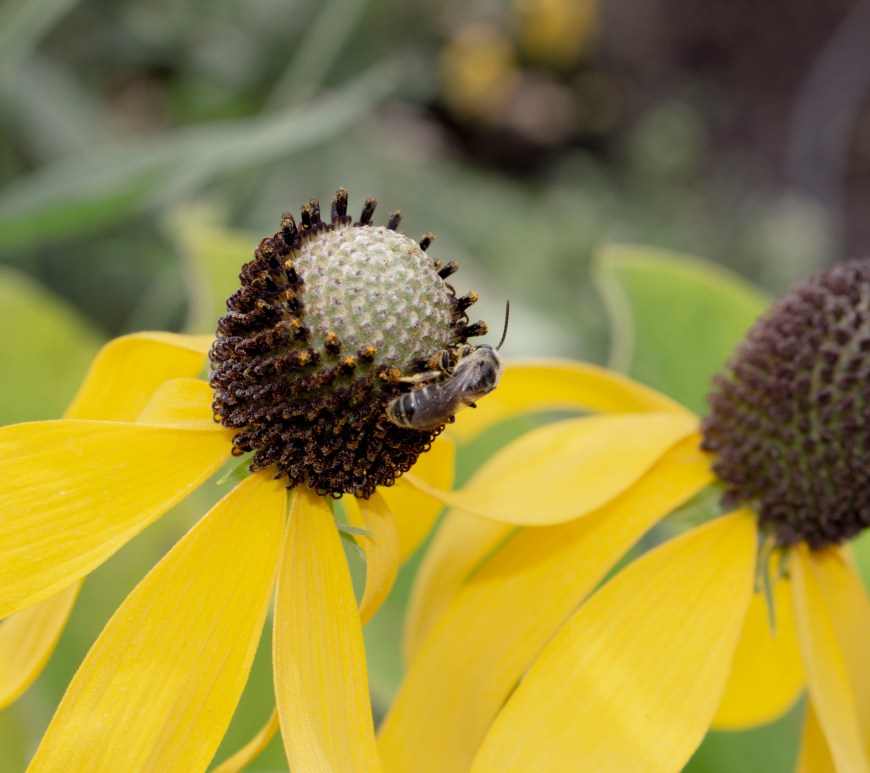
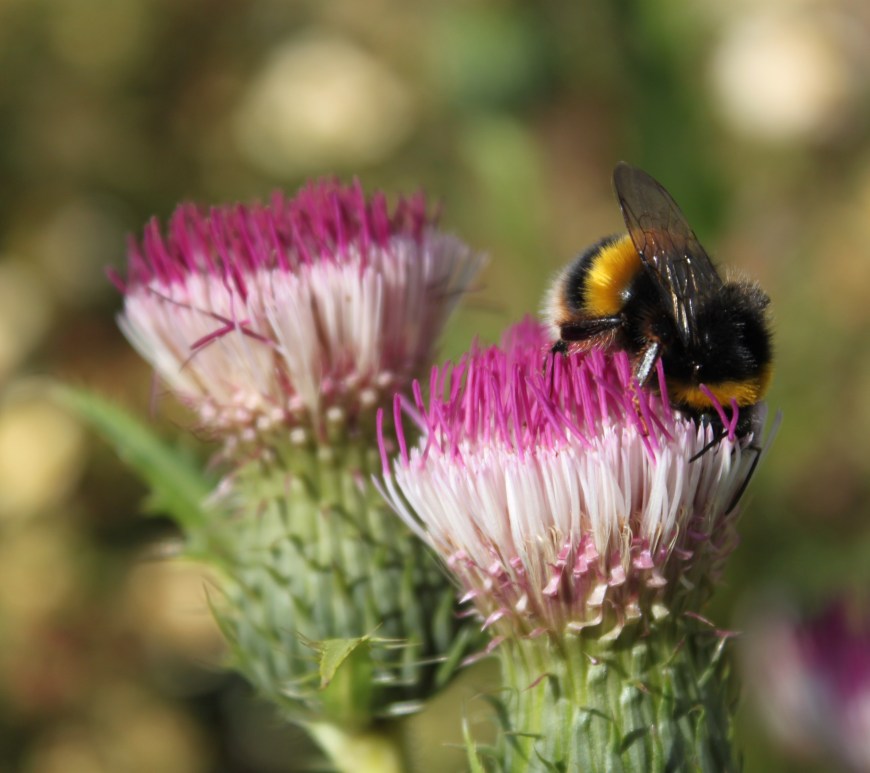
In their latest research, Nicholas Balfour and Francis Ratnieks use multiple datasets to compare the biodiversity value of the plant species classified as ‘injurious weeds’ by the UK’s 1959 Weeds Act, with those species stipulated by DEFRA for pollinator targeted agri-environmental options. In the UK, five species of native wildflowers are classified as “injurious weeds” in the 1959 Weeds Act. Three of them are frequently … Continue reading The Disproportionate Value of ‘Weeds’ to Pollinators and Biodiversity

Cutting non-native trees helps, but may not be enough to restore coastal scrub invaded by pines

Invasive non-native trees can cause structural and functional changes in plant communities, but how do their impact change over time? Michele de Sá Dechoum and colleagues explore this in their latest research on a coastal ecosystems in southern Brazil. We learn, since growing up, that we should plant trees. There is no doubt that trees have very important environmental and social roles, especially in the … Continue reading Cutting non-native trees helps, but may not be enough to restore coastal scrub invaded by pines

Not all hosts are equal: creating relevant questions for wildlife disease management

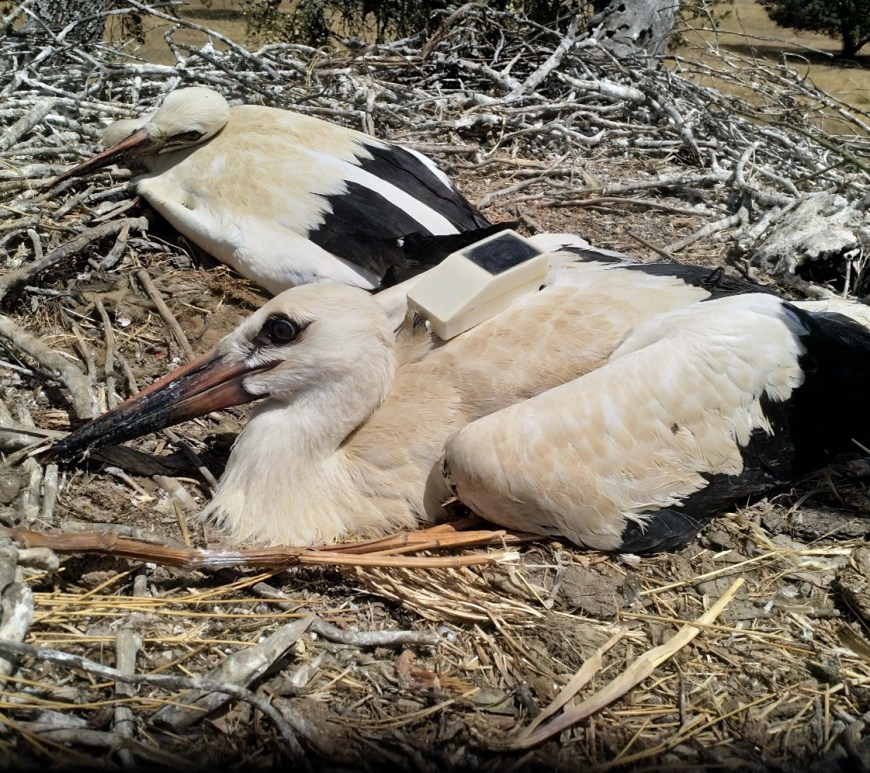
In their latest research, Will Rogers and colleagues use an age- and sex-structured simulation model to explore harvest-based management of CWD under three different transmission scenarios that all generate higher male prevalence. In many host-pathogen systems, males tend to be more diseased than females. This can be the result of many different factors such as the effects of testosterone on immune function and different social … Continue reading Not all hosts are equal: creating relevant questions for wildlife disease management

Acelerando la sucesión secundaria: uso de árboles tolerantes a la sombra para la restauración del bosque de niebla

Esta publicación de blog también está disponible en inglés aquí. Tarin Toledo-Aceves y sus colegas describen sus últimas investigaciones y la importancia de los árboles tolerantes a la sombra en los proyectos de restauración forestal Las iniciativas de reforestación y restauración comúnmente utilizan especies de árboles pioneras de rápido crecimiento. Sin embargo, un alto número de especies tolerantes a la sombra se encuentran amenazadas por … Continue reading Acelerando la sucesión secundaria: uso de árboles tolerantes a la sombra para la restauración del bosque de niebla

Accelerating secondary succession: using shade-tolerant trees for cloud forest restoration

This blog post is also available in Spanish here. Tarin Toledo-Aceves and colleagues describe their latest research and the importance of shade tolerant trees in forest restoration projects. Reforestation and restoration initiatives commonly use fast-growing pioneer tree species. However, a high number of shade-tolerant species are threatened by deforestation and overharvesting, and unlike pioneer species, they have no seed banks on the ground and are … Continue reading Accelerating secondary succession: using shade-tolerant trees for cloud forest restoration

How do you solve a problem like Molinia?

The increasing dominance of the invasive purple moor grass (Molinia caerulea) on blanket bogs is a growing threat to diversity and carbon storage. In this post, practitioners from Moors for the Future Partnership give their account of the team’s latest research attempting to reverse these effects. Reducing the domination of Molinia caerulea on blanket bogs to a more Sphagnum-rich, characteristically boggy landscape has been a … Continue reading How do you solve a problem like Molinia?

Beneficial arthropod abundance assessed by sweep-netting is negatively associated with landscape-wide insecticide use

In a new study, Bakker, Bianchi and van der Werf assess how the use of insecticides and semi-natural landscapes impact beneficial arthropods in the Netherlands. Beneficial arthropods, like predators, parasitoids and pollinators, provide important ecosystem services such as biological pest control and pollination, and are therefore vital for ecosystem health and global food production. However, concerns have risen on the widespread decline of arthropods — … Continue reading Beneficial arthropod abundance assessed by sweep-netting is negatively associated with landscape-wide insecticide use

Functional Biofilm on Intertidal Flats: A New Conservation Priority for Shorebirds

Intertidal flats are essential foraging areas for shorebirds but are severely impacted by climate and anthropogenic change. In their latest review, Kuwae and colleagues explore the effects of interventions that focus on intertidal biofilm for shorebird recovery. A version of this post is available in Japanese. Why shorebird species have been plummeting in numbers worldwide remains a subject of intense speculation and mounting conservation concern. However, … Continue reading Functional Biofilm on Intertidal Flats: A New Conservation Priority for Shorebirds

シギ・チドリ類の保全策として重要な干潟上のバイオフィルム

干潟はシギ・チドリ類にとって不可欠な採餌場であるが、気候変動や人為的影響によって深刻な影響を受けている。桑江朝比呂氏らの研究グループは、バイオフィルムに焦点を当てた干潟生態系への積極的介入によるシギ・チドリ類の回復効果について、最新の総説で探っている。A version of this post is available in English. Continue reading シギ・チドリ類の保全策として重要な干潟上のバイオフィルム

Impacting habitat connectivity of the endangered Florida panther for the transition to utility‐scale solar energy

In a new study, Leskova and colleagues examined the impacts of utility-scale solar energy (USSE) facility installations on habitat connectivity for Florida Panther within Peninsular Florida. Faced with the challenge of meeting increasing global energy demands and pressure to shift from conventional fossil fuels to renewable energy sources to mitigate climate change, the environmental trade-offs associated with renewable energy’s implementation are becoming increasingly apparent. Unfortunately, … Continue reading Impacting habitat connectivity of the endangered Florida panther for the transition to utility‐scale solar energy