Introducing the Chico Mendes Prize for the best early career practitioner

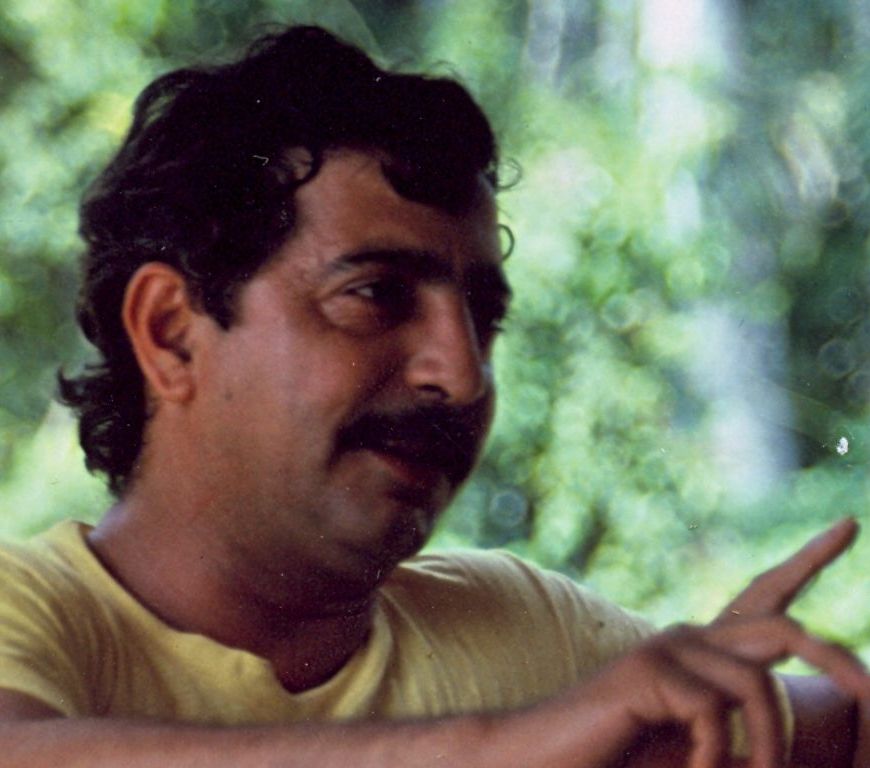
Following the announcement of the Georgina Mace Prize last week, we are delighted to announce the Chico Mendes Prize, our new biennial prize for the best Practice Insights article published by an early career practitioner in Ecological Solutions and Evidence. A version of this post is available in Portuguese. The Chico Mendes Prize will be awarded every two years to the best Practice Insights article published in … Continue reading Introducing the Chico Mendes Prize for the best early career practitioner


Cryptic floral colouration: beyond human vision.

This blog is part of our colourful countdown to the holiday season where we’re celebrating the diversity and beauty of the natural world. In this post, Caroline Dong of Tulane University unearths the diverse world of floral colouration and what we have yet to discover in these decorative but mysterious plants. Floral colouration can be a useful and predictable trait. The colouration of flowers is … Continue reading Cryptic floral colouration: beyond human vision.

Reefs don’t just look better after restoration – they also sound healthier

Conservationists are launching bold programmes to actively restore coral reefs around the world, but efforts are hampered by a lack of effective monitoring. In their latest research, Lamont and colleagues explore the use of passive acoustic monitoring for measuring the success of coral reef restoration. Co-author Ben Williams swims us through the study… Over 50% of the world’s tropical reef habitat has been lost since … Continue reading Reefs don’t just look better after restoration – they also sound healthier

Twenty years of tallgrass prairie restoration in northern Illinois, USA

Elizabeth Bach and Bill Kleiman share their latest findings from monitoring long-term ecosystem restoration on The Nature Conservancy’s Nachusa Grassland preserve. The challenges facing our planet can feel overwhelming and paralyzing. Climate is changing, biodiversity is declining, people are struggling to be in community with one another. However, there are signs of hope. The United Nations declared 2021-2030 as the Decade on Restoration, upholding ecosystem … Continue reading Twenty years of tallgrass prairie restoration in northern Illinois, USA

Introducing the Georgina Mace Prize for the best early career researcher

We are delighted to announce that the annual Ecological Solutions and Evidence prize for the best Research article in the journal by an early career researcher will be named the Georgina Mace Prize. The British Ecological Society awards an annual prize to the best research paper by an early career author in each of the Society’s journals. The winner of the Early Career Researcher Award … Continue reading Introducing the Georgina Mace Prize for the best early career researcher

Spider body coloration plays an important role in foraging and predator avoidance

This blog is part of our colourful countdown to the holiday season where we’re celebrating the diversity and beauty of the natural world. In this post, Shichang Zhang of Hubei University unravels the role of body coloration on prey capture and predator avoidance in spiders. Animals have evolved a variety of body colours during evolution. The body colour of spiders is best known for its … Continue reading Spider body coloration plays an important role in foraging and predator avoidance

Knowing where your coffee comes from has the potential to aid restoration efforts 

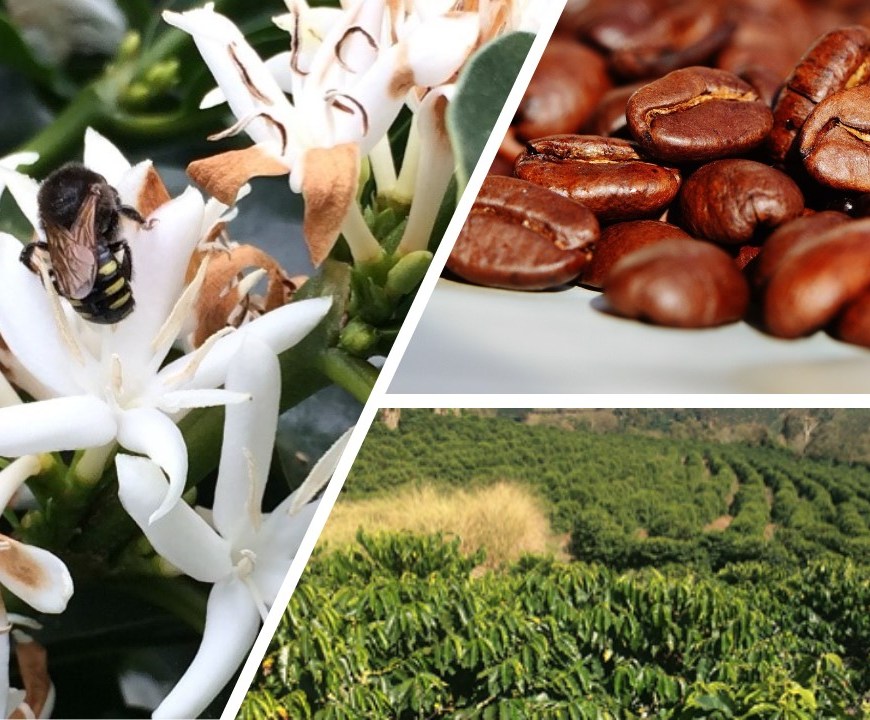
In a new study, González-Chaves and colleagues assessed pollination benefits at a national scale by identifying where pollination services are more likely to be provided by native bees as a result of forest conservation. Coffee is a highly traded crop, which is produced in the tropics and enjoyed across the globe. Like most crops, coffee benefits from pollination services. However, this is rarely considered by … Continue reading Knowing where your coffee comes from has the potential to aid restoration efforts 

Protecting an iconic desert one pixel at a time

When dealing with highly invasive plants in fragile ecosystems, managers need effective management tools to prioritize their time and efforts. In their recently published Data Article, Gerst and colleagues describe a new tool by the USA National Phenology Network to help invasive buffelgrass managers efficiently schedule herbicide treatment efforts. The Sonoran Desert, which covers the southern half of the Arizona, southeastern California, and large portions … Continue reading Protecting an iconic desert one pixel at a time

¿Qué determina la abundancia de plagas en trigo y sus enemigos naturales?

Esta publicación de blog también está disponible en inglés. Los enemigos naturales de las plagas, incluidos los predadores como las larvas de crisopas y sírfidos y las avispas parasitoides, brindan el servicio ecosistémico de control biológico de plagas. Diseñar paisajes agrícolas que promuevan este servicio es uno de los principales objetivos de la intensificación ecológica de la agricultura. Sin embargo, esto puede ser un desafío … Continue reading ¿Qué determina la abundancia de plagas en trigo y sus enemigos naturales?

Ecological requirements drive the variable responses of wheat pests and natural enemies to the landscape context

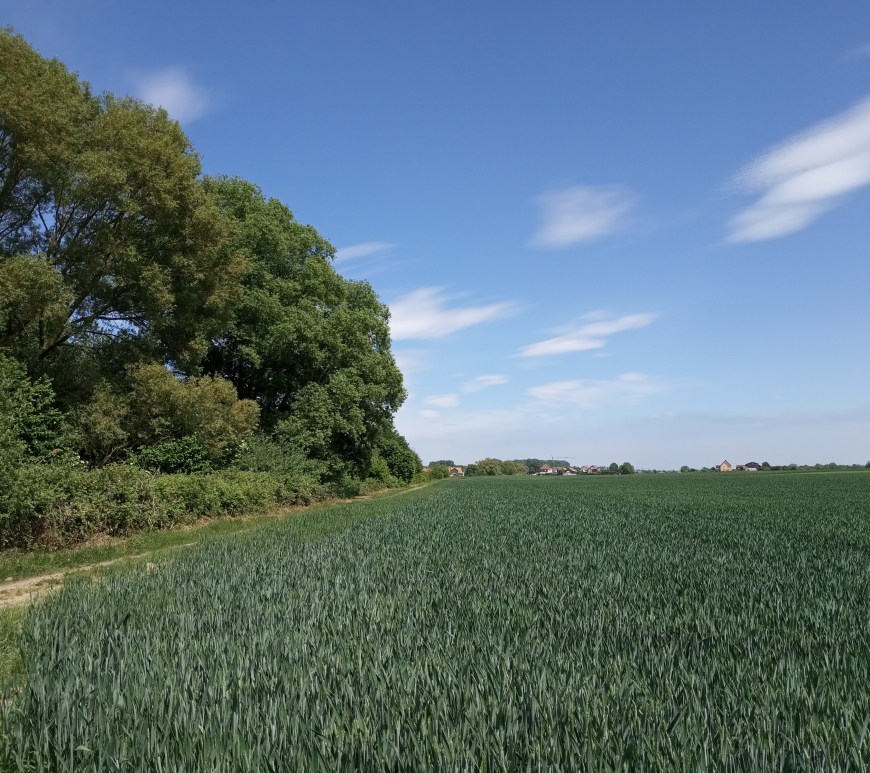
This blog post is also available in Spanish. Semi-natural habitats (SNH) are considered essential for pest-suppressive landscapes, but their influence on crop pests and natural enemies can be highly variable. In their latest research, González and colleagues assessed the responses of multiple insect pests and natural enemies in wheat fields to landscape context and flower availability. Natural enemies of crop pests, including predators such as … Continue reading Ecological requirements drive the variable responses of wheat pests and natural enemies to the landscape context