Beneficial arthropod abundance assessed by sweep-netting is negatively associated with landscape-wide insecticide use

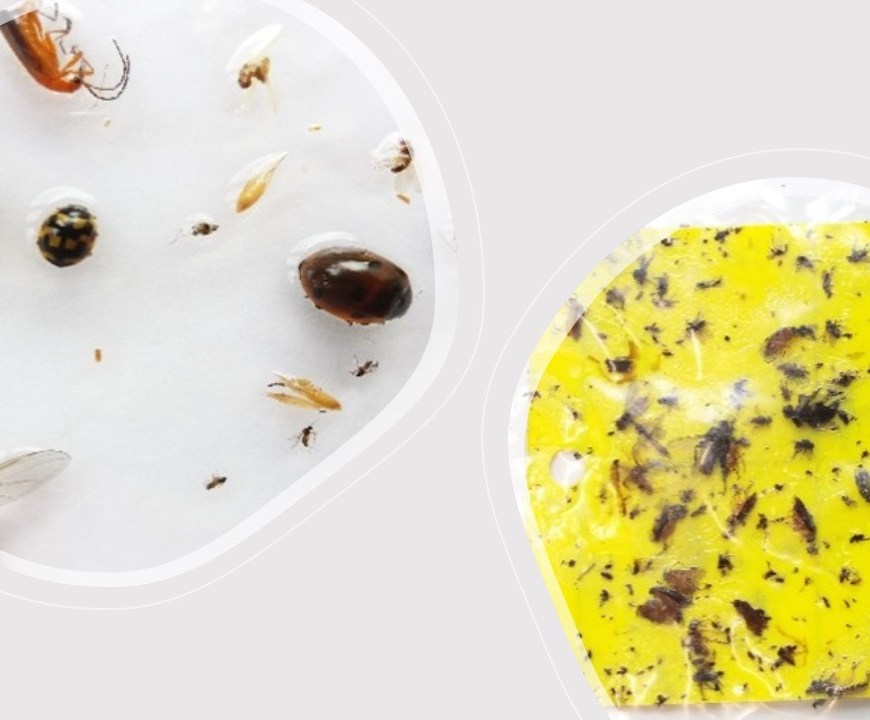
In a new study, Bakker, Bianchi and van der Werf assess how the use of insecticides and semi-natural landscapes impact beneficial arthropods in the Netherlands. Beneficial arthropods, like predators, parasitoids and pollinators, provide important ecosystem services such as biological pest control and pollination, and are therefore vital for ecosystem health and global food production. However, concerns have risen on the widespread decline of arthropods — … Continue reading Beneficial arthropod abundance assessed by sweep-netting is negatively associated with landscape-wide insecticide use

Evaluierung von GAP-Wildpflanzenblühstreifen: Hochwertige Saatgutmischungen erhöhen die Pflanzenvielfalt und die damit verbundenen Pollen- und Nektarressourcen auf Ackerflächen erheblich

Dieser Beitrag ist hier auch auf Englisch verfügbar In ihrer neuen Studie untersuchten Schmidt et al., die Wirksamkeit von Wildblumenstreifen, die im Rahmen der EU Agrarumweltprogramme eingeführt wurden Blühstreifen sind ein wesentlicher Bestandteil der Agrarumwelt- und Klimamaßnahmen (AUKM), die von der Europäischen Union eingeführt wurden, um dem Verlust der biologischen Vielfalt und der damit verbundenen Ökosystemleistungen in der Agrarlandschaft entgegenzuwirken. Mehrjährige Blühstreifen werden einmalig zu Beginn … Continue reading Evaluierung von GAP-Wildpflanzenblühstreifen: Hochwertige Saatgutmischungen erhöhen die Pflanzenvielfalt und die damit verbundenen Pollen- und Nektarressourcen auf Ackerflächen erheblich

Evaluating CAP wildflower strips: high-quality seed mixtures significantly improve plant diversity and related pollen and nectar resources

This post is also available in German here In their new study, Schmidt and colleagues investigate the effectiveness of wildflower strips introduced under the European Union’s Agri-Environment Schemes Flower strips are a fundamental part of agri-environment schemes (AES) introduced by the European Union to counteract the loss of biodiversity and related ecosystem services in agricultural landscapes. At the beginning of every funding period (approx. 5 … Continue reading Evaluating CAP wildflower strips: high-quality seed mixtures significantly improve plant diversity and related pollen and nectar resources

Reintroducing Grazing in California’s Vernal Pools—Can we reverse the effects of past management?

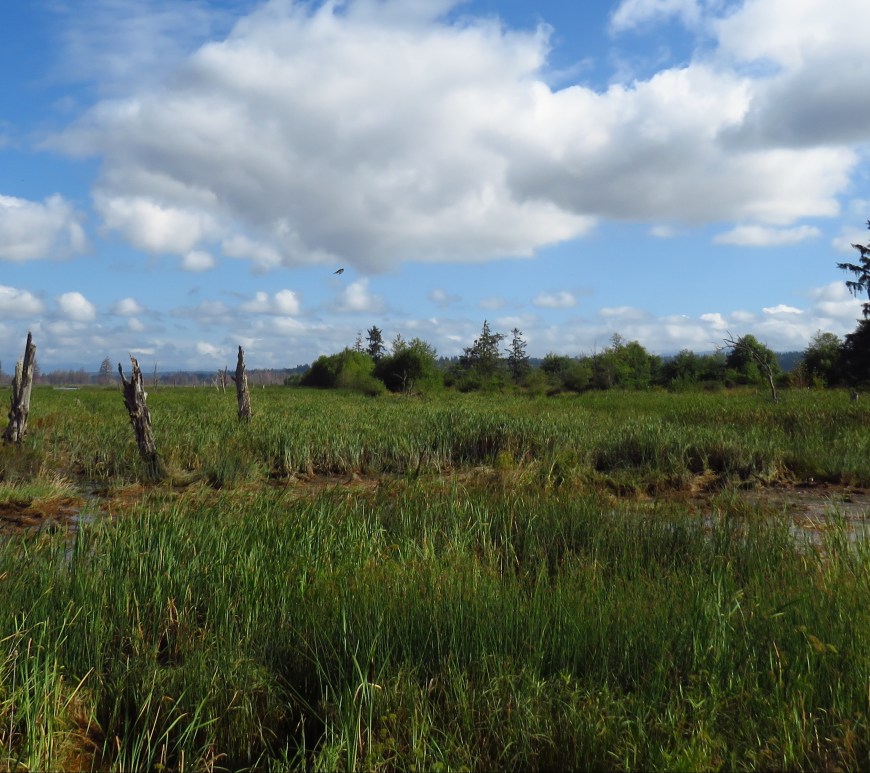
In disturbance-adapted ecosystems, the removal of disturbance can lead to losses of diversity and sometimes irreversible changes in community composition. In their latest research, Michaels and colleagues identify the thresholds at which changes occur and explore the reversibility of these shifts in a vernal pool ecosystem in Northern California. If you head out in search of one of California’s famous vernal pools, you’ll have to … Continue reading Reintroducing Grazing in California’s Vernal Pools—Can we reverse the effects of past management?

The hidden benefits of chocolate: cacao agroforests offer a conservation solution that supports biodiversity and livelihoods.

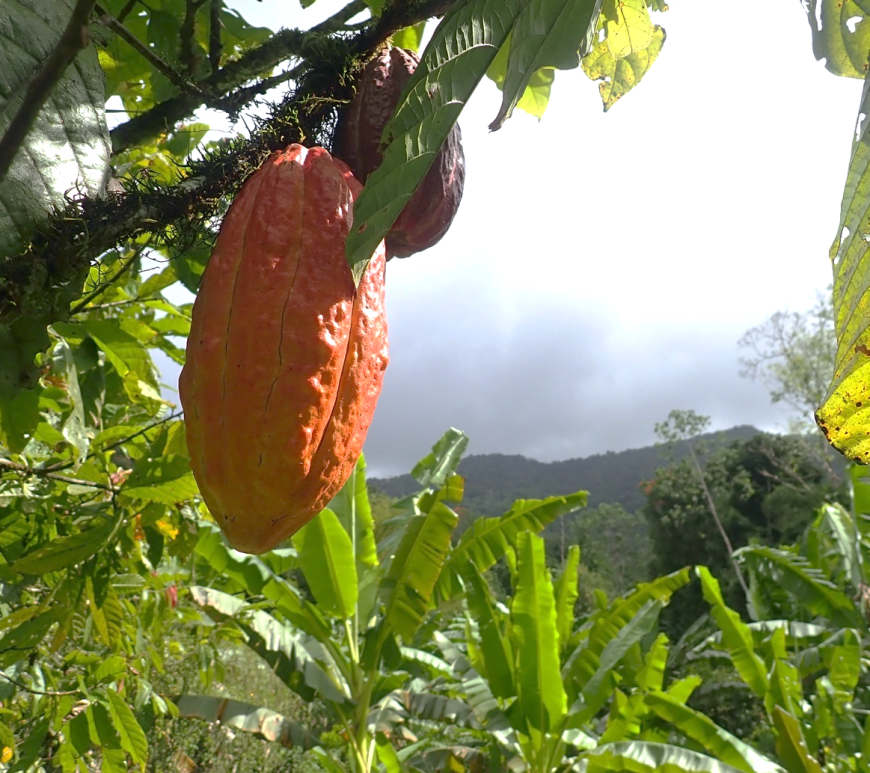
New work by Arnold and colleagues shows that sustainably grown cacao is a conservation solution which can support both people and nature, and that cacao agroforests and secondary forest can enrich regional biodiversity. Conservation initiatives have traditionally focused on protecting untouched natural areas. While this is important, we also need to understand how biodiversity can be promoted not as an alternative to human use of … Continue reading The hidden benefits of chocolate: cacao agroforests offer a conservation solution that supports biodiversity and livelihoods.

Simple, low-cost tools can mitigate the negative impacts of climate change on incubating sea turtle clutches.

Successful incubation and production of male sea turtle hatchlings is threatened by increased global temperatures. In their latest research, Clarke and colleagues test the efficacy of two potential nest intervention approaches in reducing nest incubation temperatures in a nesting loggerhead turtle population in the Eastern Atlantic Ocean. Sea Turtles Are Vulnerable to Climate Change The Intergovernmental Panel on Climate Change (IPCC) predicts increases in global mean … Continue reading Simple, low-cost tools can mitigate the negative impacts of climate change on incubating sea turtle clutches.

Investigating the effects of fire management on savanna biodiversity with grid‐based spatially explicit population simulations

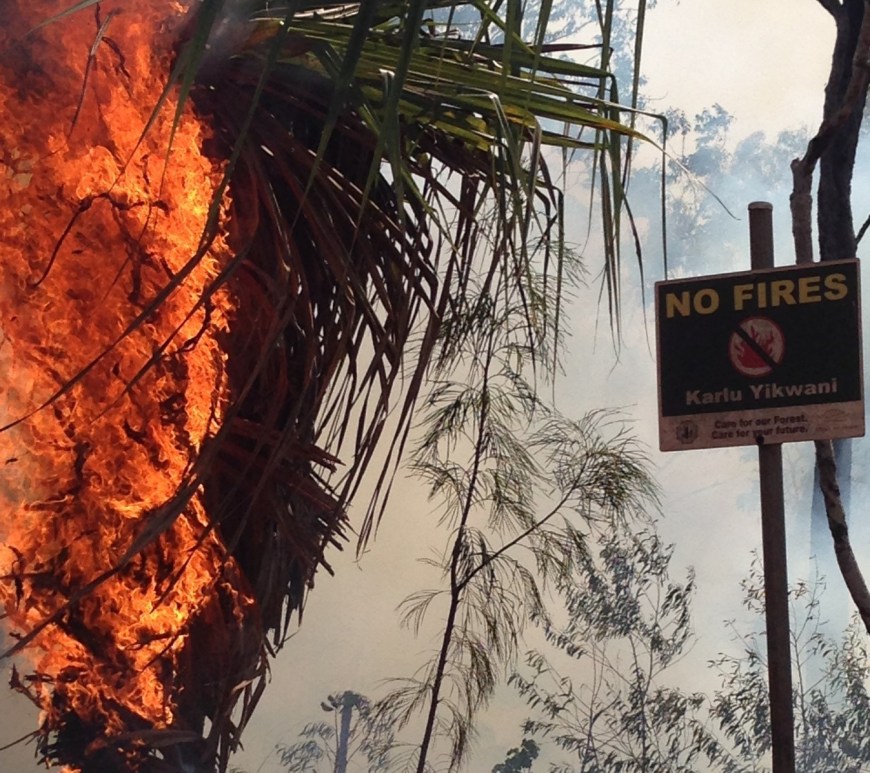
The development of effective fire management regimes is a global challenge. New research from Davies and colleagues aims to develop a flexible modelling approach to investigate how the spatiotemporal application of fire influences savanna biodiversity. Despite the integral role that fire plays in the functioning of ecosystems around the world, there remain few areas where the occurrence of fire has not been disrupted, in some … Continue reading Investigating the effects of fire management on savanna biodiversity with grid‐based spatially explicit population simulations

Can forest remnants in oil palm act as microclimate oases for biodiversity?

There is growing interest in the ecological value of set‐aside habitats around rivers in tropical agriculture. In their latest research, Williamson and colleagues investigate the capacity for riparian buffers to act as microclimatic refugia across an oil palm dominated landscape in Borneo. In many ways, oil palm is a miracle crop – it is vastly more productive than its temperate and tropical counterparts and is … Continue reading Can forest remnants in oil palm act as microclimate oases for biodiversity?

How does replanting of oil palm plantations affect arthropod biodiversity?

Palm oil plantations require replanting every twenty to thirty years but its effects on biodiversity are widely understudied. In their latest research, Pashkevich and colleagues assess the impact of replanting on arthropod communities in an industrial plantation. Biodiversity in oil palm plantations Oil palm plantations are often in areas that were once tropical rainforests, and this conversion has resulted in widespread declines in biodiversity and … Continue reading How does replanting of oil palm plantations affect arthropod biodiversity?

Biodiversity in West African parklands promotes pollination of shea

With demand on shea parklands increasing, Aoife Delaney and colleagues explore the pollination services to shea and how we can better support this resource of both ecological and economic importance. Their new research was recently published in Journal of Applied Ecology. Shea parklands occupy over 1 million km2 in the Sudano-Sahelian semi-arid zone of sub-Saharan Africa, from Senegal in the west to Uganda in the … Continue reading Biodiversity in West African parklands promotes pollination of shea