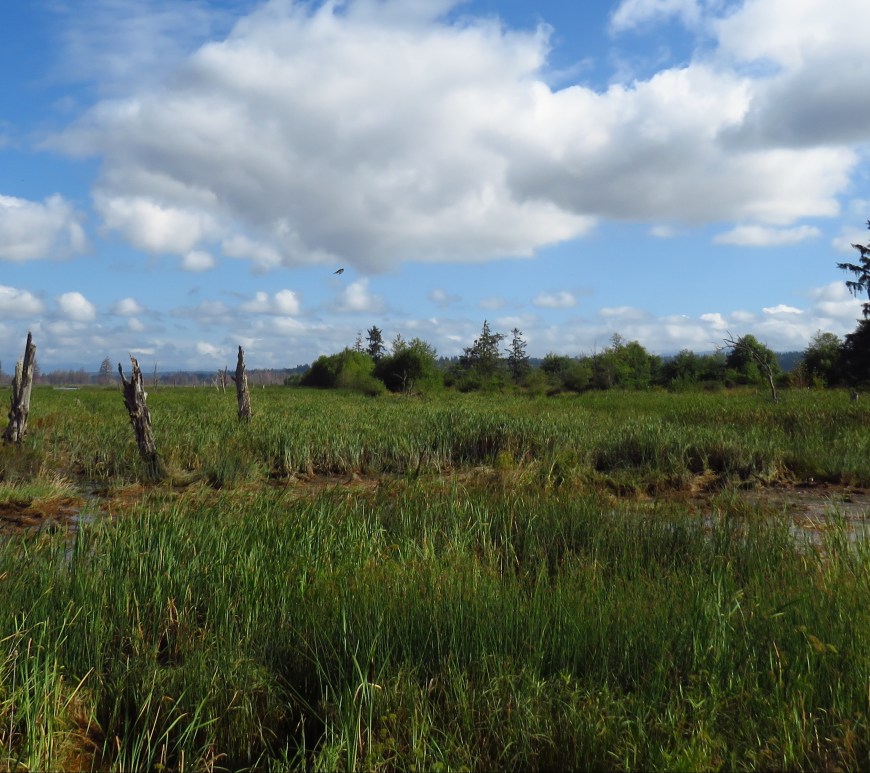
Apakah upaya restorasi lahan gambut untuk mengatasi kebakaran dan kabut asap di Indonesia mempengaruhi keanekaragaman hayati dan hasil kelapa sawit di perkebunan rakyat?

Posting ini juga tersedia dalam bahasa Inggris di sini. Drainase lahan gambut untuk memungkinkan budidaya tanaman perkebunan, termasuk kelapa sawit, sebelumnya telah dikaitkan dengan bencana kebakaran dan kabut asap, yang menyebabkan kematian, penyakit, dan kerugian finansial. Dalam penelitian terbaru mereka, Warren-Thomas dan rekan mencari tahu apakah inisiatif restorasi gambut mempengaruhi hubungan timbal-balik antara keanekaragaman hayati dan hasil kelapa sawit di perkebunan rakyat. Lahan gambut tropis … Continue reading Apakah upaya restorasi lahan gambut untuk mengatasi kebakaran dan kabut asap di Indonesia mempengaruhi keanekaragaman hayati dan hasil kelapa sawit di perkebunan rakyat?

Do peatland restoration efforts to tackle fires and haze in Indonesia affect biodiversity and oil palm yields on smallholder farms?

This post is also available in Indonesian here. Drainage of peatlands in Indonesia to enable cultivation of plantation crops, including oil palm, has previously been linked to catastrophic fires and toxic haze, causing deaths, illness, and financial losses. In their latest research, Warren-Thomas and colleagues find out whether peat restoration initiatives affect trade-offs between biodiversity and oil palm yields on smallholder farms. Tropical peatlands – … Continue reading Do peatland restoration efforts to tackle fires and haze in Indonesia affect biodiversity and oil palm yields on smallholder farms?

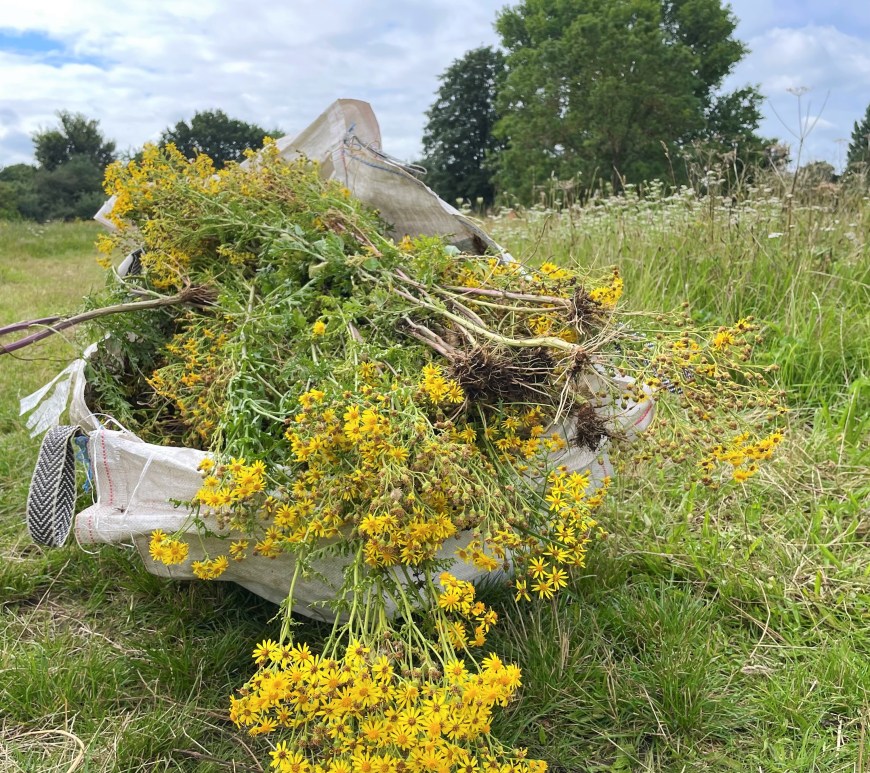
The Disproportionate Value of ‘Weeds’ to Pollinators and Biodiversity

In their latest research, Nicholas Balfour and Francis Ratnieks use multiple datasets to compare the biodiversity value of the plant species classified as ‘injurious weeds’ by the UK’s 1959 Weeds Act, with those species stipulated by DEFRA for pollinator targeted agri-environmental options. In the UK, five species of native wildflowers are classified as “injurious weeds” in the 1959 Weeds Act. Three of them are frequently … Continue reading The Disproportionate Value of ‘Weeds’ to Pollinators and Biodiversity

Acelerando la sucesión secundaria: uso de árboles tolerantes a la sombra para la restauración del bosque de niebla

Esta publicación de blog también está disponible en inglés aquí. Tarin Toledo-Aceves y sus colegas describen sus últimas investigaciones y la importancia de los árboles tolerantes a la sombra en los proyectos de restauración forestal Las iniciativas de reforestación y restauración comúnmente utilizan especies de árboles pioneras de rápido crecimiento. Sin embargo, un alto número de especies tolerantes a la sombra se encuentran amenazadas por … Continue reading Acelerando la sucesión secundaria: uso de árboles tolerantes a la sombra para la restauración del bosque de niebla

Accelerating secondary succession: using shade-tolerant trees for cloud forest restoration

This blog post is also available in Spanish here. Tarin Toledo-Aceves and colleagues describe their latest research and the importance of shade tolerant trees in forest restoration projects. Reforestation and restoration initiatives commonly use fast-growing pioneer tree species. However, a high number of shade-tolerant species are threatened by deforestation and overharvesting, and unlike pioneer species, they have no seed banks on the ground and are … Continue reading Accelerating secondary succession: using shade-tolerant trees for cloud forest restoration

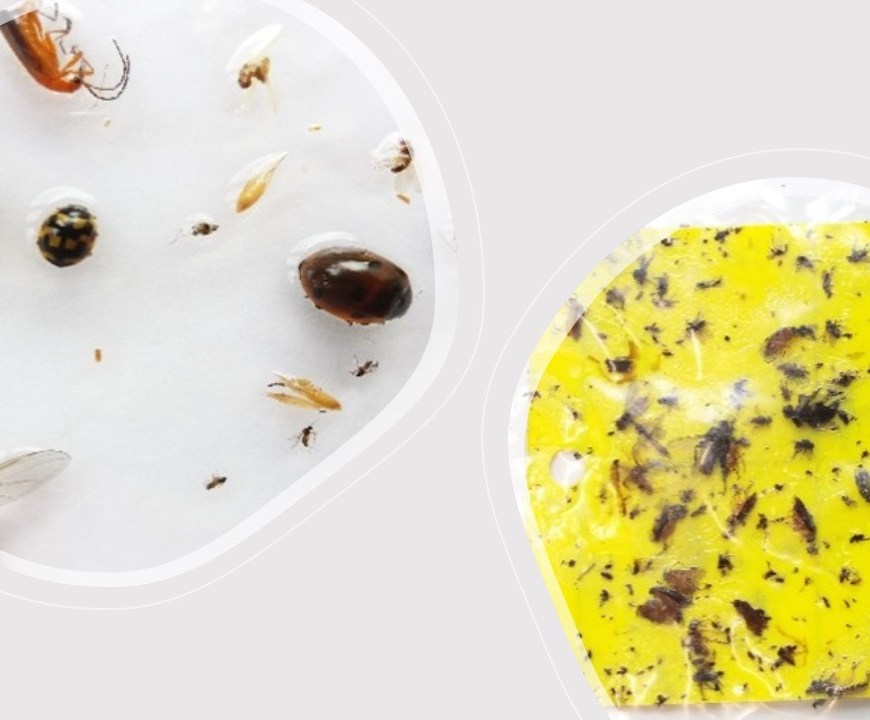
Beneficial arthropod abundance assessed by sweep-netting is negatively associated with landscape-wide insecticide use

In a new study, Bakker, Bianchi and van der Werf assess how the use of insecticides and semi-natural landscapes impact beneficial arthropods in the Netherlands. Beneficial arthropods, like predators, parasitoids and pollinators, provide important ecosystem services such as biological pest control and pollination, and are therefore vital for ecosystem health and global food production. However, concerns have risen on the widespread decline of arthropods — … Continue reading Beneficial arthropod abundance assessed by sweep-netting is negatively associated with landscape-wide insecticide use

Evaluierung von GAP-Wildpflanzenblühstreifen: Hochwertige Saatgutmischungen erhöhen die Pflanzenvielfalt und die damit verbundenen Pollen- und Nektarressourcen auf Ackerflächen erheblich

Dieser Beitrag ist hier auch auf Englisch verfügbar In ihrer neuen Studie untersuchten Schmidt et al., die Wirksamkeit von Wildblumenstreifen, die im Rahmen der EU Agrarumweltprogramme eingeführt wurden Blühstreifen sind ein wesentlicher Bestandteil der Agrarumwelt- und Klimamaßnahmen (AUKM), die von der Europäischen Union eingeführt wurden, um dem Verlust der biologischen Vielfalt und der damit verbundenen Ökosystemleistungen in der Agrarlandschaft entgegenzuwirken. Mehrjährige Blühstreifen werden einmalig zu Beginn … Continue reading Evaluierung von GAP-Wildpflanzenblühstreifen: Hochwertige Saatgutmischungen erhöhen die Pflanzenvielfalt und die damit verbundenen Pollen- und Nektarressourcen auf Ackerflächen erheblich

Evaluating CAP wildflower strips: high-quality seed mixtures significantly improve plant diversity and related pollen and nectar resources

This post is also available in German here In their new study, Schmidt and colleagues investigate the effectiveness of wildflower strips introduced under the European Union’s Agri-Environment Schemes Flower strips are a fundamental part of agri-environment schemes (AES) introduced by the European Union to counteract the loss of biodiversity and related ecosystem services in agricultural landscapes. At the beginning of every funding period (approx. 5 … Continue reading Evaluating CAP wildflower strips: high-quality seed mixtures significantly improve plant diversity and related pollen and nectar resources

Reintroducing Grazing in California’s Vernal Pools—Can we reverse the effects of past management?

In disturbance-adapted ecosystems, the removal of disturbance can lead to losses of diversity and sometimes irreversible changes in community composition. In their latest research, Michaels and colleagues identify the thresholds at which changes occur and explore the reversibility of these shifts in a vernal pool ecosystem in Northern California. If you head out in search of one of California’s famous vernal pools, you’ll have to … Continue reading Reintroducing Grazing in California’s Vernal Pools—Can we reverse the effects of past management?

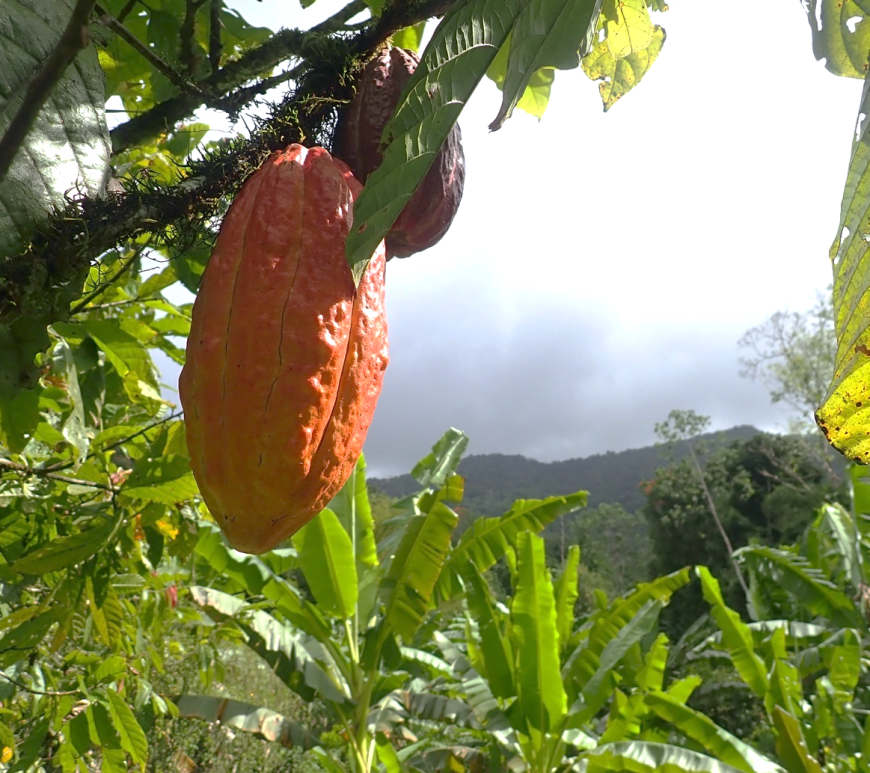
The hidden benefits of chocolate: cacao agroforests offer a conservation solution that supports biodiversity and livelihoods.

New work by Arnold and colleagues shows that sustainably grown cacao is a conservation solution which can support both people and nature, and that cacao agroforests and secondary forest can enrich regional biodiversity. Conservation initiatives have traditionally focused on protecting untouched natural areas. While this is important, we also need to understand how biodiversity can be promoted not as an alternative to human use of … Continue reading The hidden benefits of chocolate: cacao agroforests offer a conservation solution that supports biodiversity and livelihoods.