Mendukung kupu-kupu di perkebunan kelapa sawit milik petani kecil

Martina Harianja membahas penelitian terbaru tentang kumpulan kupu-kupu yang merinci bagaimana, bersama rekan-rekannya, mereka mencatat lebih dari 1200 kupu-kupu di 27 perkebunan kelapa sawit yang berbeda. Temuan menunjukkan bahwa peremajaan kelapa sawit dan pilihan mono atau polikultur memiliki efek yang relatif kecil pada kupu-kupu. Namun, manajemen untuk fitur spesifik di perkebunan dapat menguntungkan kumpulan kupu-kupu. Continue reading Mendukung kupu-kupu di perkebunan kelapa sawit milik petani kecil

Supporting butterflies within smallholding oil palm plantations

Martina Harianja discusses the latest research into butterfly assemblages detailing how, alongside colleagues, they recorded over 1200 butterflies across 27 different oil palm plantations. Findings suggest that replanting oil palm and choice of mono or polyculture had relatively few effects on butterflies. However, management for specific features in plantations could benefit butterfly assemblages. Continue reading Supporting butterflies within smallholding oil palm plantations

Menyokong rama-rama dalam ladang kelapa sawit pekebun kecil

Martina Harianja membincangkan penyelidikan terkini mengenai perhimpunan rama-rama yang memperincikan bagaimana, bersama rakan sekerja, mereka merekodkan lebih 1200 rama-rama di 27 ladang kelapa sawit yang berbeza. Penemuan menunjukkan bahawa penanaman semula kelapa sawit dan pilihan mono atau polikultur mempunyai sedikit kesan pada rama-rama. Walau bagaimanapun, pengurusan untuk ciri-ciri tertentu di ladang boleh memberi manfaat kepada pemasangan rama-rama. Continue reading Menyokong rama-rama dalam ladang kelapa sawit pekebun kecil

A decadal study reveals that restoration guided by an umbrella species does not reach target levels

Author Albin Larsson Ekström discusses how their latest research evaluates the decadal effects of restoration aimed at the white-backed woodpecker on the biodiversity of saproxylic beetles. The study suggests that, for restoration to be successful, both continuous and repeated restoration efforts are needed. Restoration guided by the umbrella species concept A long history of intensive forest management has transformed the forests of Sweden into well-managed … Continue reading A decadal study reveals that restoration guided by an umbrella species does not reach target levels

Restoring Landscapes: Cairngorms Connect – a wild landscape in the making

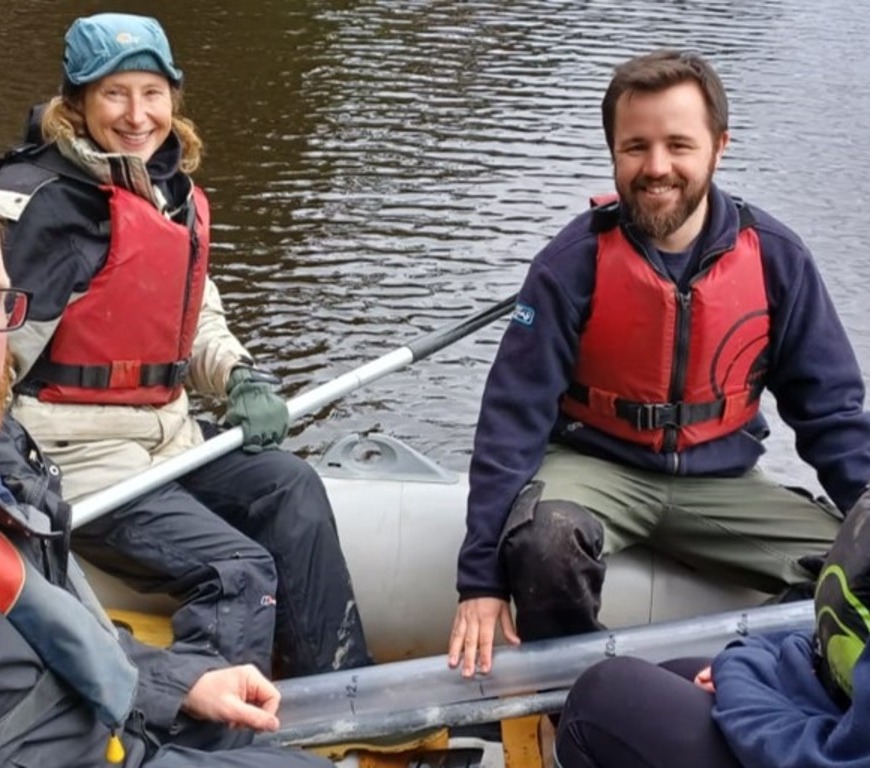
In this new series, we hope to promote knowledge exchange in restoration and invite restoration practitioners to share their stories: successes, failures, implementation of learnings from other places and anything in between! To kick off the series, Sydney Henderson and Dr Pip Gullett share their story from Cairngorms Connect. Cairngorms Connect is a partnership of neighbouring land managers, committed to a bold and ambitious 200-year … Continue reading Restoring Landscapes: Cairngorms Connect – a wild landscape in the making

Strengthening skills for sustainability: Implications for ecology and ecologists

The Centre for Environment and Sustainability (CES) and the Institute for Sustainability at the University of Surrey were delighted that this years’ Annual Roland Clift Lecture was given by Gary Kass. In this special post, Gary Kass shares his insights on the capacities and competencies needed for environment and sustainability. Until October 2023, Gary Kass was Deputy Director for Foresight and Innovation at Natural England… Continue reading Strengthening skills for sustainability: Implications for ecology and ecologists

Editor’s Choice 60:11 Woodland Expansion in the Presence of Deer

Pip Gullet, Mark Hancock and Sydney Henderson summarise the Journal of Applied Ecology’s November’s Editor’s Choice research article. This study presents 30 years of regeneration monitoring to show a consistent, large-scale expansion of native woodland, largely through natural regeneration alongside deer culling, without the use of fences. Continue reading Editor’s Choice 60:11 Woodland Expansion in the Presence of Deer

Predicting dispersal and conflict risk for wolf recolonisation in Colorado

Mark Ditmer discusses his and colleagues’ new research which aims to predict wolf movement and potential conflict hotspots following the state of Colorado’s decision to reintroduce gray wolves. This data may be used to offer practical, actionable recommendations for decision-makers. Animal movement and conflict risk Species’ ranges are shifting – and accurately predicting the way species disperse in novel areas can greatly enhance conservation efforts. … Continue reading Predicting dispersal and conflict risk for wolf recolonisation in Colorado

Fauna sentinela: como o seguimento por GPS de espécies necrófagas fornece informação sobre o cumprimento dos regulamentos de gestão de cadáveres

Patrícia Mateo Tomás fala-nos do novo estudo que visa avaliar como o rastreio remoto da vida selvagem pode contribuir para uma melhor monitorização das leis ambientais. Através do rastreamento experimental de lobos e abutres via GPS, os pesquisadores conseguiram localizar um total de 489 carcaças de gado em Espanha e Portugal. Continue reading Fauna sentinela: como o seguimento por GPS de espécies necrófagas fornece informação sobre o cumprimento dos regulamentos de gestão de cadáveres

Fauna centinela: cómo el seguimiento GPS de especies necrófagas informa el cumplimiento de la normativa de gestión de carroñas

Patricia Mateo Tomás nos habla sobre el nuevo estudio de ella y sus colegas que tiene como objetivo evaluar cómo el seguimiento remoto de la vida silvestre puede contribuir a un mejor monitoreo de las leyes ambientales. A través del seguimiento experimental de lobos y buitres a través de GPS, los investigadores pudieron localizar un total de 489 cadáveres de ganado en España y Portugal. Continue reading Fauna centinela: cómo el seguimiento GPS de especies necrófagas informa el cumplimiento de la normativa de gestión de carroñas