Come migliorare la stima dell’abbondanza locale dei pesci costieri del Mediterraneo

Stimare quanti pesci vivono nelle aree costiere è fondamentale per proteggere gli ecosistemi marini e gestire le risorse in modo sostenibile. In questo studio, mettiamo in evidenza che il DNA presente nell’acqua di mare può aiutare a stimare meglio l’abbondanza dei pesci. Infatti, contare i pesci non è sempre facile. I metodi tradizionali, come quelli basati su catture di pesca, possono essere costosi, distruttivi o … Continue reading Come migliorare la stima dell’abbondanza locale dei pesci costieri del Mediterraneo


Mejorando las estimaciones de la abundancia de los peces costeros del Mediterráneo

Conocer cuántos peces hay en nuestras costas es esencial para proteger los ecosistemas marinos y asegurar una gestión sostenible de los recursos. En este estudio, demostramos que el ADN que hay en agua de mar puede ser una herramienta clave para ayudar a predecir mejor la abundancia de dichos peces. Contar peces no siempre es tarea fácil. Los métodos tradicionales, como la pesca, pueden ser … Continue reading Mejorando las estimaciones de la abundancia de los peces costeros del Mediterráneo

Comment mieux estimer l’abondance locale des poissons côtiers de Méditerranée

Estimer combien de poissons vivent dans les zones côtières est essentiel pour protéger les écosystèmes marins et gérer durablement les ressources. Dans cette étude, nous montrons que l’ADN présent dans l’eau de mer peut aider à mieux prédire l’abondance des poissons. En effet, compter les poissons n’est pas toujours simple. Les méthodes classiques, comme les captures de pêche, peuvent être coûteuses, destructrices ou difficiles à … Continue reading Comment mieux estimer l’abondance locale des poissons côtiers de Méditerranée

How to better estimate local abundance of Mediterranean coastal fish

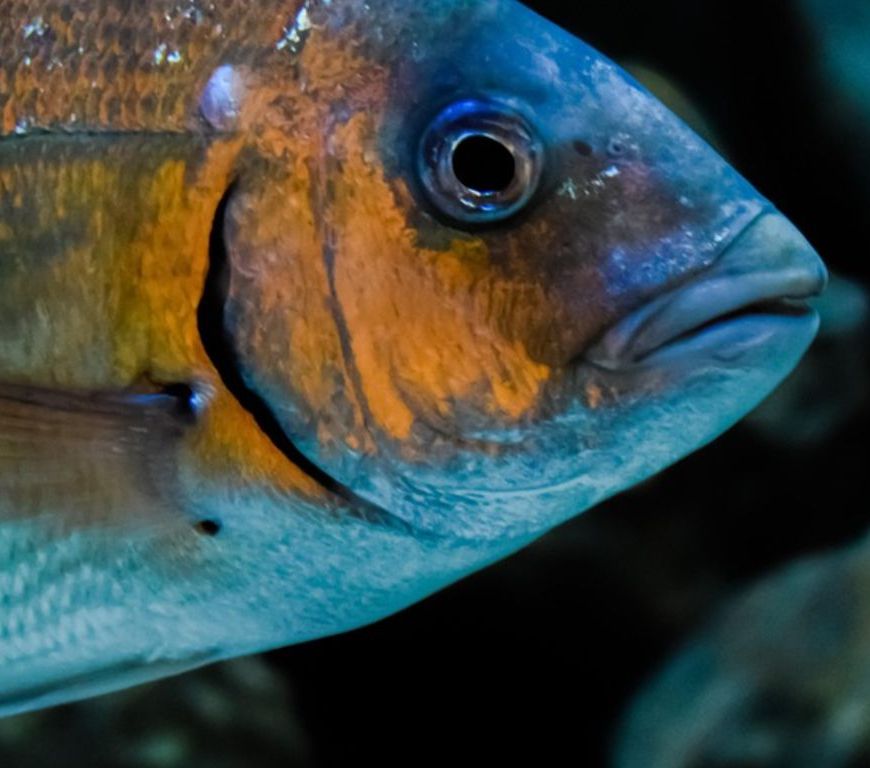
Estimating how many fish live in coastal areas is essential for protecting marine ecosystems and managing resources sustainably. In this study, we show that DNA present in seawater can help better predict fish abundance. Indeed, counting fish is not always easy. Traditional methods, such as fishing catches, can be costly, destructive, or difficult to implement in certain protected or dangerous areas. A recent method involves … Continue reading How to better estimate local abundance of Mediterranean coastal fish

Ecological Solutions and Evidence Prize 2020: early career researcher winner announced

We’re excited to announce Christina Service as the winner of the inaugural Ecological Solutions and Evidence Prize, celebrating the best Research Article in the journal by an author at the start of their career. Winner: Christina Service Research: “Spatial patterns and rarity of the white‐phased ‘Spirit bear’ allele reveal gaps in habitat protection” About the research While the American black bear (Ursus americanus) is a … Continue reading Ecological Solutions and Evidence Prize 2020: early career researcher winner announced

New study reveals rarity of the Spirit Bear and gaps in their protection in Canada’s Great Bear Rainforest

In their latest research, Service and colleagues map the distribution and frequency of the ‘Spirit bear’ allele to support conservation planning of these culturally important phenotypic variants. Author Christina Service shares her team’s findings below. Continue reading New study reveals rarity of the Spirit Bear and gaps in their protection in Canada’s Great Bear Rainforest

The bear necessities of grizzly bear population recovery in Alberta, Canada

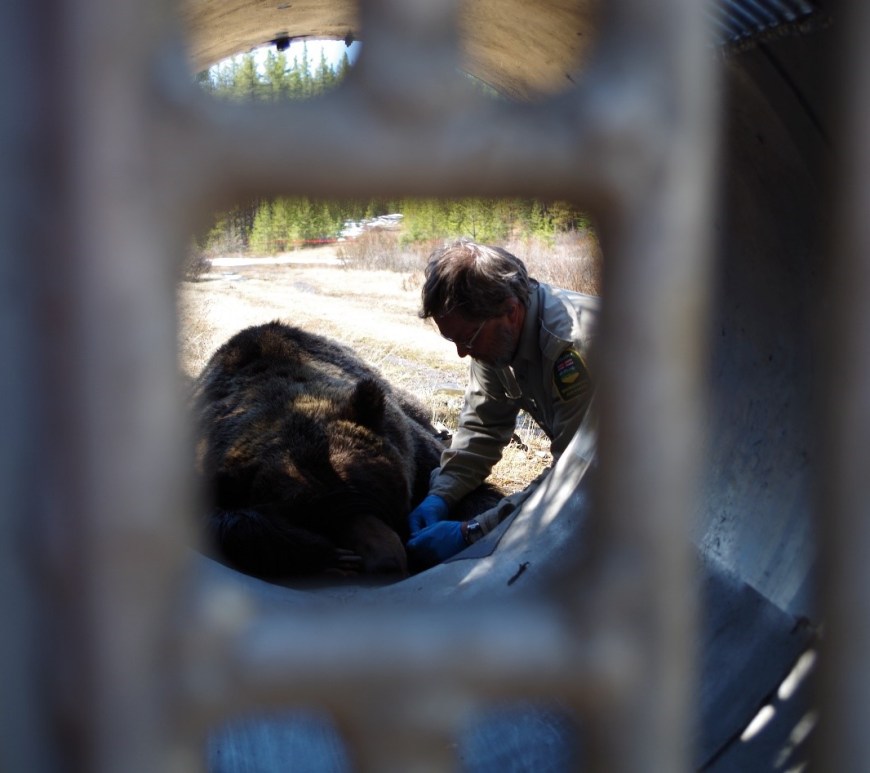
In our latest Practitioner’s Perspective, Towards grizzly bear population recovery in a modern landscape, Sean Coogan explains how new, multi-disciplinary approaches are being used to protect Canada’s threatened grizzly bears. The management and conservation of large carnivores can be socially controversial and politically charged. To make matters more complicated, the data required to make effective scientifically-informed management decisions may be lacking, or extremely difficult to … Continue reading The bear necessities of grizzly bear population recovery in Alberta, Canada