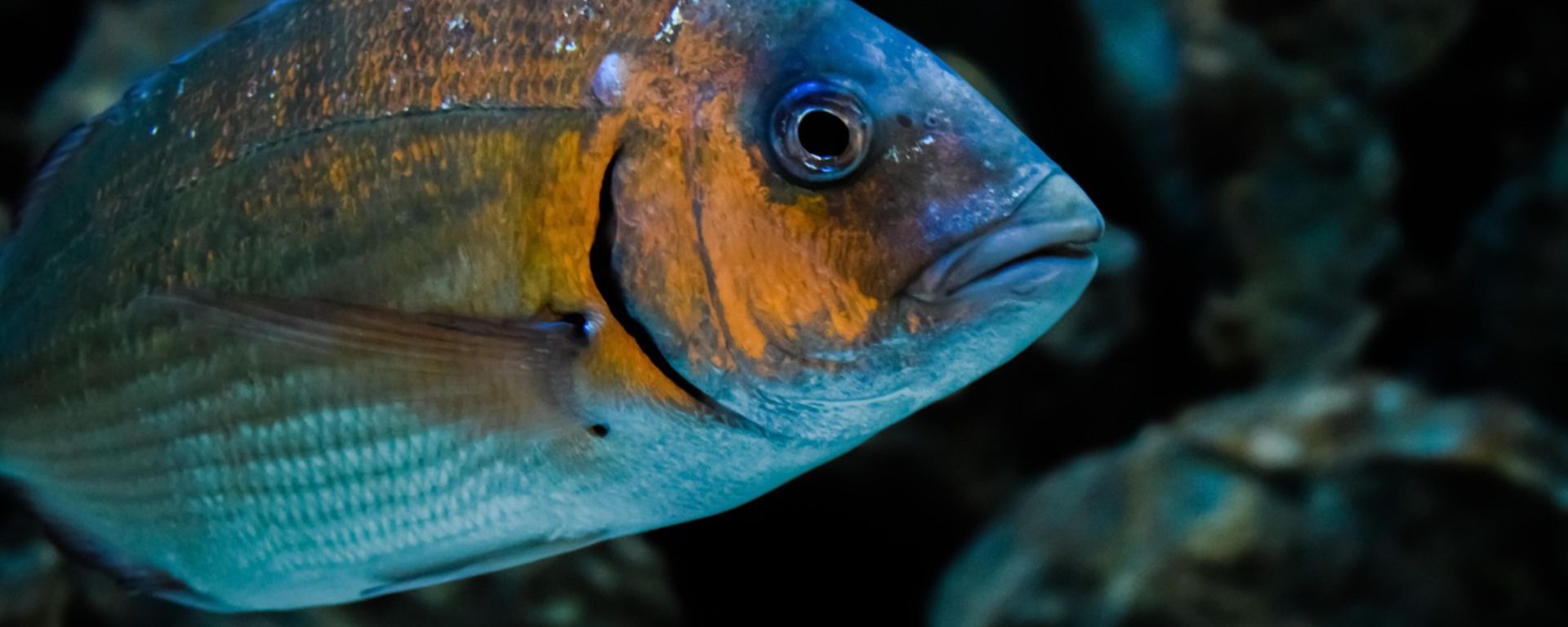
Estimating how many fish live in coastal areas is essential for protecting marine ecosystems and managing resources sustainably. In this study, we show that DNA present in seawater can help better predict fish abundance.
Indeed, counting fish is not always easy. Traditional methods, such as fishing catches, can be costly, destructive, or difficult to implement in certain protected or dangerous areas. A recent method involves analyzing environmental DNA (eDNA). When fish move, they leave behind small traces of DNA from their skin, mucus, or waste. By filtering seawater and analyzing these traces, it is possible to detect species presence without needing to observe them directly.
However, the amount of DNA found in the water does not directly correspond to the abundance of fish. In this study, we therefore adopted a different approach. Rather than using eDNA to count fish, we used it to describe the ecosystem in which they live, and combined this with underwater counts by divers. We then used environmental data, such as sea temperature, habitat type, or the protection status of sites, in order to estimate fish abundance in areas where divers cannot always conduct observations.

Our results show that this approach significantly improves the ability of models to explain variations in fish abundance between Mediterranean coastal sites. This suggests that eDNA captures important ecological information, particularly about the role of elusive species, such as the Mediterranean moray, a nocturnal predator that hides in the rocks.
By combining eDNA with traditional monitoring methods, it would be possible to improve biodiversity monitoring and help better manage marine ecosystems, particularly in coastal habitats and marine protected areas.

