Come migliorare la stima dell’abbondanza locale dei pesci costieri del Mediterraneo

Stimare quanti pesci vivono nelle aree costiere è fondamentale per proteggere gli ecosistemi marini e gestire le risorse in modo sostenibile. In questo studio, mettiamo in evidenza che il DNA presente nell’acqua di mare può aiutare a stimare meglio l’abbondanza dei pesci. Infatti, contare i pesci non è sempre facile. I metodi tradizionali, come quelli basati su catture di pesca, possono essere costosi, distruttivi o … Continue reading Come migliorare la stima dell’abbondanza locale dei pesci costieri del Mediterraneo

Mejorando las estimaciones de la abundancia de los peces costeros del Mediterráneo

Conocer cuántos peces hay en nuestras costas es esencial para proteger los ecosistemas marinos y asegurar una gestión sostenible de los recursos. En este estudio, demostramos que el ADN que hay en agua de mar puede ser una herramienta clave para ayudar a predecir mejor la abundancia de dichos peces. Contar peces no siempre es tarea fácil. Los métodos tradicionales, como la pesca, pueden ser … Continue reading Mejorando las estimaciones de la abundancia de los peces costeros del Mediterráneo

Comment mieux estimer l’abondance locale des poissons côtiers de Méditerranée

Estimer combien de poissons vivent dans les zones côtières est essentiel pour protéger les écosystèmes marins et gérer durablement les ressources. Dans cette étude, nous montrons que l’ADN présent dans l’eau de mer peut aider à mieux prédire l’abondance des poissons. En effet, compter les poissons n’est pas toujours simple. Les méthodes classiques, comme les captures de pêche, peuvent être coûteuses, destructrices ou difficiles à … Continue reading Comment mieux estimer l’abondance locale des poissons côtiers de Méditerranée

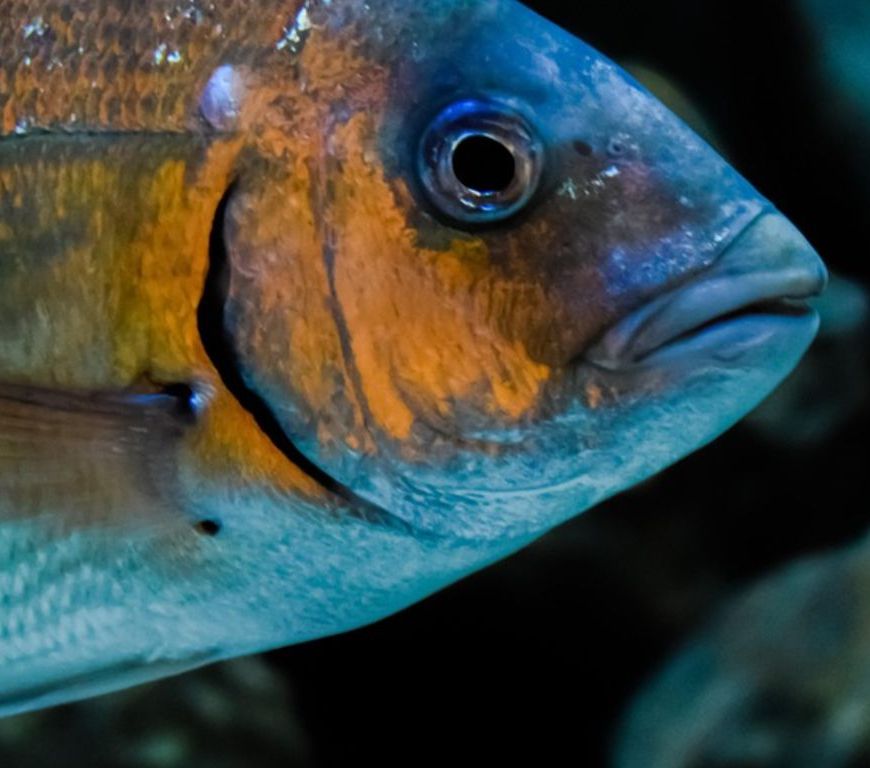
How to better estimate local abundance of Mediterranean coastal fish

Estimating how many fish live in coastal areas is essential for protecting marine ecosystems and managing resources sustainably. In this study, we show that DNA present in seawater can help better predict fish abundance. Indeed, counting fish is not always easy. Traditional methods, such as fishing catches, can be costly, destructive, or difficult to implement in certain protected or dangerous areas. A recent method involves … Continue reading How to better estimate local abundance of Mediterranean coastal fish

The potential of second-growth forests for bird diversity in a small holder landscape

Mareike Kortmann and co-authors share a summary about their latest study which focusses on the ability of sample coverage to impact diversity measures of bird communities in tropical lowland forests. Tropical old-growth forests are disappearing at an alarming rate, leading to concerning biodiversity loss. But amidst this global decline, some forest areas are also recovering. Second-growth forests—those that regenerate after agricultural use—may offer valuable contributions … Continue reading The potential of second-growth forests for bird diversity in a small holder landscape

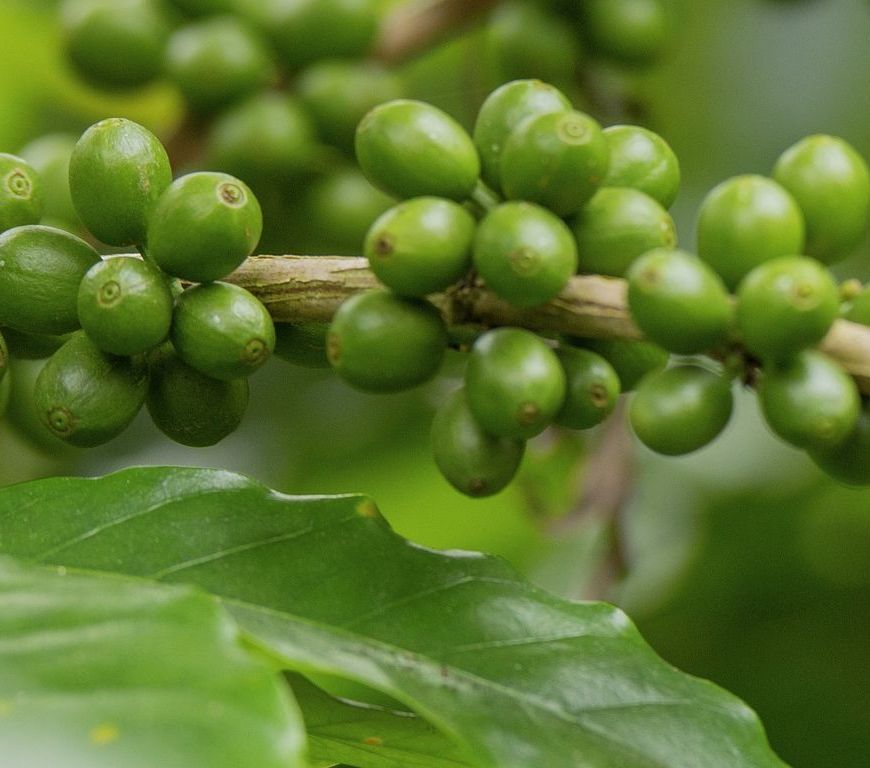
A disposição da plantação de café pode aumentar a produtividade e a sustentabilidade?

Gudryan J. Baronio discute sobre o recente estudo, conduzido em colaboração, que enfatiza o papel fundamental dos polinizadores na produção de café e seu impacto nas características dos frutos e sementes. As conclusões do estudo apoiam a otimização dos cafezais através da preservação da vegetação nativa para aumentar a produção de café e conservar a biodiversidade. Continue reading A disposição da plantação de café pode aumentar a produtividade e a sustentabilidade?

Can coffee plantation design boost both productivity and sustainability?

Gudryan J. Baronio discusses a recent study, conducted alongside colleagues, which emphasises the key role of pollinators in coffee production and their impact on fruit and seed characteristics. Their findings support optimising coffee plantation design by preserving native vegetation to increase coffee yields and conserve biodiversity. Continue reading Can coffee plantation design boost both productivity and sustainability?

Our invaded world: India’s quest for ecosystem restoration

Ninad Mungi shares recent work, conducted with colleagues, which involved monitoring India’s levels of invasive plant species. This has knock-on effects for apex predators, such as tigers, who rely on their prey being able to access native species. Introduction In a world grappling with drastic ecological challenges, biological invasions have emerged as a pernicious threat to biodiversity, ecosystem functioning, and global health. While the impacts … Continue reading Our invaded world: India’s quest for ecosystem restoration

Does logging help or harm Borneo’s bats?

Natalie Yoh and Dave Seaman discuss their recently published research article that uses remote sensing to investigate the effects of logging on aerial insectivorous bats in Southeast Asia. Findings indicate that logged forests can provide an important refuge and several species that respond predictably to logging could be targeted for biodiversity monitoring using acoustic and capture-based methods. “Bats make up around 40% of Borneo’s mammal … Continue reading Does logging help or harm Borneo’s bats?

MammalWeb: The potential of citizen science for large-scale mammal monitoring

Feature photo: A camera trap photo © MammalWeb (CC BY-SA 2.0) In their latest article, Pen-Yuan Hsing et al. describe the processes involved in launching and running MammalWeb – a successful camera trapping project that has produced over 440,00 classified image sequences and videos over the past decade. It is unlikely to come as a shock to readers of the Applied Ecologist that the world … Continue reading MammalWeb: The potential of citizen science for large-scale mammal monitoring