Come migliorare la stima dell’abbondanza locale dei pesci costieri del Mediterraneo

Stimare quanti pesci vivono nelle aree costiere è fondamentale per proteggere gli ecosistemi marini e gestire le risorse in modo sostenibile. In questo studio, mettiamo in evidenza che il DNA presente nell’acqua di mare può aiutare a stimare meglio l’abbondanza dei pesci. Infatti, contare i pesci non è sempre facile. I metodi tradizionali, come quelli basati su catture di pesca, possono essere costosi, distruttivi o … Continue reading Come migliorare la stima dell’abbondanza locale dei pesci costieri del Mediterraneo

Mejorando las estimaciones de la abundancia de los peces costeros del Mediterráneo

Conocer cuántos peces hay en nuestras costas es esencial para proteger los ecosistemas marinos y asegurar una gestión sostenible de los recursos. En este estudio, demostramos que el ADN que hay en agua de mar puede ser una herramienta clave para ayudar a predecir mejor la abundancia de dichos peces. Contar peces no siempre es tarea fácil. Los métodos tradicionales, como la pesca, pueden ser … Continue reading Mejorando las estimaciones de la abundancia de los peces costeros del Mediterráneo

Comment mieux estimer l’abondance locale des poissons côtiers de Méditerranée

Estimer combien de poissons vivent dans les zones côtières est essentiel pour protéger les écosystèmes marins et gérer durablement les ressources. Dans cette étude, nous montrons que l’ADN présent dans l’eau de mer peut aider à mieux prédire l’abondance des poissons. En effet, compter les poissons n’est pas toujours simple. Les méthodes classiques, comme les captures de pêche, peuvent être coûteuses, destructrices ou difficiles à … Continue reading Comment mieux estimer l’abondance locale des poissons côtiers de Méditerranée

How to better estimate local abundance of Mediterranean coastal fish

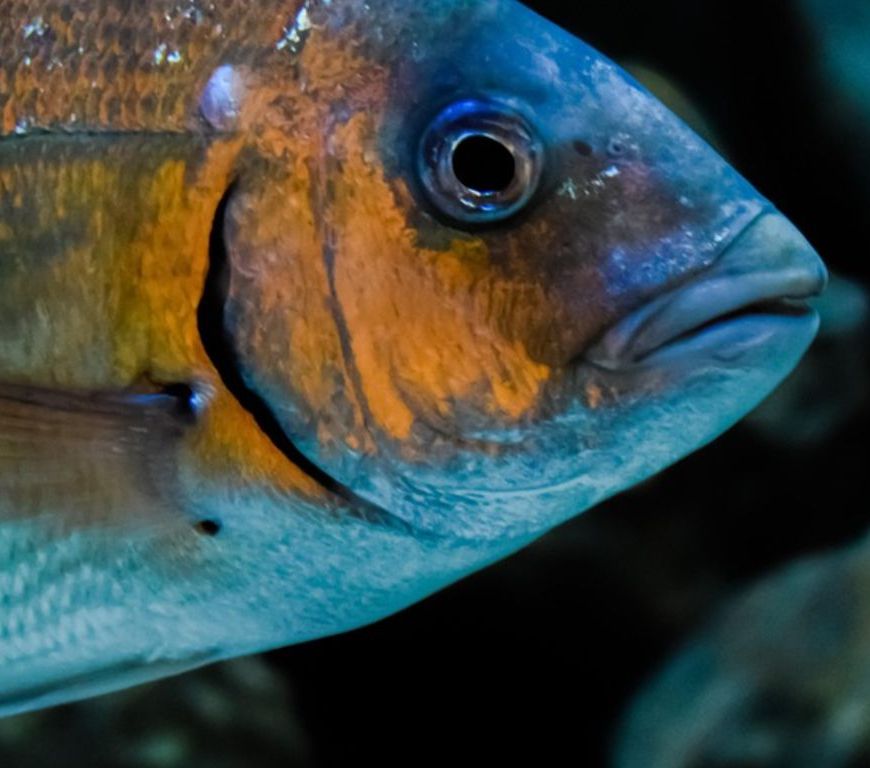
Estimating how many fish live in coastal areas is essential for protecting marine ecosystems and managing resources sustainably. In this study, we show that DNA present in seawater can help better predict fish abundance. Indeed, counting fish is not always easy. Traditional methods, such as fishing catches, can be costly, destructive, or difficult to implement in certain protected or dangerous areas. A recent method involves … Continue reading How to better estimate local abundance of Mediterranean coastal fish

Tracking koalas – how airborne DNA can help us

In this blog post, Nicola Jackson shares the findings from their latest study looking at how sampling air particles to detect DNA can be useful in monitoring and conserving koalas. Perched high up in a Eucalyptus tree, swaying from side to side, lies a sleepy koala unaware of the means spent each year trying to obtain accurate baseline information about its presence. We have thrown … Continue reading Tracking koalas – how airborne DNA can help us

Fishing for mammals: using environmental DNA from rivers to monitor mammals on land

New research by Sales and colleagues looks at the monitoring of terrestrial mammal communities and compares the efficacy of landscape-level monitoring using environmental DNA (eDNA) to that of conventional methods. Here the authors summarise their findings. Accurately and effectively monitoring biodiversity is a key consideration in this rapidly changing world. Consistent and regular monitoring of species communities is pivotal for ongoing management, conservation and policy … Continue reading Fishing for mammals: using environmental DNA from rivers to monitor mammals on land

eDNA snapshots of invasion, infection and extinction from a freshwater crayfish tragedy

For the first time, a devastating crayfish plague outbreak has been monitored from the onset to crayfish extinction using eDNA methodology. David A. Strand and colleagues surveyed a watercourse over three years and discovered a remarkable correlation between eDNA fluctuations and host-pathogen dynamics. Noble crayfish (Astacus astacus) are macroinvertebrates that can be found in both lotic and lentic freshwater systems across most of Europe. Previously … Continue reading eDNA snapshots of invasion, infection and extinction from a freshwater crayfish tragedy

Environmental DNA and crayfish management

In this post Matthew Dougherty discusses his recent paper ‘Environmental DNA (eDNA) detects the invasive rusty crayfish Orconectes rusticus at low abundances‘ Tangled buoy strings, lost traps, pinched fingers, sweaty brows, and boats smeared with beef liver: these images define the experiences of countless managers and scientists who use baited trapping to monitor crayfish invasions, especially in lakes of the upper Midwest, USA. While these … Continue reading Environmental DNA and crayfish management