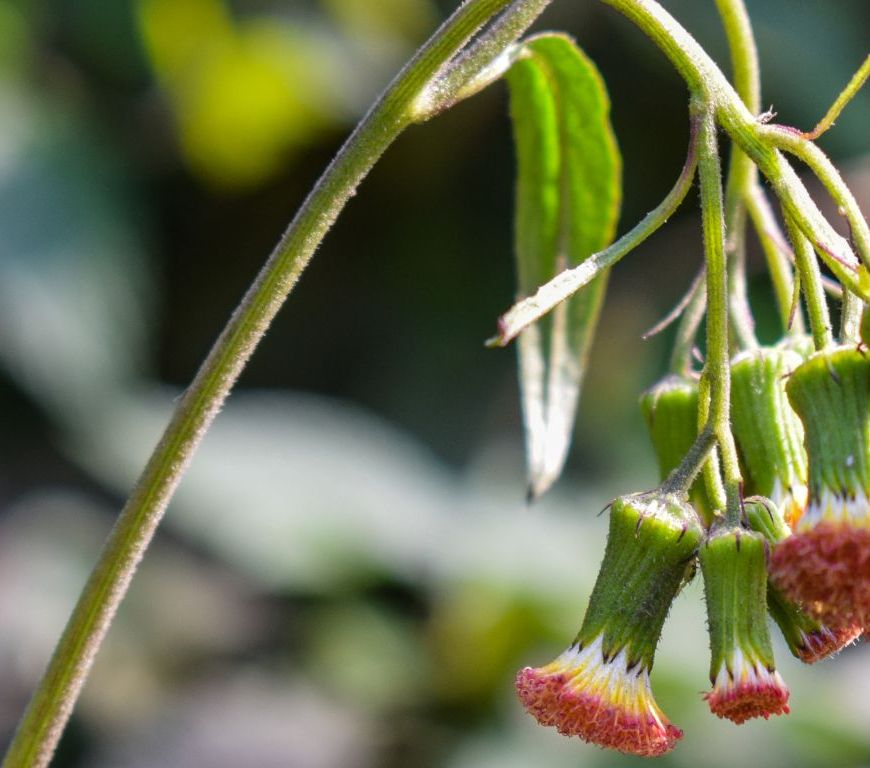
Amidst the resplendence of Munnar’s sky islands

Madhumay Mallik from the Wildlife Trust of India recounts their experience researching grass frogs, and details what is being done to ensure that these and other frog species continue to thrive despite increasing challenges. Far away on the mountain peak were cotton clouds in restless sleep, tossing and turning. Before me, a lush pasture of smooth grass and wild flowers, blanketing a steep terrain and … Continue reading Amidst the resplendence of Munnar’s sky islands

Nicholas McMillan: Unraveling the invasion paradox 

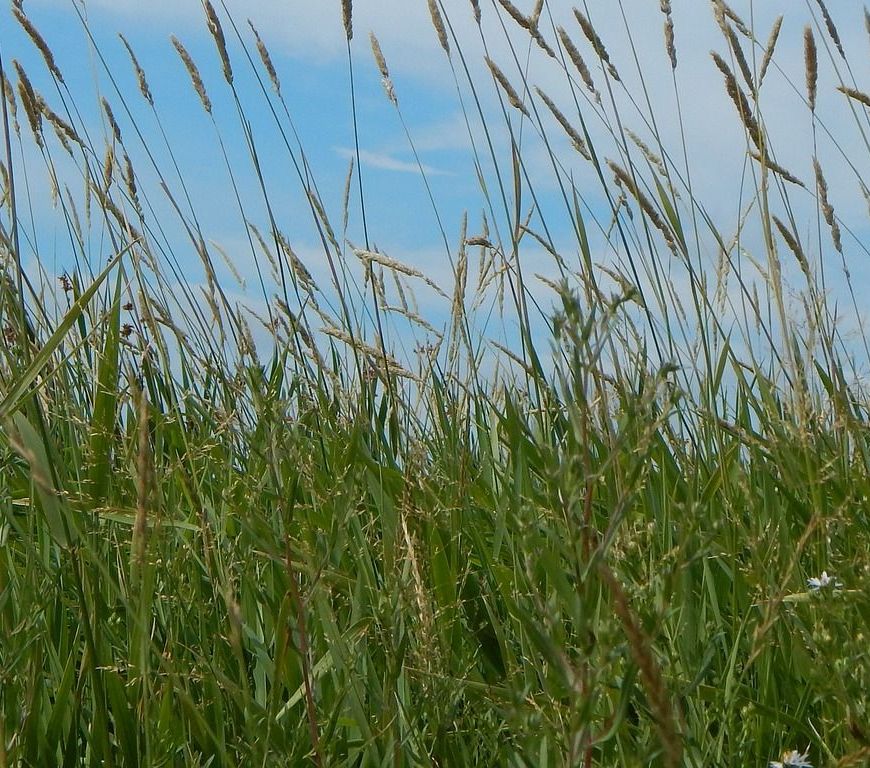
Shortlisted for the 2023 Southwood Prize Nicholas McMillan details how he and colleagues collected data across eight grassland landscapes to test how an invasive legume affected plant and bird communities at spatial grains ranging from 0.1 m2 to >3,000,000 m2. It was concluded that scale is a central problem in ecology, and defining scale in management objectives is essential for effective biodiversity conservation. Invasive plants Invasive plants are managed … Continue reading Nicholas McMillan: Unraveling the invasion paradox 

Our invaded world: India’s quest for ecosystem restoration

Ninad Mungi shares recent work, conducted with colleagues, which involved monitoring India’s levels of invasive plant species. This has knock-on effects for apex predators, such as tigers, who rely on their prey being able to access native species. Introduction In a world grappling with drastic ecological challenges, biological invasions have emerged as a pernicious threat to biodiversity, ecosystem functioning, and global health. While the impacts … Continue reading Our invaded world: India’s quest for ecosystem restoration

A database of Indian alien vascular flora

Author Achyut Kumar Banerjee introduces his team’s latest Data Article describing ILORA: a database for alien vascular flora in India. India is a land of cultural, geological and biological diversity. Throughout its history, India has been invaded and occupied multiple times, and numerous plant species were introduced during this time. Botanical imperialism reached its zenith during British rule with the establishment of networks of botanical … Continue reading A database of Indian alien vascular flora

Research Stories: The hunt for arctic aliens

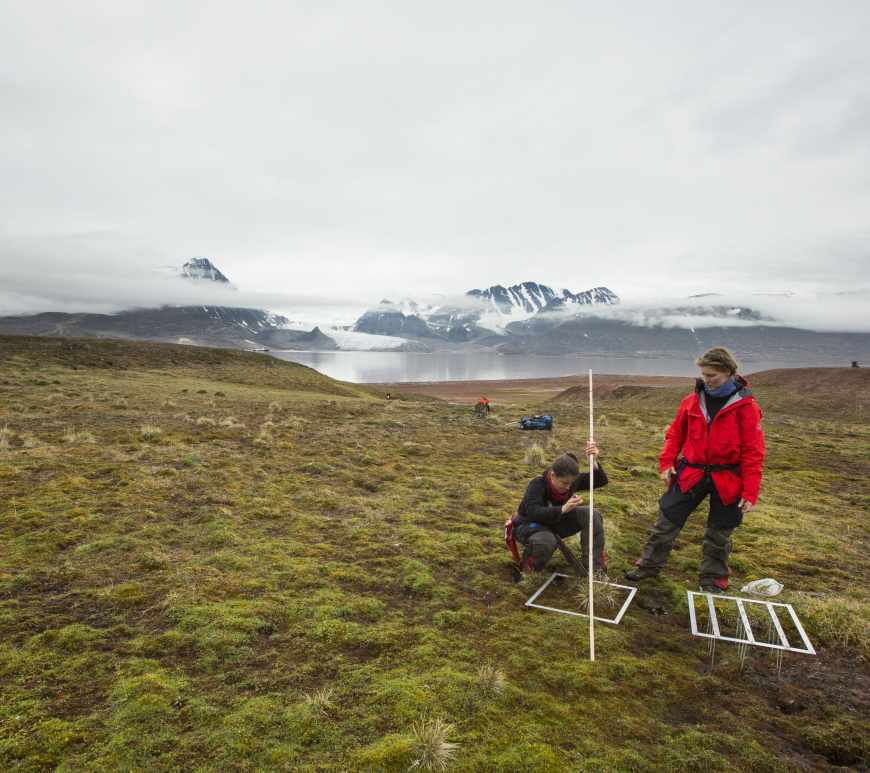
Authors Ronja Wedegärtner and Jesamine Bartlett recall their team’s expedition in the high-Arctic Svalbard to monitor alien flora and publish their latest research which presents the most comprehensive survey of alien vascular species in the archipelago to date. Whilst we do not hunt for extra-terrestrial aliens that may or may not be hidden under the ice (as some on the more unbridled sections of the … Continue reading Research Stories: The hunt for arctic aliens

ESE Editor’s Choice 1:1 – Understanding invasive plant phenology to better protect native island species

Laysan albatrosses amongst a field of golden crownbeard © David Dow Taylor et al.’s recent From Practice article details a case study on Midway Atoll that demonstrates the importance of understanding plant phenology to better control and eradicate non-native species. Lead Editor Carolyn Kurle highlights this article as the inaugural Ecological Solutions and Evidence Editor’s Choice. Invasive species on islands are an enormous problem; largely … Continue reading ESE Editor’s Choice 1:1 – Understanding invasive plant phenology to better protect native island species

Using phenology to guide invasive plant management

Successful restoration of degraded land often depends on well-timed interventions to control invasive species. In their recently published article, Taylor and colleagues present a case study of the effects of incorporating phenology information into invasive plant control operations at Midway Atoll National Wildlife Refuge (NWR), USA. The authors share their story below. Towards the end of April, millions of birds, including warblers, tanagers, buntings, grosbeaks … Continue reading Using phenology to guide invasive plant management

Issue 55:5

Read the highlights from our September issue. Value of information: when to learn and when to manage in conservation This issue’s Editor’s Choice article Better many small than a few large: how landscape configuration affects arthropod communities in rice Can splitting agricultural ecosystems help reduce yield losses for rice farmers? Mejor muchos pequeños que pocos grandes: sobre como la configuración del paisaje afecta las comunidades … Continue reading Issue 55:5

Identifying lurking garden invaders promoted by climate change

In our changing climates, some introduced ornamental plant species could establish themselves and become invasive. Emily Haeuser and colleagues present a new model for helping assess naturalization risk in their article, European ornamental garden flora as an invasion debt under climate change. Invasive species can cause significant ecological and economic damage worldwide. They can disrupt ecosystem services, and put threatened and endangered species at risk … Continue reading Identifying lurking garden invaders promoted by climate change

Prevendo as próximas espécies invasoras

By Associate Editor, Rafael Zenni  An English version of this post is available here. Milhares de espécies de plantas foram movidas para além das suas áreas de ocorrência nativas para fins ornamentais. As escolhas de espécies para jardins, ruas e parques urbanos são baseadas em grande parte em razões estéticas, culturais e utilitárias e não por sua adequação ecológica ou climática para uma região específica. … Continue reading Prevendo as próximas espécies invasoras