Human-wildlife coexistence: The need for evidence-based solutions

Chen Huang provides an overview of their investigation into human-wildlife conflict, and explains how research gaps can be turned into opportunities. Humans and wildlife share the planet, often in proximity. In many parts of the world, villagers see elephants, lions, dolphins, and seabirds as part of their daily lives—much like city dwellers spot starlings feeding in a park. While wildlife is culturally valuable and a … Continue reading Human-wildlife coexistence: The need for evidence-based solutions

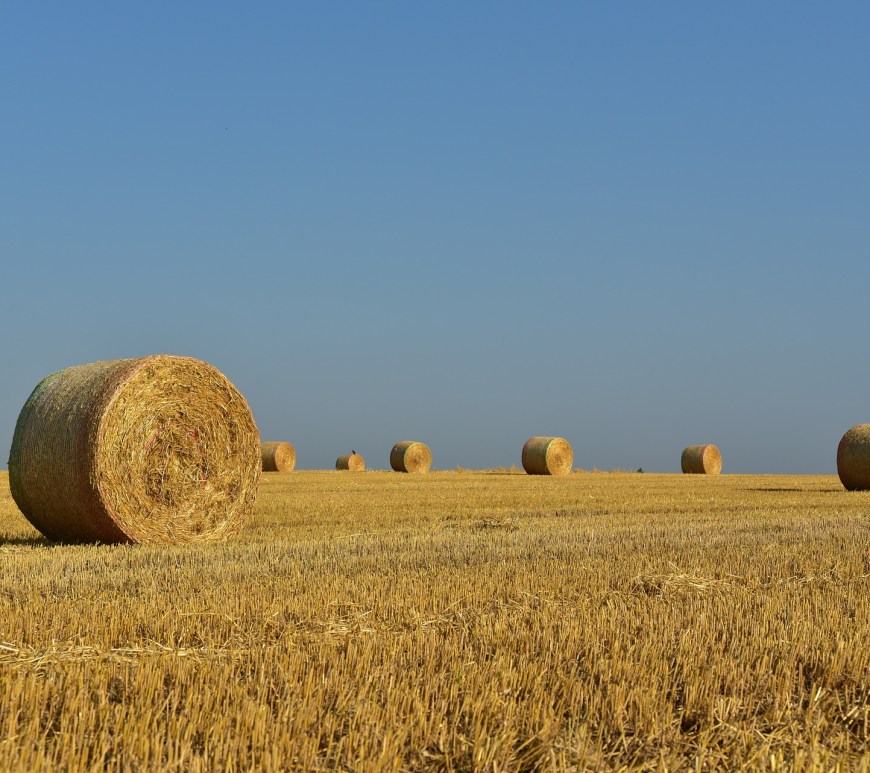
Supportive effect of uncut refuge strips on grassland arthropods may depend on the amount and width of strips

In this blog post, author Kitti Révész and her team share their latest study exploring the effects of uncut refuge strips on the abundance and diversity of arthropods. What is the best management practice of hay meadows from an arthropod conservation point of view? Grassland arthropods are declining as a consequence of land-use change and intensive management. There are efforts to spread extensive management through … Continue reading Supportive effect of uncut refuge strips on grassland arthropods may depend on the amount and width of strips

Chico Mendes Prize 2023: Winner announced for early career practitioner award

We’re excited to announce Molly Mitchell as the winner of the 2023 Chico Mendes Prize, celebrating the best Practice Insights article in the journal by an author at the start of their career. Winner: Molly Mitchell Article: A marsh multimodel approach to inform future marsh management under accelerating sea-level rise About the research How do you make good decisions about managing resources when those resources are … Continue reading Chico Mendes Prize 2023: Winner announced for early career practitioner award

Conservation of future marshland

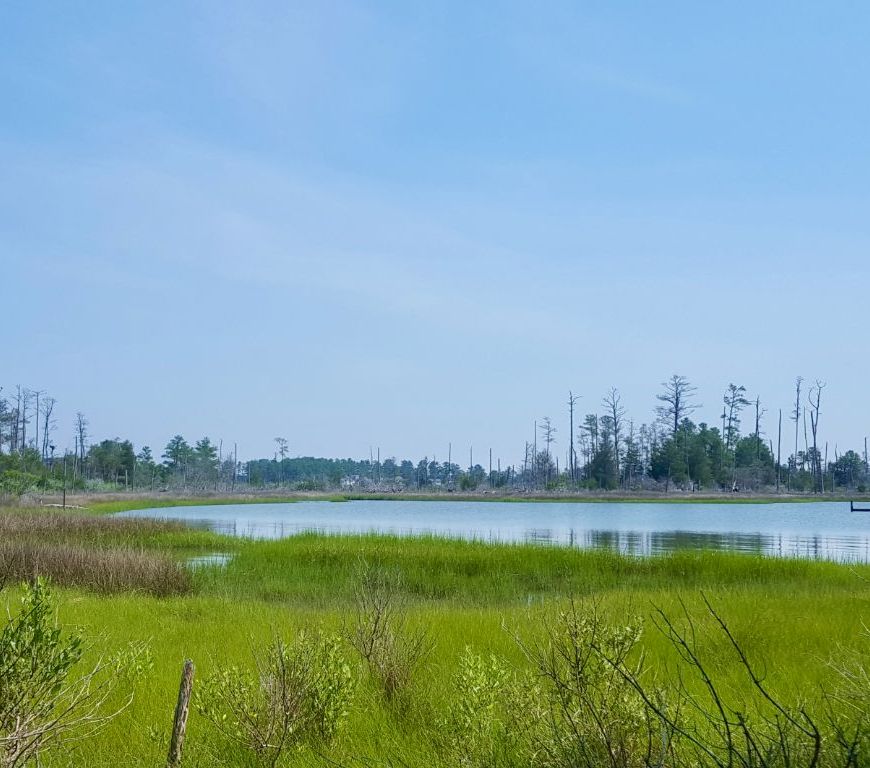
Shortlisted for the Chico Mendes Prize 2023 In this blog post, author Molly Mitchell describe her team’s Practice Insights article which demonstrates the value of using multiple models and data to inform marsh management, conservation and restoration practices. How do you make good decisions about managing resources when those resources are changing? This is the issue with which coastal managers have been struggling as sea … Continue reading Conservation of future marshland

Working hard or hardly working? Modelling success of current grassland agri-environment schemes

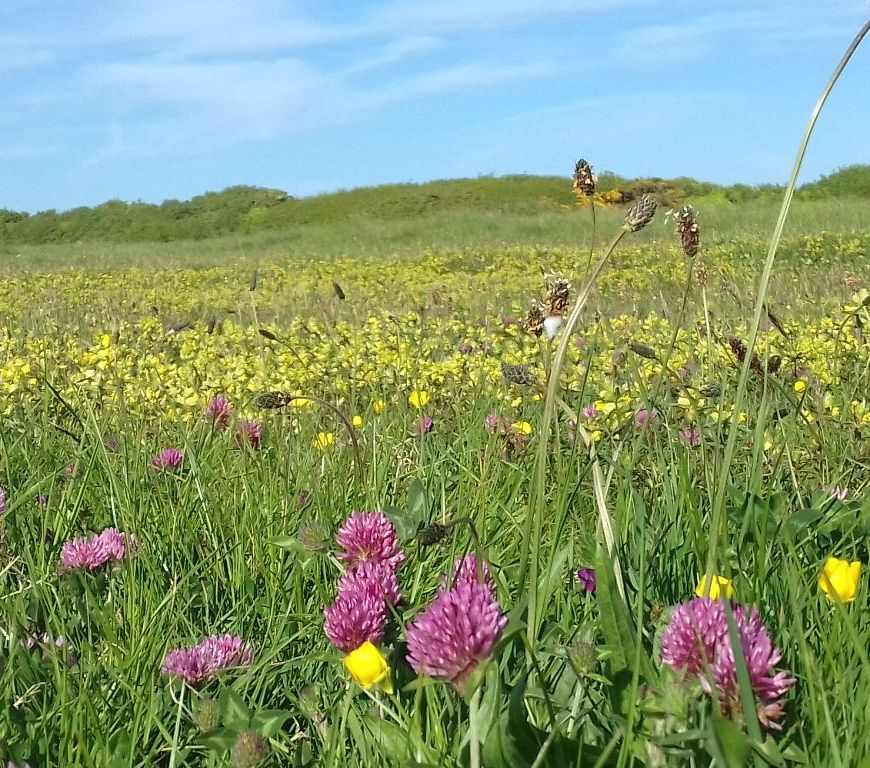
Shortlisted for the Georgina Mace Prize 2023 In this blog post, author Bede West describe his team’s study analysing the potential for agri-environment schemes to achieve positive changes in plant biodiversity. Plants and soils are the trophic foundations of most temperate terrestrial ecosystems but they are being progressively impacted by climate change, biodiversity loss and a plethora of other environmental impacts. These issues must be … Continue reading Working hard or hardly working? Modelling success of current grassland agri-environment schemes

ECR Journeys: Treescapes for People and Nature 

This month, The Applied Ecologist is amplifying the voice of early career ecologists from around the world working in the field of applied ecology to help inspire the next generation. In this post, Melissa Minter, Conservation Scientist within the RSPB Centre for Conservation Science, shares their story below.    My background In my spare time, I love to play board games, (the favourite is Wingspan, of … Continue reading ECR Journeys: Treescapes for People and Nature 

Biodiversity in landscape mosaics: Local land use, landscape and dung beetle assemblages

Raquel Carvalho and Ellen Andresen explain new research that evaluates the impact of land use, landscape structure, and their interactions, on dung beetles, a group of insects that provides many ecosystem services. Carvalho et al demonstrated that both factors act together to shape biodiversity patterns, and that the effect of landscape structure often depends on the specific land use studied. The problem Understanding the impact … Continue reading Biodiversity in landscape mosaics: Local land use, landscape and dung beetle assemblages

Habitat availability alters the relative risk of a bovine tuberculosis breakdown in the aftermath of a commercial forest clearfell disturbance

In their new study, Murphy et al. discuss the relationship between human modification of landscapes and zoonotic disease emergence and spread, through their case study of bovine tuberculosis in Ireland. The interconnectedness of ecosystems is one of the most endearing facets of landscape ecology. Yet, it presents the biggest challenge for applied ecologists seeking to understand the cause and effect of ecosystem modification. Changes to … Continue reading Habitat availability alters the relative risk of a bovine tuberculosis breakdown in the aftermath of a commercial forest clearfell disturbance

Editor’s Choice 57:12 – Best-practice forestry management delivers diminishing returns for coral reefs with increased land-clearing

Associate Editor, Dr Kiran Dhanjal-Adams, introduces the December Editor’s Choice paper, which demonstrates that sediment runoff from industrial logging can affect food security and livelihoods in the Solomon Islands. Kolombangara is an island in the Western Province of the Solomon Islands in the South West Pacific. The island harbors a large variety of ecosystems, ranging from mangrove ecosystems at sea level to cloud forest ecosystems along the crater, … Continue reading Editor’s Choice 57:12 – Best-practice forestry management delivers diminishing returns for coral reefs with increased land-clearing

Catch them if you can! A combined effort by citizens and scientists to monitor mosquitoes in Germany

In their latest research, Pernat and colleagues evaluate the performance of the German citizen science project ‘Mückenatlas’, in comparison to professional mosquito monitoring efforts. Mosquitoes – everyone knows them, hardly anyone likes them, and as carriers of pathogens, they can also pose a threat to the health of humans and animals. These negative connotations associated with mosquitos have been put to use by Mückenatlas, a … Continue reading Catch them if you can! A combined effort by citizens and scientists to monitor mosquitoes in Germany