Fauna sentinela: como o seguimento por GPS de espécies necrófagas fornece informação sobre o cumprimento dos regulamentos de gestão de cadáveres

Patrícia Mateo Tomás fala-nos do novo estudo que visa avaliar como o rastreio remoto da vida selvagem pode contribuir para uma melhor monitorização das leis ambientais. Através do rastreamento experimental de lobos e abutres via GPS, os pesquisadores conseguiram localizar um total de 489 carcaças de gado em Espanha e Portugal. Continue reading Fauna sentinela: como o seguimento por GPS de espécies necrófagas fornece informação sobre o cumprimento dos regulamentos de gestão de cadáveres

Fauna centinela: cómo el seguimiento GPS de especies necrófagas informa el cumplimiento de la normativa de gestión de carroñas

Patricia Mateo Tomás nos habla sobre el nuevo estudio de ella y sus colegas que tiene como objetivo evaluar cómo el seguimiento remoto de la vida silvestre puede contribuir a un mejor monitoreo de las leyes ambientales. A través del seguimiento experimental de lobos y buitres a través de GPS, los investigadores pudieron localizar un total de 489 cadáveres de ganado en España y Portugal. Continue reading Fauna centinela: cómo el seguimiento GPS de especies necrófagas informa el cumplimiento de la normativa de gestión de carroñas

Sentinel wildlife: GPS-tracking of scavengers to inform compliance with regulations on carcass disposal

Patricia Mateo Tomás talks us through her and colleagues’ new study which aims to assess how remotely tracking wildlife can contribute to the better monitoring of environmental laws. Through experimentally tracking wolves and vultures via GPS, researchers were able to locate a total of 489 livestock carcasses across Spain and Portugal. Continue reading Sentinel wildlife: GPS-tracking of scavengers to inform compliance with regulations on carcass disposal

Apparently stable albatross population is actually decreasing due to mouse predation

Conservation organisations struggle to directly assist all threatened species, so deciding where to spend limited resources is a common problem. In a new paper, Oppel and colleagues show that, for long-lived species, a population may decrease long before this trend becomes evident in the part of the population that can be counted. Albatrosses are among the largest flying birds in the world, and they can … Continue reading Apparently stable albatross population is actually decreasing due to mouse predation

Research Stories: The hunt for arctic aliens

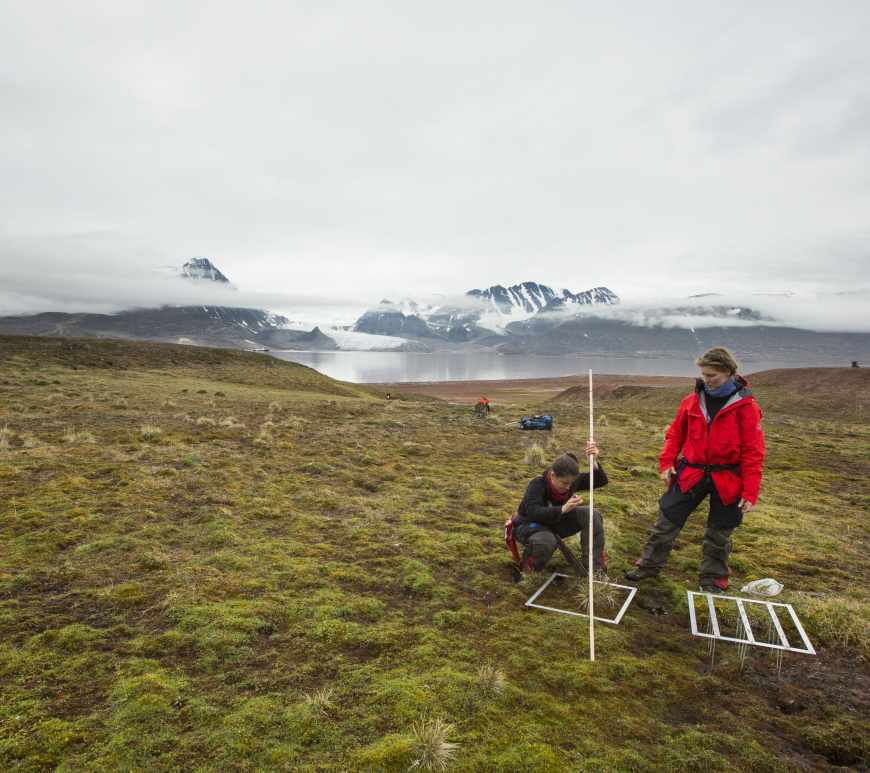
Authors Ronja Wedegärtner and Jesamine Bartlett recall their team’s expedition in the high-Arctic Svalbard to monitor alien flora and publish their latest research which presents the most comprehensive survey of alien vascular species in the archipelago to date. Whilst we do not hunt for extra-terrestrial aliens that may or may not be hidden under the ice (as some on the more unbridled sections of the … Continue reading Research Stories: The hunt for arctic aliens

Editor’s Choice 57:11 – An integrated approach using passive acoustic monitors and camera traps to measure hunting activity and its impacts on mammalian populations

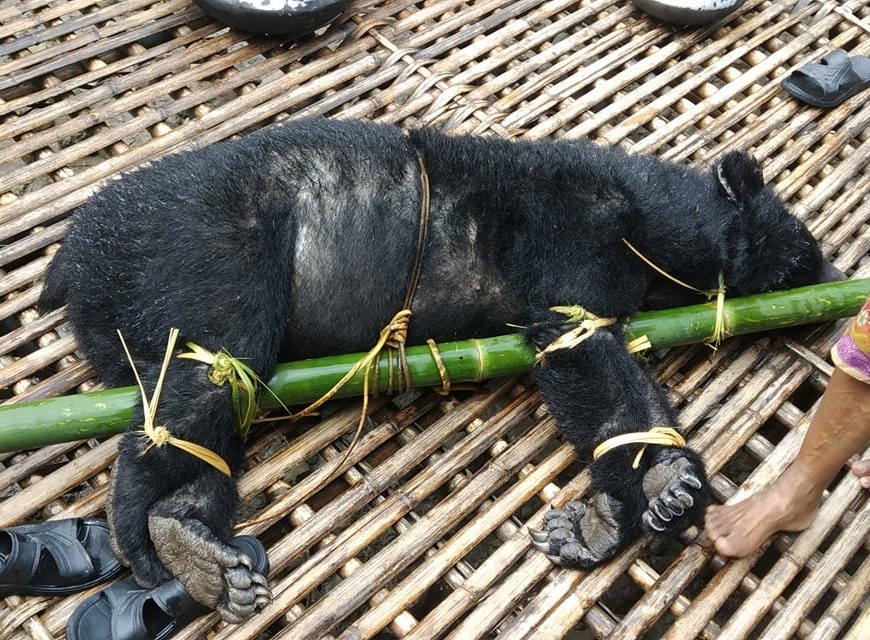
Associate Editor, Sharif A. Mukul, introduces the November Editor’s Choice paper, which demonstrates that acoustic monitoring technologies detect far more instances of hunting than camera traps. Unsustainable hunting is one of the major challenges to wildlife and healthy forests worldwide. While subsistence hunting is widespread in many parts of the tropics, over-hunting can have a detrimental effect on wildlife populations, particularly mammals. In recent years, … Continue reading Editor’s Choice 57:11 – An integrated approach using passive acoustic monitors and camera traps to measure hunting activity and its impacts on mammalian populations

Catch them if you can! A combined effort by citizens and scientists to monitor mosquitoes in Germany

In their latest research, Pernat and colleagues evaluate the performance of the German citizen science project ‘Mückenatlas’, in comparison to professional mosquito monitoring efforts. Mosquitoes – everyone knows them, hardly anyone likes them, and as carriers of pathogens, they can also pose a threat to the health of humans and animals. These negative connotations associated with mosquitos have been put to use by Mückenatlas, a … Continue reading Catch them if you can! A combined effort by citizens and scientists to monitor mosquitoes in Germany

Editor’s choice 57:07 – An urgent need for standardised monitoring of Arctic freshwaters

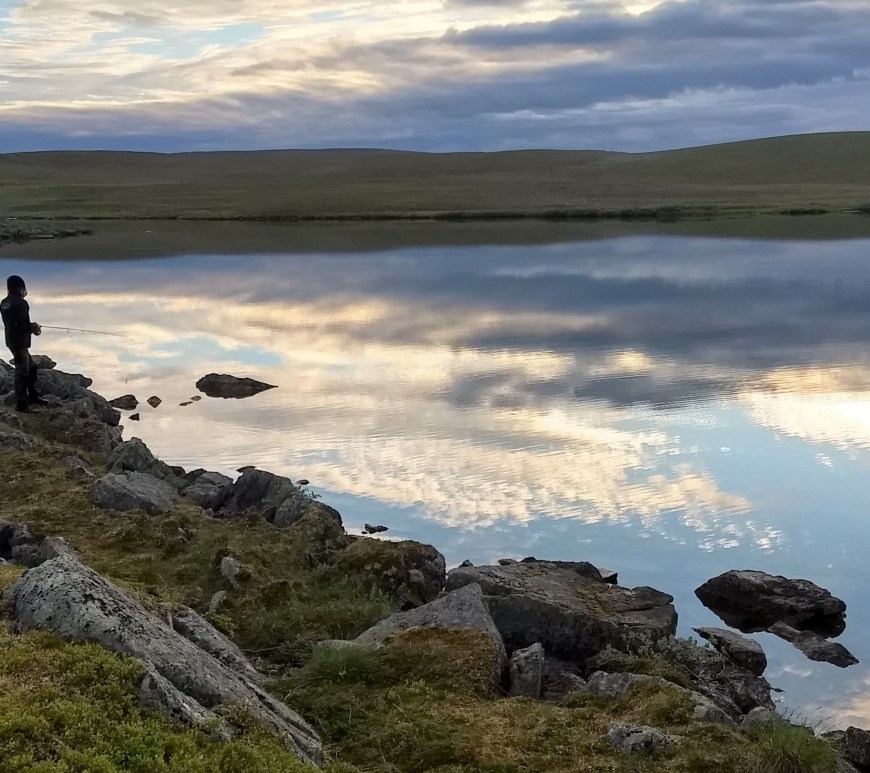
Heino et al.’s recent Policy Direction provides an approach to freshwater biomonitoring that could equip us to manage the effects of climate change in the Arctic. Associate Editor, Robert Britton highlights the work as our latest Journal of Applied Ecology Editor’s Choice. Anthropogenic climate change is not resulting in uniform warming rates across the world, with some regions increasing in temperature faster than others. This … Continue reading Editor’s choice 57:07 – An urgent need for standardised monitoring of Arctic freshwaters

Fishing for mammals: using environmental DNA from rivers to monitor mammals on land

New research by Sales and colleagues looks at the monitoring of terrestrial mammal communities and compares the efficacy of landscape-level monitoring using environmental DNA (eDNA) to that of conventional methods. Here the authors summarise their findings. Accurately and effectively monitoring biodiversity is a key consideration in this rapidly changing world. Consistent and regular monitoring of species communities is pivotal for ongoing management, conservation and policy … Continue reading Fishing for mammals: using environmental DNA from rivers to monitor mammals on land

Showcasing developments in biologging and related methods in applied ecology

Following the recent Journal of Animal Ecology Special Feature on biologging, Associate Editor, Steph Januchowski-Hartley takes a look at how research in this and similar methods are affecting the field of applied ecology today. Advances in technology have allowed for small electronic loggers and transmitters to be developed not only for biomedical monitoring for humans (think of the tech we can use for monitoring hearts, … Continue reading Showcasing developments in biologging and related methods in applied ecology