Evaluating songbird vulnerability to offshore wind turbine mortality

Leon Green-Tkacenko and co-authors share insight into their recent study that explores how existing vulnerability indices for seabirds can be applied to migrating songbirds, and potentially other migrating birds, in evaluating vulnerability to offshore wind turbine morality. What is the problem? Climate change is the most pressing threat to biodiversity in the 21st century andaddressing this threat will require substantial changes to how we generate … Continue reading Evaluating songbird vulnerability to offshore wind turbine mortality

Beneath the Waves: Estimating Marine Bird Abundances Outside the Breeding Season

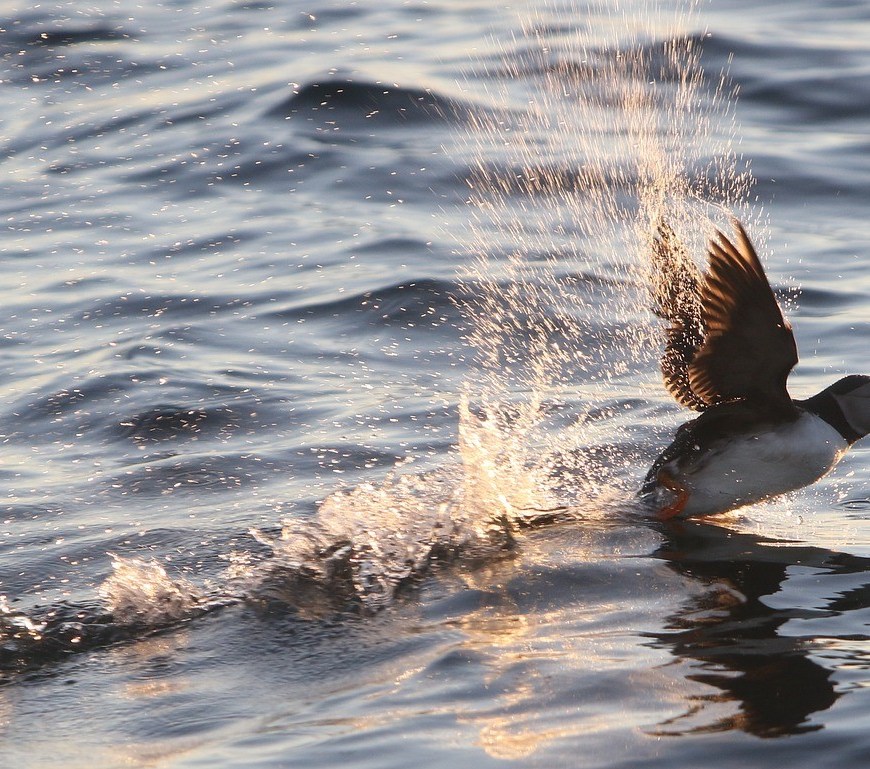
Ruth Dunn shares insights on her latest study where, alongside her colleagues, she investigated the number of marine birds, outside of their breeding seasons, that may be undetectable when underwater during at-sea surveys. Investing in renewable energy developments, as opposed to burning fossil fuels, has been hailed as a route through which humans might be able to counteract anthropogenic-induced climate change. Within western Europe, it … Continue reading Beneath the Waves: Estimating Marine Bird Abundances Outside the Breeding Season

Local and landscape scale factors influence pollinators at solar parks

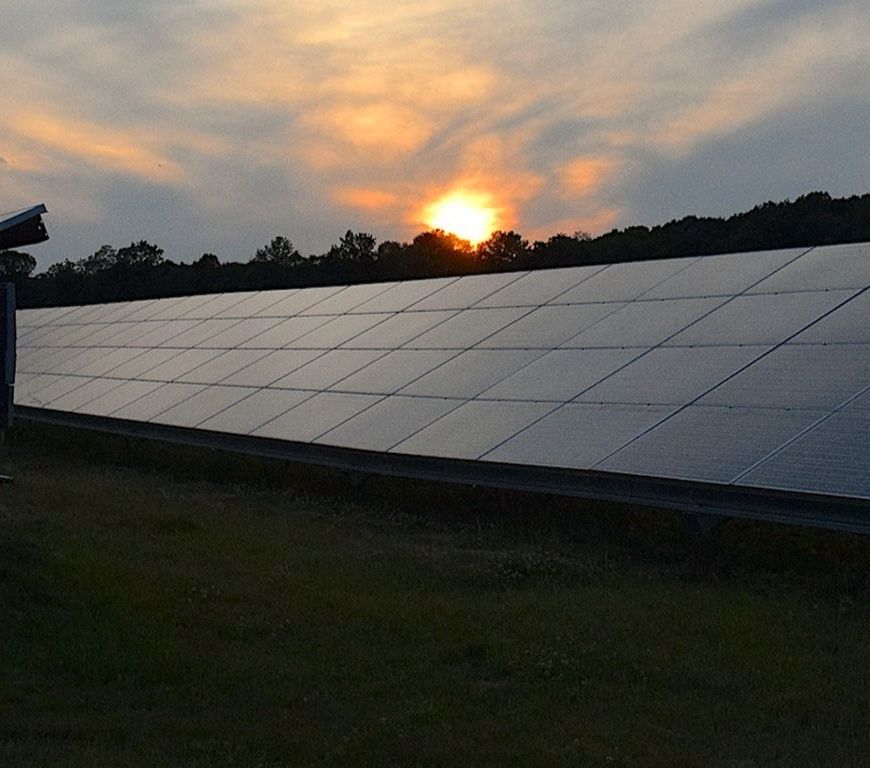
Authors Hollie Blaydes and Alona Armstrong describe their latest research to better understand how pollinators respond to increasing solar park developments. Ground mounted solar parks are becoming increasingly common features of our landscapes and are set to play a pivotal role on the path to net zero. Currently taking up ~15,000 hectares across the UK, more land will be needed for solar parks to meet … Continue reading Local and landscape scale factors influence pollinators at solar parks

Editor’s Choice 60:9 Bat activity falls by over half at solar farms

Author Elizabeth Tinsley summarises Journal of Applied Ecology’s September Editor’s Choice research article. This latest research, conducted alongside colleagues, aimed to assess the impact of solar panel farms on bat activity. The growing need for renewable energy As our planet continues to warm, the need for renewable energy is becoming increasingly urgent. Renewable technologies are important in meeting energy demands sustainably and are of vital importance … Continue reading Editor’s Choice 60:9 Bat activity falls by over half at solar farms

Hotspots in the Grid: Avian sensitivity and vulnerability to collision risk from energy infrastructure interactions In Europe and North Africa

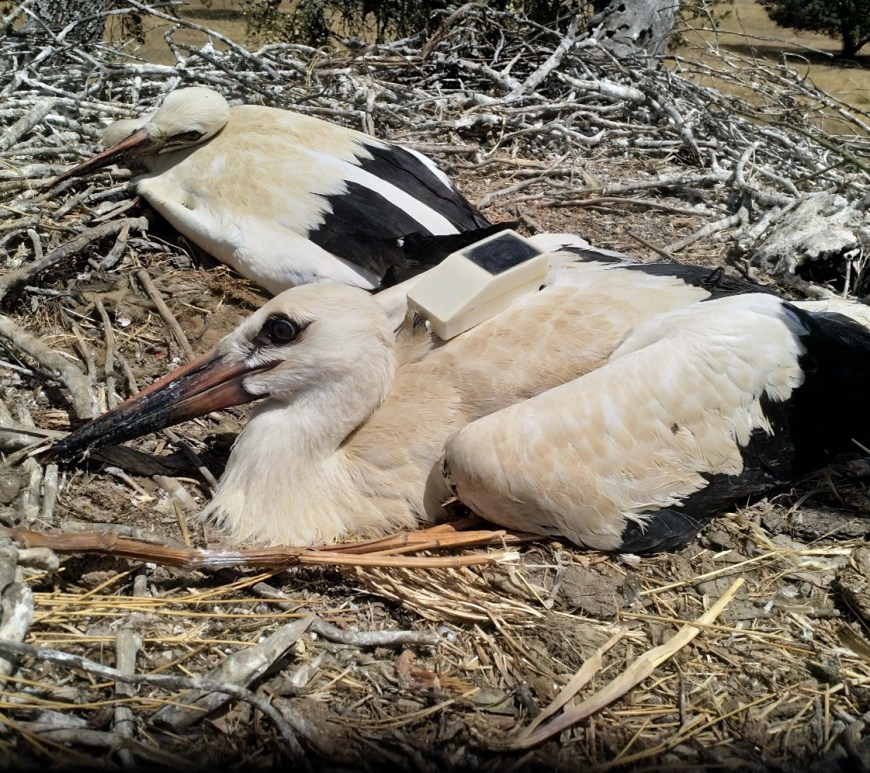
A new paper, led by Jethro Gauld from the University of East Anglia and colleagues from across Europe, demonstrates how GPS tracking data can be a powerful tool for identifying areas where birds are most sensitive to new renewable energy development due to collision risks. The transition to zero carbon energy is essential to avoid runaway climate change. As nations strive to achieve their Net … Continue reading Hotspots in the Grid: Avian sensitivity and vulnerability to collision risk from energy infrastructure interactions In Europe and North Africa

The importance of indirect effects of climate change adaptations on alpine and pre-alpine freshwater systems

Feature photo edited from © Martin Laurenceau In their latest Perspective, Morgane Brosse and colleagues delve into the impact of human efforts to reduce or mitigate climate change, its effects on alpine freshwater environments and the role of specific management and policy decisions in determining the nature of these impacts. In an effort to address the threat of global change, much pressure is put on … Continue reading The importance of indirect effects of climate change adaptations on alpine and pre-alpine freshwater systems

Editor’s Choice 58:3 Eagle fatalities are reduced by automated curtailment of wind turbines

Journal of Applied Ecology’s March Editor’s Choice tests the efficacy of an automated curtailment system in reducing counts of fatalities of eagles. Associate Editor, Kulbhushansingh Suryawanshi, introduces the selected article by Chris J W McClure, which shows that this method substantially reduced eagle fatalities, offering potential opportunities to lessen the conflict between wind energy and raptor conservation. We need greener renewable energy to fight climate … Continue reading Editor’s Choice 58:3 Eagle fatalities are reduced by automated curtailment of wind turbines

Predictive modeling of raptor movement can minimise the impact of wind energy developments

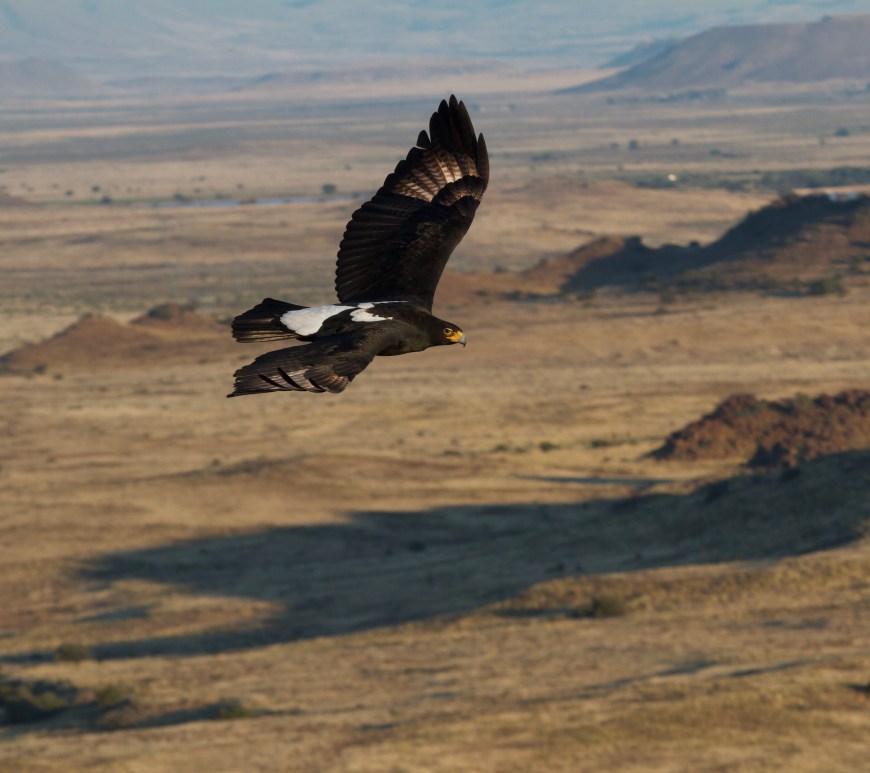
Energy generation is shifting towards renewable sources, but how do these developments impact our environment? In their latest research, Megan Murgatroyd and colleagues develop a predictive model to guide where best to locate wind turbines to minimize collision risk for a large soaring raptor. The sight of a wind farm is no longer strange to us. For some they might be seen as gentle giants, … Continue reading Predictive modeling of raptor movement can minimise the impact of wind energy developments

Editor’s Choice: 56:9 – Understanding the sensitivity of seabird populations to development pressure

As renewable energy becomes more prevalent in coastal environments, research by Julie Miller and colleagues provides important insights into the effects of anthropogenic influences on bird populations; both the risks and how these can be mitigated. Associate Editor Des Thompson and Scottish Natural Heritage ornithologist Andy Douse discuss issue 56:9‘s Editor’s Choice article. Of the globe’s birds, seabird populations are arguably among the most sensitive … Continue reading Editor’s Choice: 56:9 – Understanding the sensitivity of seabird populations to development pressure

Wind farms affect small birds too

Julia Gómez-Catasús explains the need for a 4.5km threshold between wind farms and small-sized birds, based on the recently published article, Wind farms affect the occurrence, abundance and population trends of small passerine birds: The case of the Dupont’s lark. Wind energy has experienced significant developments in recent decades, with China, United States, Germany, India and Spain being the main wind energy producers in the world. … Continue reading Wind farms affect small birds too