Forest regeneration can help preserve the evolutionary history of tropical wildlife

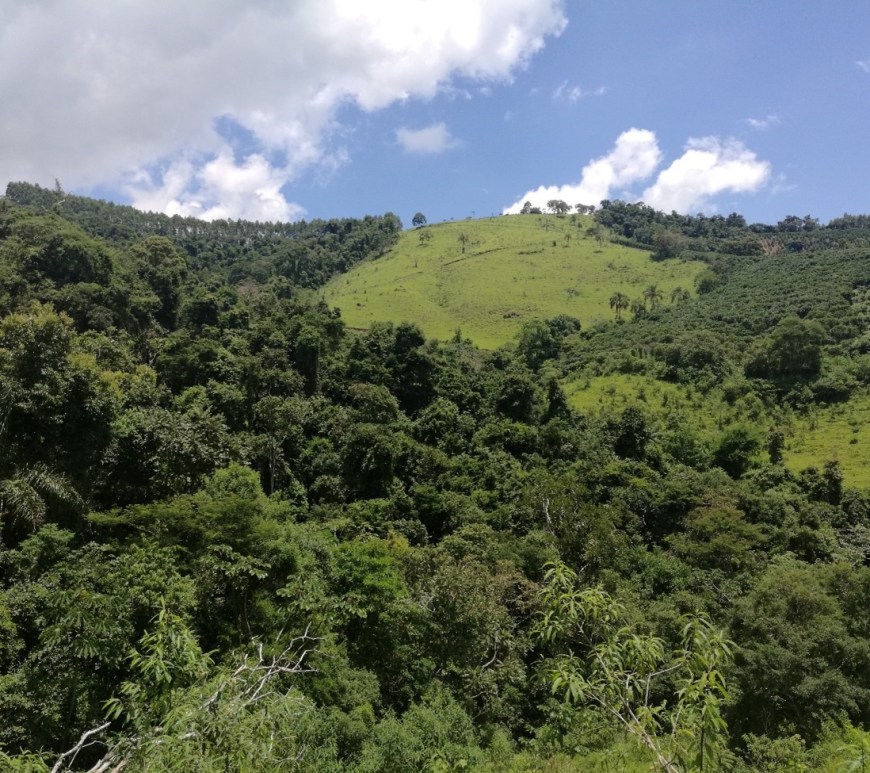
In their latest research, Farneda and colleagues show how secondary forest regeneration affects the evolutionary dimension of bat diversity in the Biological Dynamics of Forest Fragments Project (BDFFP) landscape, Central Amazon, Brazil. Land-use change across the tropics is pervasive, leading to widespread habitat loss and fragmentation. It is also a key driver of biodiversity loss. However, the agricultural abandonment in many tropical regions has led … Continue reading Forest regeneration can help preserve the evolutionary history of tropical wildlife

Connect the dogs: A framework to inform countrywide connectivity conservation of India’s wild dogs

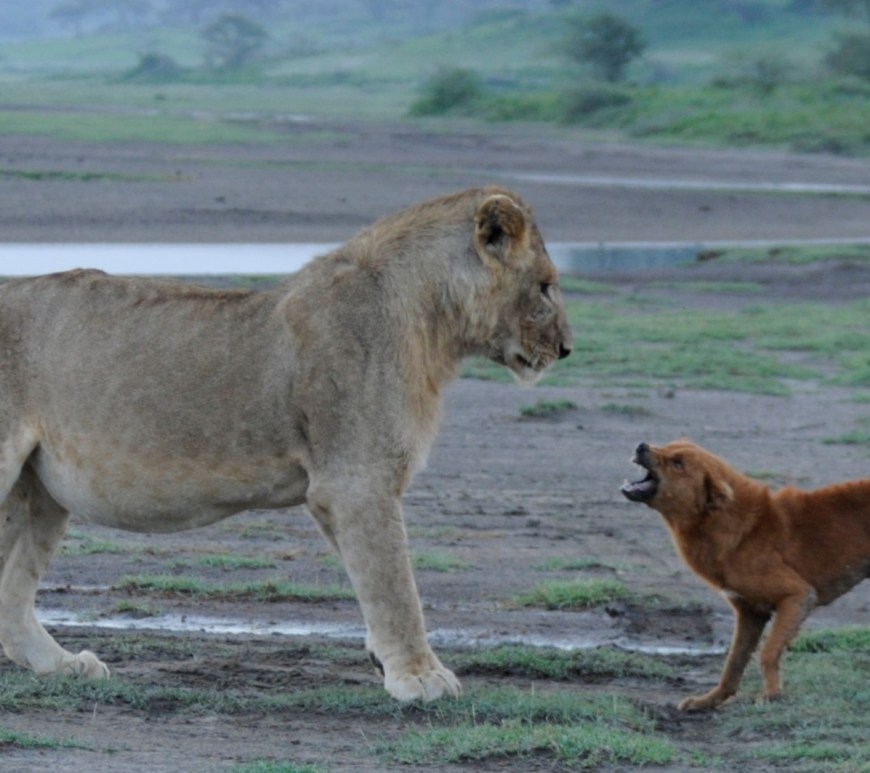
Conserving threatened species requires taking a landscape or regional scale approach to maintain connectivity among populations. In a new study, Rodrigues and colleagues propose a framework for informing countrywide connectivity conservation for large carnivores, focusing on the endangered Asiatic wild dog in India. Why conserve connectivity? The increase in human footprint and rapid changes in land-use patterns threaten the existence of several endangered species. Recent … Continue reading Connect the dogs: A framework to inform countrywide connectivity conservation of India’s wild dogs

Time to integrate global climate change and biodiversity science-policy agendas

This year’s UN Climate Change Conference (COP26) will be held in Glasgow in November. In the lead up to the conference, we’re asking our editors and authors to share their research at the interface of climate and ecology. In this post, Nathalie Pettorelli (ZSL) explains how the conference presents a clear window for developing coherent policy frameworks that align targets across the nexus of biodiversity … Continue reading Time to integrate global climate change and biodiversity science-policy agendas

Tracking data can provide a data-driven approach for high seas conservation

A new Policy Direction by Davies and colleagues showcases a candidate high seas marine protected area (MPA) in the Northeast Atlantic, identified primarily from seabird tracking data, that is being taken forward under a regional process: the North Atlantic Current and Evlanov Seamount (NACES) MPA, under the OSPAR Commission.  The high seas are international waters beyond any country’s jurisdiction. Although out-of-sight, beyond 200 nautical miles … Continue reading Tracking data can provide a data-driven approach for high seas conservation

Una mayor cobertura forestal y matrices menos contrastantes mejoran el servicio de remoción de carroña por insectos carroñeros en paisajes tropicales

This post is also available in English (here) and Portuguese (here). Animales muertos es algo que mucha gente prefiere evitar: son visualmente desagradable, huelen realmente… simplemente son espantosos. Sin embargo, los animales involucrados en la descomposición de la carroña juegan un papel clave en la funcionalidad del ecosistema. Animales carroñeros (como buitres, algunos mamíferos o insectos) previene la acumulación de cadáveres, facilitan la distribución y … Continue reading Una mayor cobertura forestal y matrices menos contrastantes mejoran el servicio de remoción de carroña por insectos carroñeros en paisajes tropicales

Maior cobertura florestal e matrizes menos contrastantes melhoram o serviço de remoção de carniça por insetos necrófagos em paisagens tropicais

This post is also available in English (here) and Spanish (here). Carniça é algo que as pessoas evitam: é algo visualmente desagradável, cheira muito mal… é simplesmente horrível. Entretanto, os animais envolvidos na decomposição da carniça tem um papel chave na funcionalidade do ecossistema. Animais necrófagos (i.e., que se alimentam de carniça) como os urubús, alguns mamíferos e insetos, previnem a acumulação de carcaças, facilitam … Continue reading Maior cobertura florestal e matrizes menos contrastantes melhoram o serviço de remoção de carniça por insetos necrófagos em paisagens tropicais

Higher forest cover and less contrasting matrices improve carrion removal service by scavenger insects in tropical landscapes

This post is also available in Spanish (here) and Portuguese (here) In their latest research, Alvarado-Montero et al. assess the impact of landscape structure and matrix contrast on carrion removal by scavenger insects, an often overlooked but crucial ecosystem service which is important for nutrient cycling and disease control. Carrion is something that many people choose to avoid. However, animals involved in carrion decomposition play … Continue reading Higher forest cover and less contrasting matrices improve carrion removal service by scavenger insects in tropical landscapes

Identifying plant species mixes that promote multiple ecosystem services in agro-ecosystems

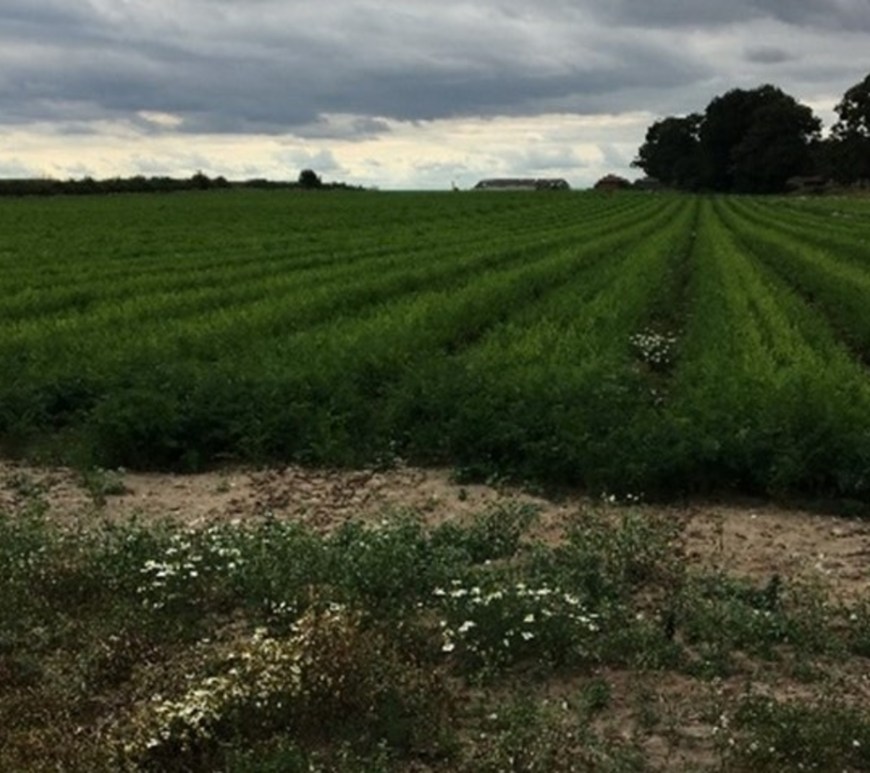
In their latest research, Windsor et al. demonstrate the importance of considering multiple ecosystem services and disservices when designing plant mixes for field margin management. Plants in field margins serve a multifunctional role, supporting a range of important ecological processes and ecosystem services. Management schemes to date, however, have focused on individual ecological processes/services (i.e., pollination or natural pest control). Indeed, Countryside Stewardship Grants to … Continue reading Identifying plant species mixes that promote multiple ecosystem services in agro-ecosystems

Where will the whales be? Ecological forecast models present new tools for conservation

Dynamic forecast models predict environmental conditions and blue whale distribution up to three weeks into the future, with applications for spatial management. Founded on a robust understanding of ecological links and lags, a new study by Barlow & Torres presents new tools for proactive conservation. The ocean is dynamic. Resources are patchy, and animals move in response to the shifting and fluid marine environment. Therefore, … Continue reading Where will the whales be? Ecological forecast models present new tools for conservation

Cross-species transmission: what is the role of wildlife in sustaining rabies spread?

Understanding the role of different species in the transmission of multi-host pathogens is vital for effective control strategies. In their latest research, Lushasi and colleagues present data from a previously unstudied area of south-east Tanzania following the introduction of large-scale dog vaccination.  Rabies is one of the world’s most feared diseases due to its high case fatality rate. Despite the existence of safe and effective … Continue reading Cross-species transmission: what is the role of wildlife in sustaining rabies spread?