Cover stories: red deer for grassland conservation

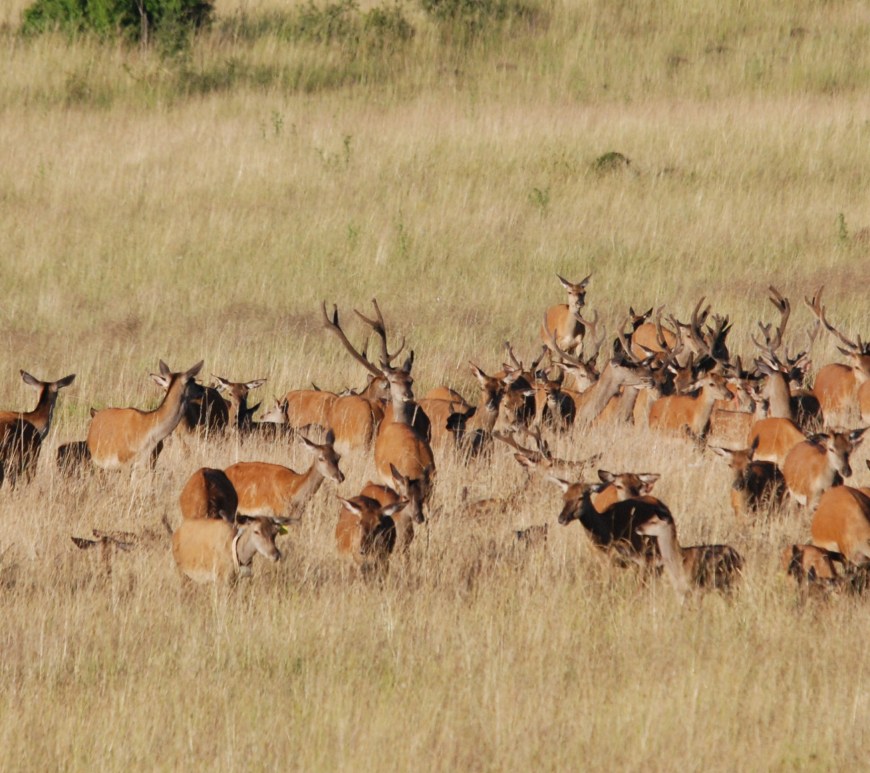
Our latest cover photo, taken by Marcus Meißner shows a red deer stag amidst an area of common broom the Grafenwöhr military training area (GTA), Germany. Besides disturbances caused by military training activities and mechanical land management, grazing by wild red deer contributes to maintaining open habitats on GTA. Friederike Riesch, lead author of the corresponding article, Grazing by wild red deer: Management options for … Continue reading Cover stories: red deer for grassland conservation

Einsatz von Rotwild zur Erhaltung ökologisch wertvollen Grasslands

Kommentare zu einem neuen Artikel von Frederike Riesch et al. Von Jana Eccard und Annabel Smith. An version of this post is available in English here. Ökologisch wertvolles Offenland ist in Mitteleuropa oft durch historisch gewachsene Landnutzungsformen entstanden. Offene und Halboffene Flächen beinhalten zahlreiche seltene, streng geschützte Lebensraumtypen und sind Rückzugsräume für viele gefährdete Arten. Durch den Verlust solcher Landnutzungsformen wird heutzutage ein aktives Management zum … Continue reading Einsatz von Rotwild zur Erhaltung ökologisch wertvollen Grasslands

Editor’s Choice 56:6 -Wild and free: red deer grazing for conservation

Issue 56:6’s Editor’s Choice article demonstrates how a ‘hands-off’ approach and grazing by wild ungulates can be just as effective as livestock when it comes to managing grassland biomass – given the specific contexts are considered. Annabel Smith and Jana Eccard share highlights from the research by Friederike Riesch and colleagues, Grazing by wild red deer: Management options for the conservation of semi‐natural open habitats. … Continue reading Editor’s Choice 56:6 -Wild and free: red deer grazing for conservation

Busy practitioner? Think carefully before choosing which academic conference to attend

With conference season upon us, Errol Douwes (Environmental Planning and Climate Protection, Durban) shares advice on how to make the most of the academic conference circuit from a practitioner’s perspective. What tips do you have? Leave a comment below or Tweet us @JAppliedEcology. I’ve often wondered if and how other practitioners decide on which conferences they will attend. It’s very seldom that I’ve been invited … Continue reading Busy practitioner? Think carefully before choosing which academic conference to attend

Why quantifying riverine ecosystem services matters

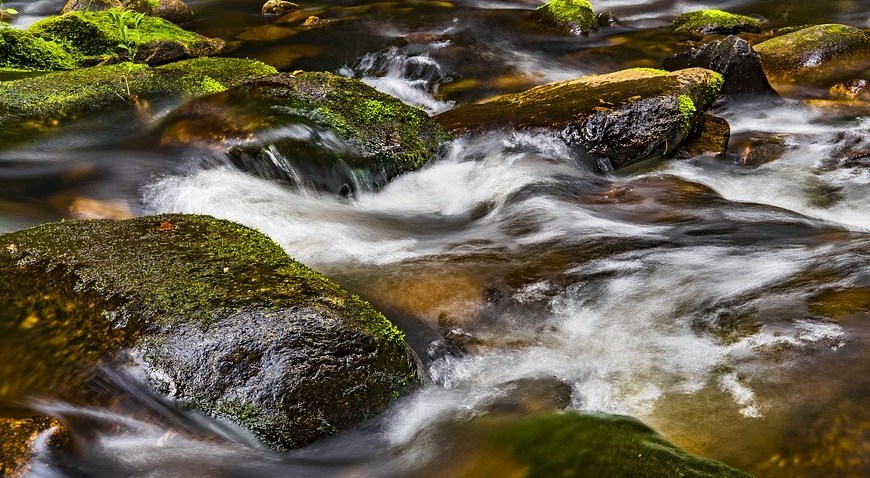
Dalal Hanna, aquatic and landscape ecologist, talks about her article reviewing riverine ecosystem service quantification. This paper was on the 2018 list of highly commended papers for this year’s Southwood Prize early career researcher award. An additional video about Dalal’s research is available here. Read the full article, A review of riverine ecosystem service quantification: research gaps and recommendations in issue 55:3 of Journal of … Continue reading Why quantifying riverine ecosystem services matters

Measuring ecosystem functioning to assess river restoration success

Shortlisted for this year’s Southwood Prize early career researcher award, André Frainer talks us through his work on river restoration and habitat heterogeneity. When rivers are drained, dredged, channelised, or altered in a thousand different ways, they face an almost imminent loss of biodiversity and important ecological functions. This is often a consequence of the loss of habitat diversity and the fauna and flora that … Continue reading Measuring ecosystem functioning to assess river restoration success

Mind the gap: why flower timing matters to farmland pollinators

A new study by Thomas Timberlake et al. reveals seasonal ‘hunger gaps’ in farmland nectar supplies, which could be limiting pollinator populations. But does this offer an opportunity to devise more targeted and cost-effective conservation and agri-environment schemes for pollinators? Nectar and pollen are crucial resources which give bees and other pollinators the energy and protein they need to fly around, reproduce and maintain their … Continue reading Mind the gap: why flower timing matters to farmland pollinators

Redefining bee-friendly plants: pollen quality versus quantity

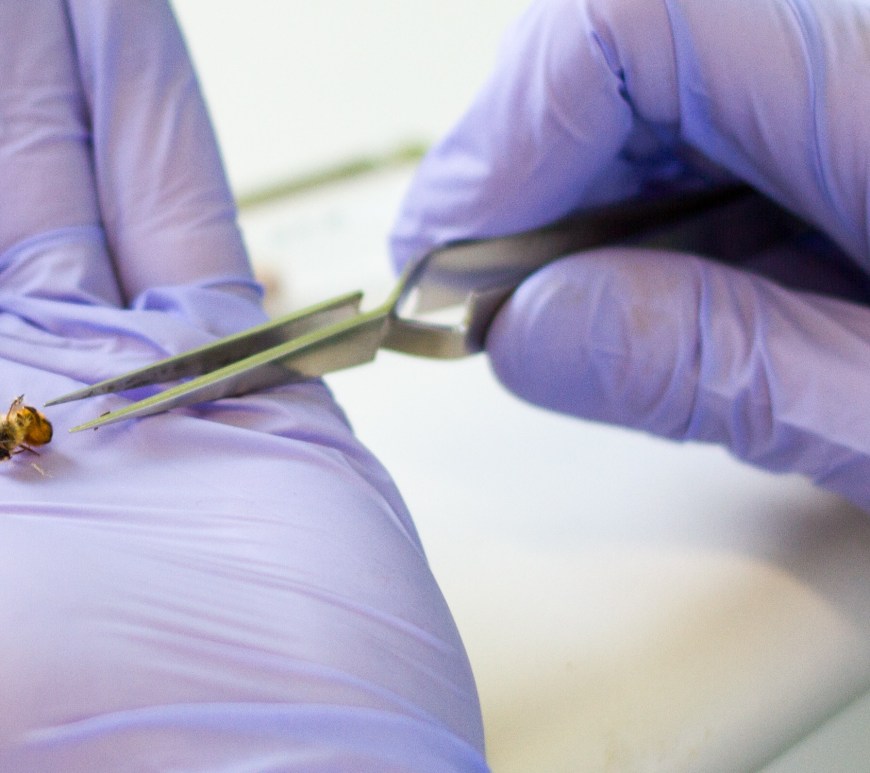
Do bees really benefit from our conservation attempts? Michał Filipiak takes a closer look at the factors that determine whether pollen was a healthy food for wild bee larvae or not.  The outcomes have him asking whether we need major shift in the perspective of what we consider ‘bee-friendly’ plants. Take a look at the ‘menu bee’ infographic available here. What are bee-friendly plants? Children, compared … Continue reading Redefining bee-friendly plants: pollen quality versus quantity

Cover stories: protecting the Sumatran rhino

With approximately 100 individuals left in the wild, the Sumatran rhinoceros (Dicerorhinus sumatrensis) is one of four charismatic megafauna species in Sumatra used as flagship and umbrella species for conservation. Our cover image photographer for issue 56:5, Marsya Sibarani tells us about her interaction with this endangered species. In 2015, I got the chance to visit the Sumatran Rhino Sanctuary (SRS) in Way Kambas National … Continue reading Cover stories: protecting the Sumatran rhino