Can we save a migratory vulture population with captive-raised birds?

A new study by Steffen Oppel and colleagues shows that supporting a declining population of a migratory vulture with captive-reared young birds every year could delay extinction, and thus afford conservationists more time to reduce lethal threats along a migratory flyway spanning three continents. Since biblical times people have entertained the concept that animals could be saved from extinction in a man-made sanctuary. The concept … Continue reading Can we save a migratory vulture population with captive-raised birds?

Bee abundance estimates vary by collection method and flowering richness

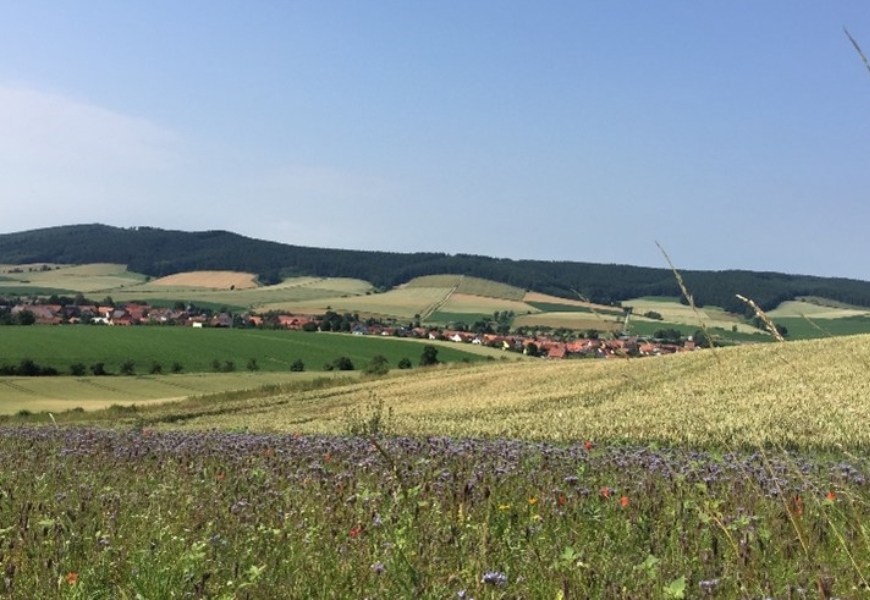
Monitoring bee populations is becoming increasingly important and commonplace, but do current methods produce reliable estimates of bee communities? Authors Marirose Kuhlman and Philip Hahn explore this question in their latest research. Wild bees are the main pollinators in nearly all terrestrial ecosystems and are essential to the reproductive cycles of many native plants, agricultural crops, and to the success of habitat restoration projects. Because … Continue reading Bee abundance estimates vary by collection method and flowering richness

Streetlights disrupt both flying and crawling invertebrates—but not in the same ways

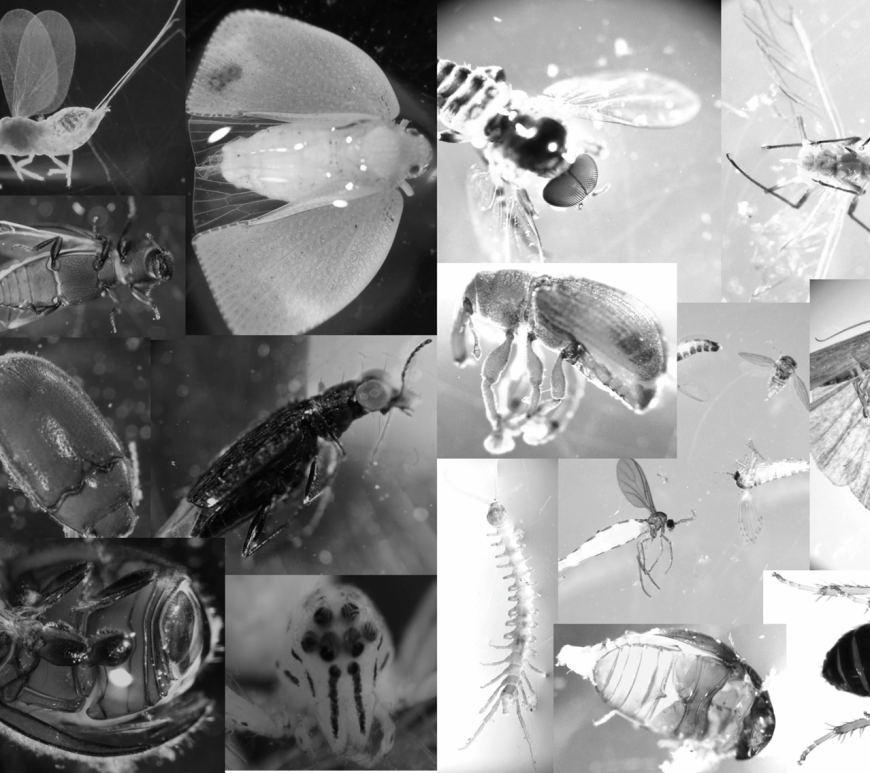
A new study by Lockett and colleagues explores how the proximity, intensity and colour of streetlighting impacts arthropods occupying different spatial niches, by simultaneously sampling flying and ground-dwelling invertebrates. It is well known that artificial light at night (ALAN) can attract and kill insects and other invertebrates, but do creepy-crawlies and flying invertebrates respond the same way? Does the colour and intensity of lighting matter? … Continue reading Streetlights disrupt both flying and crawling invertebrates—but not in the same ways

From another dimension: the rise of 3D data in ecology

Increasingly complex research questions demand increasingly complex data – of which 3D data is one example. The move from 2D to 3D gives us (quite literally) another dimension to work with. PhD candidate Sara Ryding explains how ecological 3D data can reveal previously hidden knowledge. 3D data adds an extra layer to traditional 2D measurements by capturing oddities in curves and depth which may otherwise … Continue reading From another dimension: the rise of 3D data in ecology

Research Stories: The hunt for arctic aliens

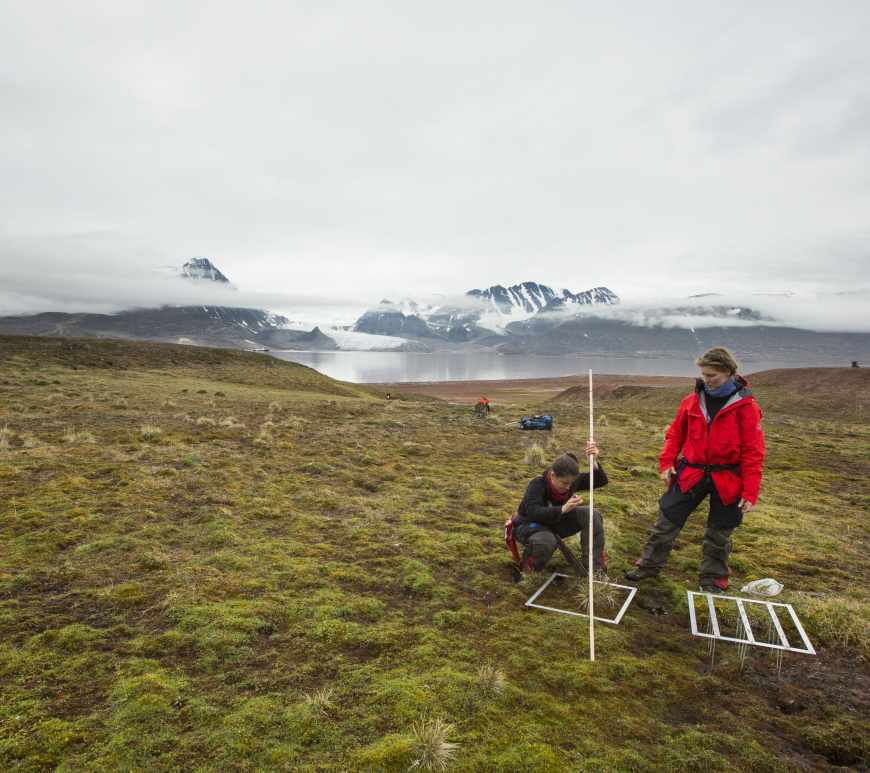
Authors Ronja Wedegärtner and Jesamine Bartlett recall their team’s expedition in the high-Arctic Svalbard to monitor alien flora and publish their latest research which presents the most comprehensive survey of alien vascular species in the archipelago to date. Whilst we do not hunt for extra-terrestrial aliens that may or may not be hidden under the ice (as some on the more unbridled sections of the … Continue reading Research Stories: The hunt for arctic aliens

Drones and Citizen Scientists – the future of ecology

Why are the United Nations advocating for citizen science and technology? Using an Australian case study, let’s see how drones and local communities may be the answer to large scale and ongoing ecological monitoring. In the past, research in inaccessible areas has been limited to either small samples sizes, due to high costs and safety issues, or lower resolution data from satellites. However, drones can … Continue reading Drones and Citizen Scientists – the future of ecology

Ecological Solutions and Evidence Prize 2020: early career researcher winner announced

We’re excited to announce Christina Service as the winner of the inaugural Ecological Solutions and Evidence Prize, celebrating the best Research Article in the journal by an author at the start of their career. Winner: Christina Service Research: “Spatial patterns and rarity of the white‐phased ‘Spirit bear’ allele reveal gaps in habitat protection” About the research While the American black bear (Ursus americanus) is a … Continue reading Ecological Solutions and Evidence Prize 2020: early career researcher winner announced

Simple, low-cost tools can mitigate the negative impacts of climate change on incubating sea turtle clutches.

Successful incubation and production of male sea turtle hatchlings is threatened by increased global temperatures. In their latest research, Clarke and colleagues test the efficacy of two potential nest intervention approaches in reducing nest incubation temperatures in a nesting loggerhead turtle population in the Eastern Atlantic Ocean. Sea Turtles Are Vulnerable to Climate Change The Intergovernmental Panel on Climate Change (IPCC) predicts increases in global mean … Continue reading Simple, low-cost tools can mitigate the negative impacts of climate change on incubating sea turtle clutches.

Fire is a globally important driver of ecosystem composition, structure and function

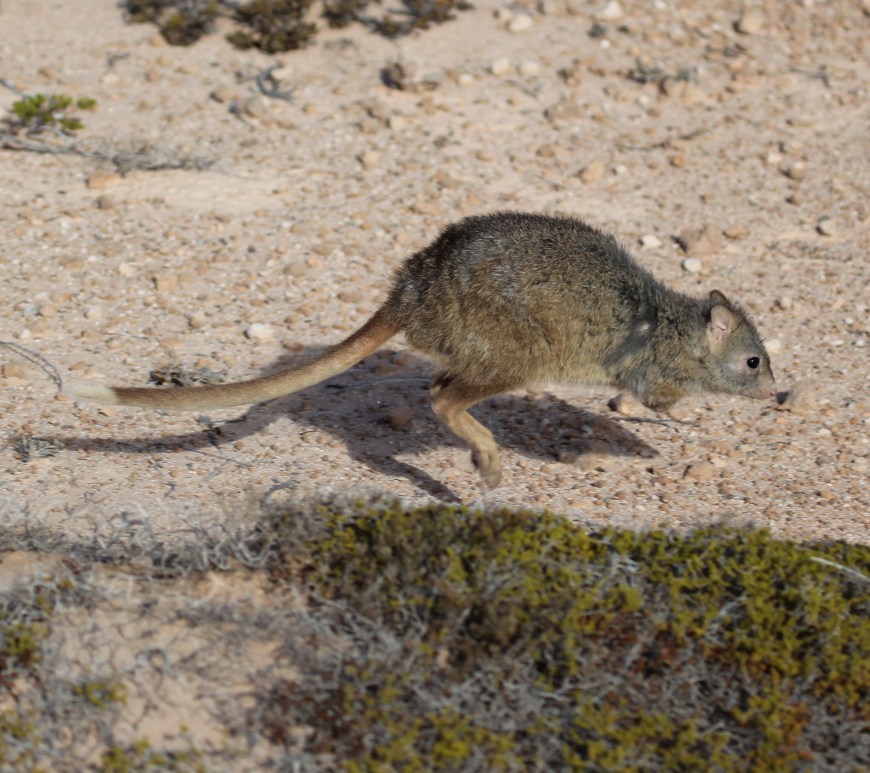
In fire-prone landscapes, appropriate fire management may help bring native mammals back from the brink of extinction. In a new paper, Shaw et al. use prescribed burning to understand how small mammal populations recover after fire, so that recovery mechanisms can be incorporated into management strategies. Fire plays a pivotal role in ecosystems around the world, influencing where species are found, their abundance in the … Continue reading Fire is a globally important driver of ecosystem composition, structure and function

Seeing in the dark: Detecting and protecting cryptic nesting species using UAV thermal cameras

Authors Mike Shewring and Jim Vafidis share a video summary of their latest From Practice article using UAV-mounted thermal imaging to detect cryptic nesting European Nightjars in Wales, UK. Confirming the presence and location of cryptic nesting species is a significant fieldwork challenge in ecological monitoring. Nest sites can be located through direct observation or capture and radio tracking of breeding individuals; however, such work … Continue reading Seeing in the dark: Detecting and protecting cryptic nesting species using UAV thermal cameras