Die Berücksichtigung der Kosten biologischer Invasionen in Risiko-Evaluationen

Ali Serhan Tarkan und Ismael Soto diskutieren ihr kürzlich veröffentlichte Arbeit über neuartige biologische Invasionen und ihre Auswirkungen. Die Studie legt nahe, dass Entscheidungsträger solide Informationen — inklusive hinsichtlich monetärer Kosten — benötigen, um Invasionen effektiv zu managen. Continue reading Die Berücksichtigung der Kosten biologischer Invasionen in Risiko-Evaluationen

Calculando los costes económicos de las invasiones biológicas

Ali Serhan Tarkan e Ismael Soto discuten en su trabajo recientemente publicado, realizado con un equipo interdisciplinario, que trata sobre las nuevas invasiones biológicas y sus impactos. El estudio sugiere que, para gestionar eficazmente las invasiones, los gestores de decisiones necesitan información sólida en la cual basar sus decisiones. Continue reading Calculando los costes económicos de las invasiones biológicas

Dolar ve sent olarak biyolojik istilalar

Ali Serhan Tarkan ve Ismael Soto, biyolojik istilalar ve etkileri hakkında meslektaşlarıyla birlikte yürüttükleri çalışmayı tartışıyorlar. Çalışma, istilaları etkili bir şekilde yönetmek için karar verici mekanizmaların kararlarını kuvvetlendirecek güvenilir bilgilere ihtiyaç olduğunu ortaya koymaktadır. Continue reading Dolar ve sent olarak biyolojik istilalar

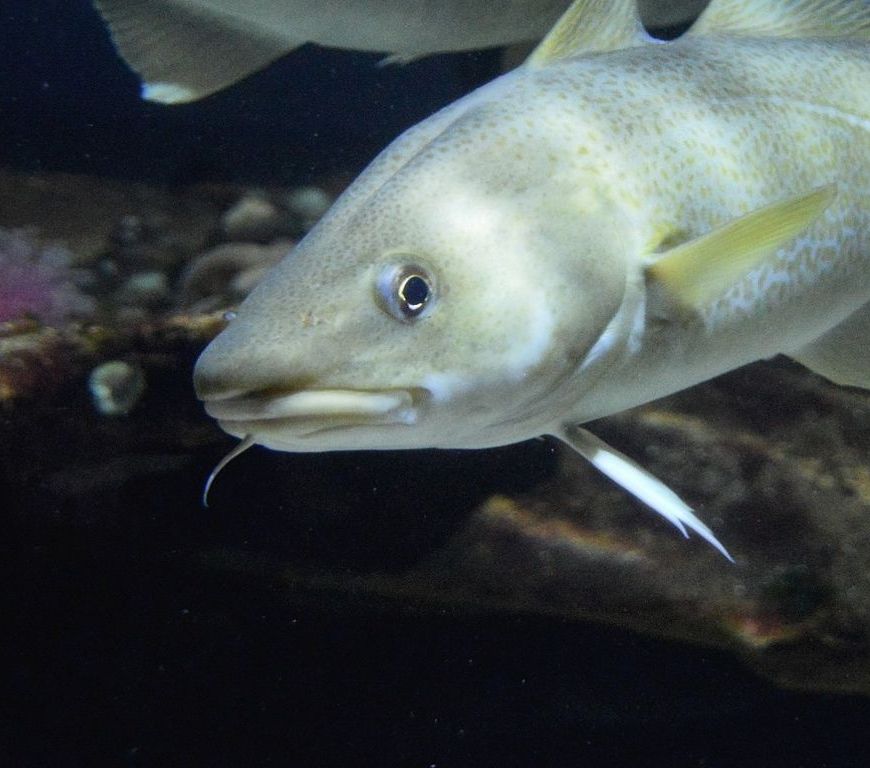
Editor’s Choice 60:10 Can management measures be used to reduce the impact of extreme events in the early life of fish?

Author Lucie Buttay summarises Journal of Applied Ecology’s October’s Editor’s Choice research article. Conducted with colleagues, this study used a life cycle model to simulate ‘what if’ scenarios around Northeast Arctic cod eggs and larvae. Extreme climatic events, (e.g. heat waves and storms) are becoming more frequent and intense, and on top of that, the ever-growing development of human activities at sea, entails an increasing … Continue reading Editor’s Choice 60:10 Can management measures be used to reduce the impact of extreme events in the early life of fish?

Applying remote sensing techniques to wide-scale vegetation inventories

Feature image © InnoTech Alberta Originally posted and adapted from The Alberta Biodiversity Monitoring Institute Blog. Author Sydney Toni describes their latest study that explores a more cost-effective way of using remote sensing to better understand landscapes at larger scale for habitat monitoring and management. Ideally, the information we collect to manage wildlife habitat is many things: high-resolution, consistent and covering all areas of interest. The … Continue reading Applying remote sensing techniques to wide-scale vegetation inventories

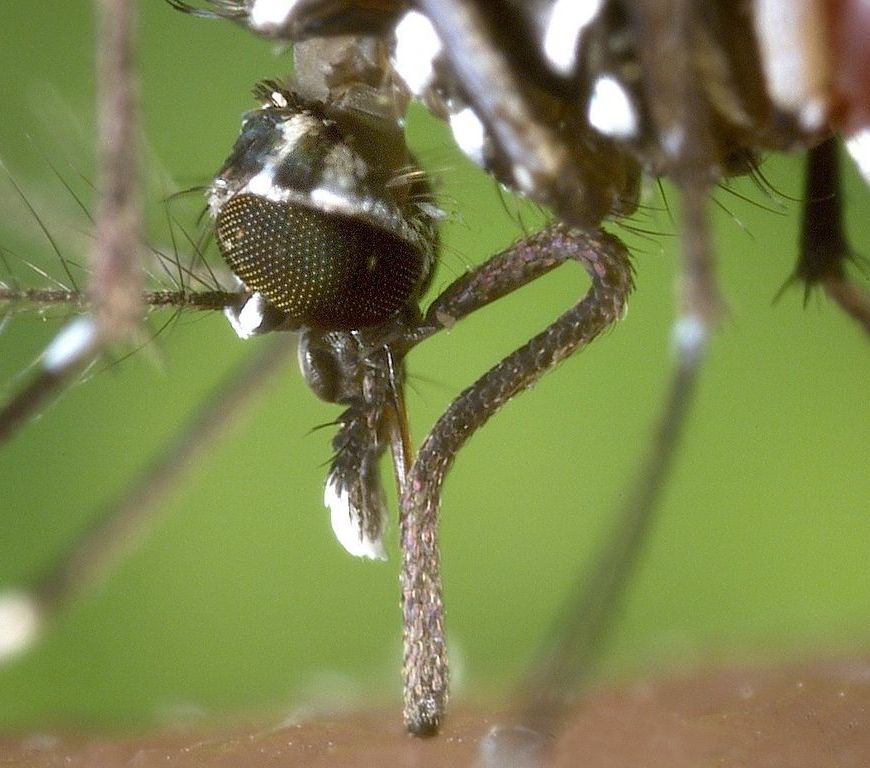
Estimating when the Tiger mosquito will invade a country to prevent the exposure to vector-borne diseases

Sandra Oliveira discusses new research, conducted with colleagues, that saw the development of a model to predict the possible future spread of the invasive Tiger mosquito. The Tiger mosquito (Aedes albopictus) is a highly invasive species that, in the last 40 years, has colonized all continents except Antarctica. Why do we need to worry about it? Because this mosquito can carry several viruses and spread … Continue reading Estimating when the Tiger mosquito will invade a country to prevent the exposure to vector-borne diseases

Our invaded world: India’s quest for ecosystem restoration

Ninad Mungi shares recent work, conducted with colleagues, which involved monitoring India’s levels of invasive plant species. This has knock-on effects for apex predators, such as tigers, who rely on their prey being able to access native species. Introduction In a world grappling with drastic ecological challenges, biological invasions have emerged as a pernicious threat to biodiversity, ecosystem functioning, and global health. While the impacts … Continue reading Our invaded world: India’s quest for ecosystem restoration

Predicting dispersal and conflict risk for wolf recolonisation in Colorado

Mark Ditmer discusses his and colleagues’ new research which aims to predict wolf movement and potential conflict hotspots following the state of Colorado’s decision to reintroduce gray wolves. This data may be used to offer practical, actionable recommendations for decision-makers. Animal movement and conflict risk Species’ ranges are shifting – and accurately predicting the way species disperse in novel areas can greatly enhance conservation efforts. … Continue reading Predicting dispersal and conflict risk for wolf recolonisation in Colorado

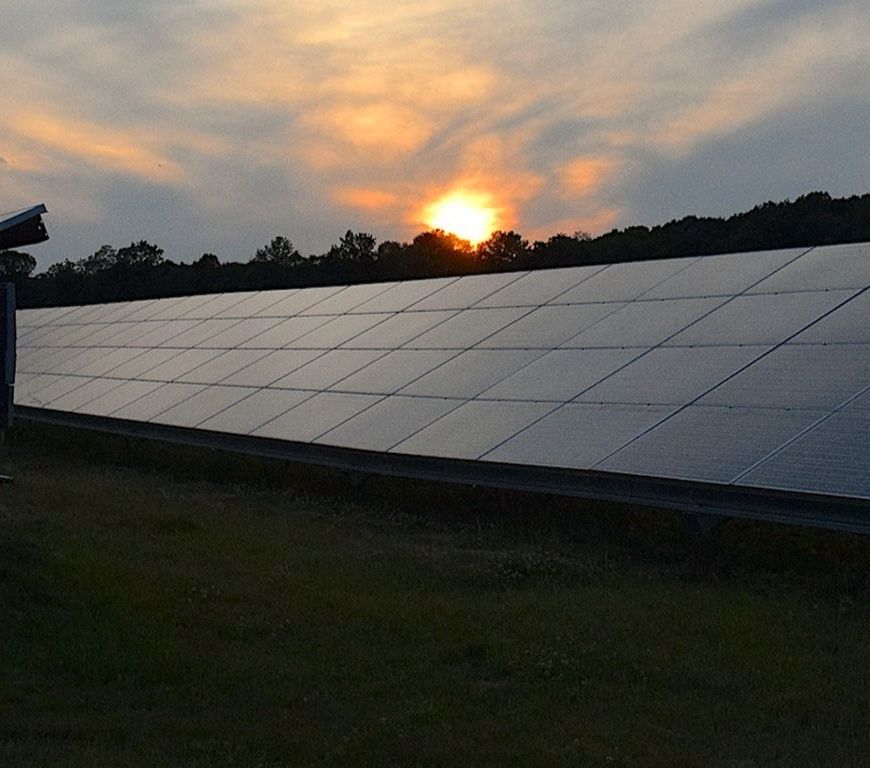
Editor’s Choice 60:9 Bat activity falls by over half at solar farms

Author Elizabeth Tinsley summarises Journal of Applied Ecology’s September Editor’s Choice research article. This latest research, conducted alongside colleagues, aimed to assess the impact of solar panel farms on bat activity. The growing need for renewable energy As our planet continues to warm, the need for renewable energy is becoming increasingly urgent. Renewable technologies are important in meeting energy demands sustainably and are of vital importance … Continue reading Editor’s Choice 60:9 Bat activity falls by over half at solar farms

Fauna sentinela: como o seguimento por GPS de espécies necrófagas fornece informação sobre o cumprimento dos regulamentos de gestão de cadáveres

Patrícia Mateo Tomás fala-nos do novo estudo que visa avaliar como o rastreio remoto da vida selvagem pode contribuir para uma melhor monitorização das leis ambientais. Através do rastreamento experimental de lobos e abutres via GPS, os pesquisadores conseguiram localizar um total de 489 carcaças de gado em Espanha e Portugal. Continue reading Fauna sentinela: como o seguimento por GPS de espécies necrófagas fornece informação sobre o cumprimento dos regulamentos de gestão de cadáveres