Powerful flowers

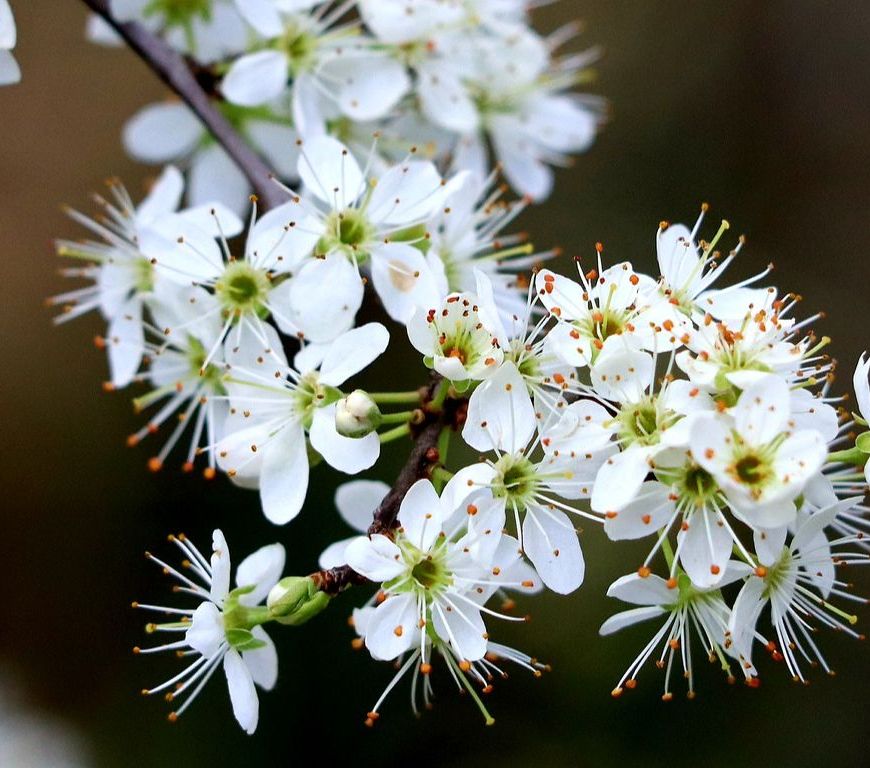
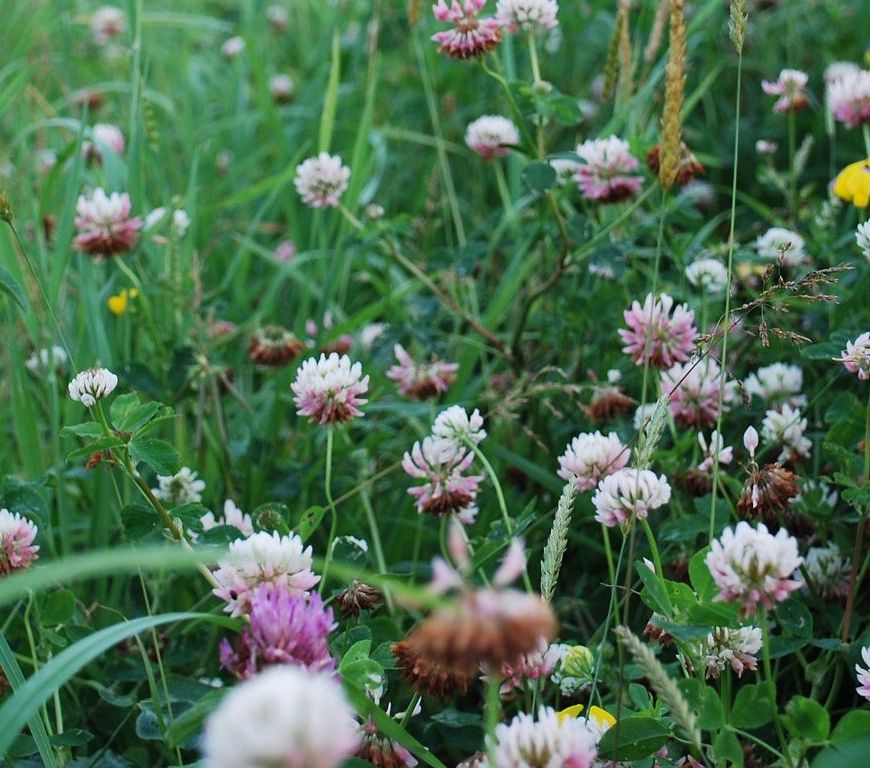
In a recent study, Charlotte Howard and her colleagues report that floral strips can be a practical and effective way to encourage natural pest control in commercial apple orchards. Floral margins can deliver a measurable increase in yield of undamaged fruit. We found that by using flower margins in conventional orchards, farmers were able to significantly reduce damage by a problematic global pest: the rosy … Continue reading Powerful flowers

A decadal study reveals that restoration guided by an umbrella species does not reach target levels

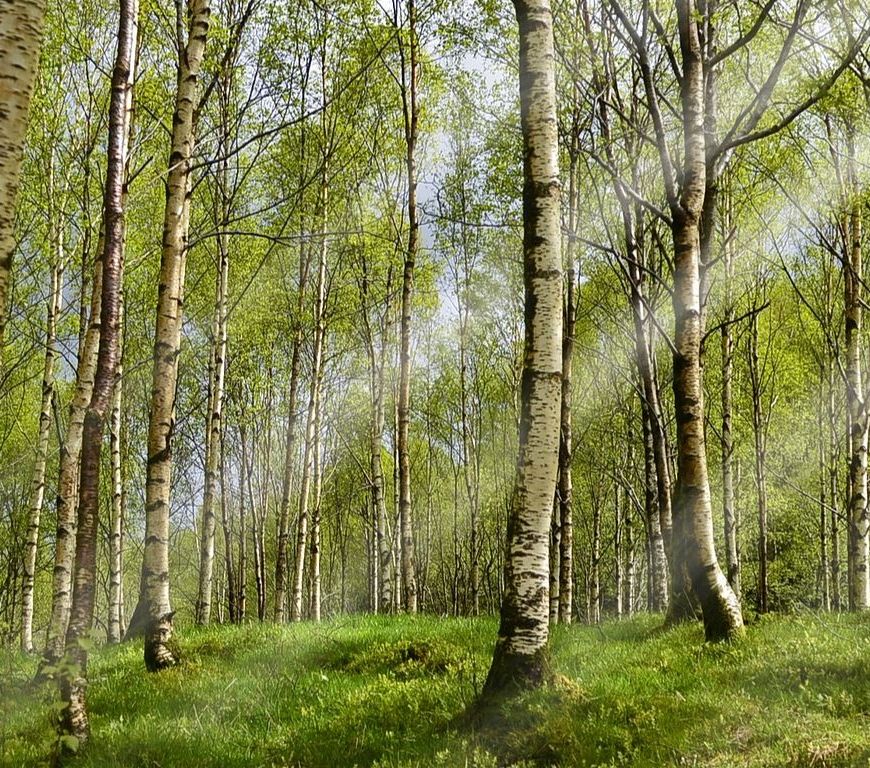
Author Albin Larsson Ekström discusses how their latest research evaluates the decadal effects of restoration aimed at the white-backed woodpecker on the biodiversity of saproxylic beetles. The study suggests that, for restoration to be successful, both continuous and repeated restoration efforts are needed. Restoration guided by the umbrella species concept A long history of intensive forest management has transformed the forests of Sweden into well-managed … Continue reading A decadal study reveals that restoration guided by an umbrella species does not reach target levels

A disposição da plantação de café pode aumentar a produtividade e a sustentabilidade?

Gudryan J. Baronio discute sobre o recente estudo, conduzido em colaboração, que enfatiza o papel fundamental dos polinizadores na produção de café e seu impacto nas características dos frutos e sementes. As conclusões do estudo apoiam a otimização dos cafezais através da preservação da vegetação nativa para aumentar a produção de café e conservar a biodiversidade. Continue reading A disposição da plantação de café pode aumentar a produtividade e a sustentabilidade?

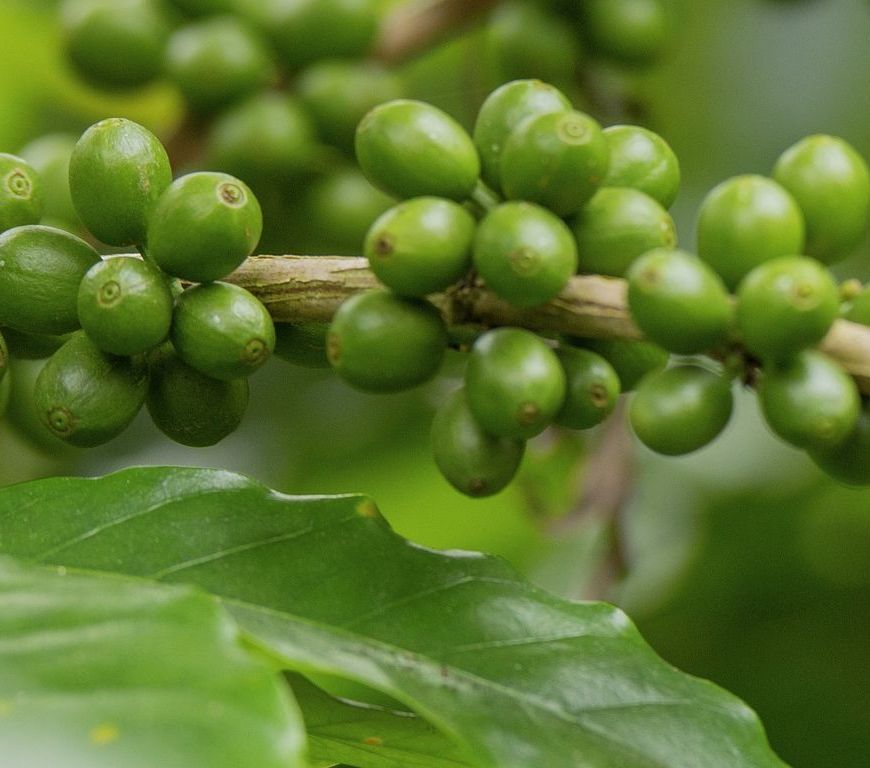
Can coffee plantation design boost both productivity and sustainability?

Gudryan J. Baronio discusses a recent study, conducted alongside colleagues, which emphasises the key role of pollinators in coffee production and their impact on fruit and seed characteristics. Their findings support optimising coffee plantation design by preserving native vegetation to increase coffee yields and conserve biodiversity. Continue reading Can coffee plantation design boost both productivity and sustainability?

Climate challenges in savannas: How herbivore communities chart the course

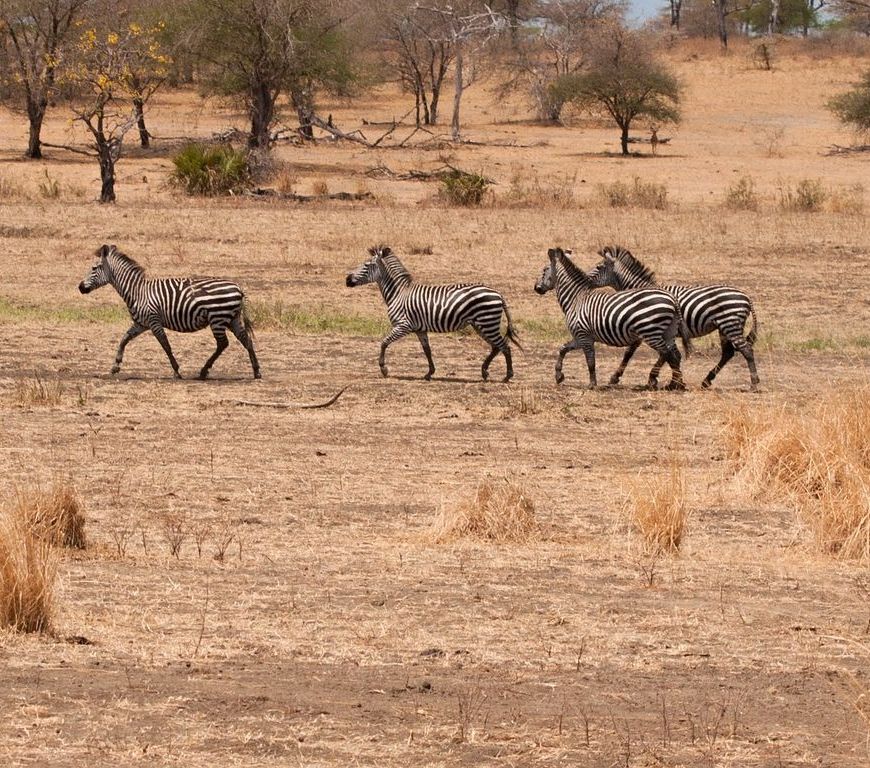
Dr. Katja Irob summarises their latest study, conducted alongside colleagues, which analysed the impacts of climate change and rangeland management on degradation in Savanna ecosystems of southern Africa. Findings suggest that, in the face of climate uncertainty, farmers’ most effective strategy for securing their livelihoods and ecosystem stability is to integrate browsers and apply management of mixed herbivore communities.  Savannas as hot spots of environmental … Continue reading Climate challenges in savannas: How herbivore communities chart the course

Editor’s Choice 60:12 Mangrove ecological restoration vs climate variability

David Alejandro Sánchez-Núñez, J. Alexandra Rodríguez-Rodríguez and José Ernesto Mancera Pineda talk us through Journal of Applied Ecology’s December’s Editor’s Choice research article. This study demonstrates that climate-smart restoration in mangroves should implement the types of hydrological rehabilitation measures that offset or avoid reinforcing ENSO strong phases. History of cover fluctuations in a strategic mangrove ecosystem The Ciénaga Grande de Santa Marta (CGSM), one of … Continue reading Editor’s Choice 60:12 Mangrove ecological restoration vs climate variability

Landscape heterogeneity as a management tool to offset negative effects of habitat loss in agroecosystems

Marcella do Carmo Pônzio and Nielson Pasqualotto summarise their latest research in which they and colleagues investigated the effects of landscape heterogeneity and native vegetation cover on richness and composition of native and invasive mammals, across 55 landscapes in the Brazilian Savanna, Cerrado. A global process and a knowledge gap Intensive agriculture has significantly transformed landscapes by replacing native habitats and diversified small-scale farming into … Continue reading Landscape heterogeneity as a management tool to offset negative effects of habitat loss in agroecosystems

Our invaded world: India’s quest for ecosystem restoration

Ninad Mungi shares recent work, conducted with colleagues, which involved monitoring India’s levels of invasive plant species. This has knock-on effects for apex predators, such as tigers, who rely on their prey being able to access native species. Introduction In a world grappling with drastic ecological challenges, biological invasions have emerged as a pernicious threat to biodiversity, ecosystem functioning, and global health. While the impacts … Continue reading Our invaded world: India’s quest for ecosystem restoration

Rewild or Restore – how about doing both?

James Bullock and Nathalie Pettorelli summarise their Perspective piece that highlight the potential for integrating restoration and rewilding agendas into whole landscape approaches. As biodiversity continues to decline at an alarming pace, it is becoming more urgent to not only halt these losses but to reverse them. This reversal of losses, now commonly termed ‘nature recovery’, generally requires improving the state of terrestrial and aquatic … Continue reading Rewild or Restore – how about doing both?

ECR Journeys: PREDICTS – Using data for Conservation

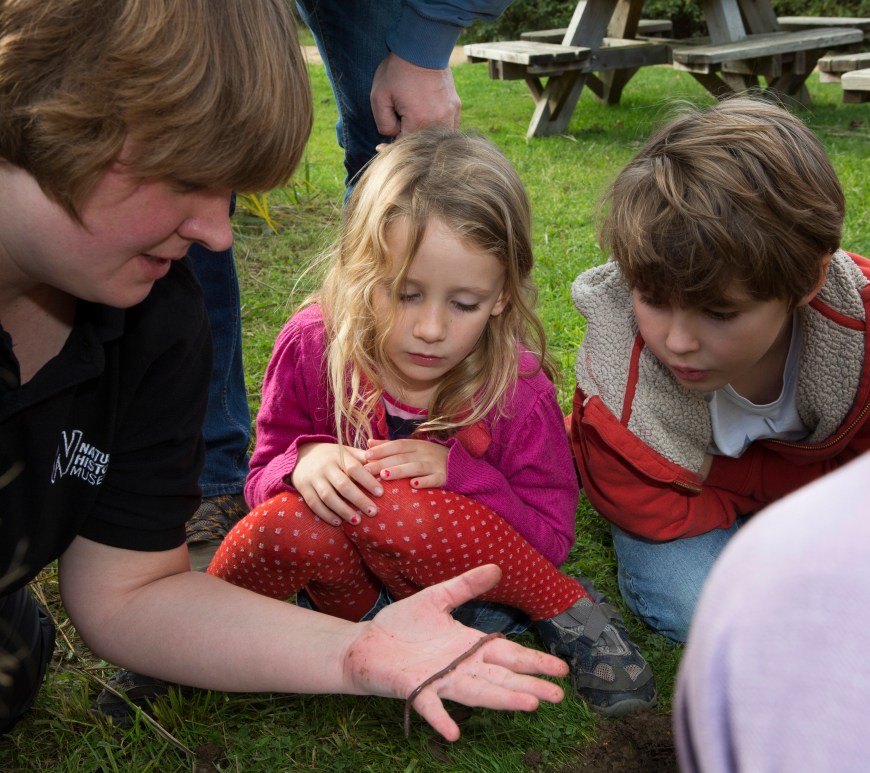
This month, The Applied Ecologist is amplifying the voice of early career ecologists from around the world working in the field of applied ecology to help inspire the next generation. In this post, Victoria Burton at the Natural History Museum, shares her story below. My Background I am a post-doctoral research assistant at the Natural History Museum and a trustee for the Amateur Entomologists’ Society. … Continue reading ECR Journeys: PREDICTS – Using data for Conservation