How can we efficiently create protected areas in inaccessible, yet threatened, areas?

Delphine Ducros discusses the latest research with colleagues which saw how a suite of modelling tools can be used to identify and protect remote, data-poor natural areas in regions that are in need of urgent conservation policy. The challenge of sampling remote areas Human footprint is increasing worldwide, reaching even the most remote places, with potential threats to biodiversity. In isolated places, assessing and anticipating … Continue reading How can we efficiently create protected areas in inaccessible, yet threatened, areas?

Resolving a heated debate: How useful is prescribed burning for lowland heaths?

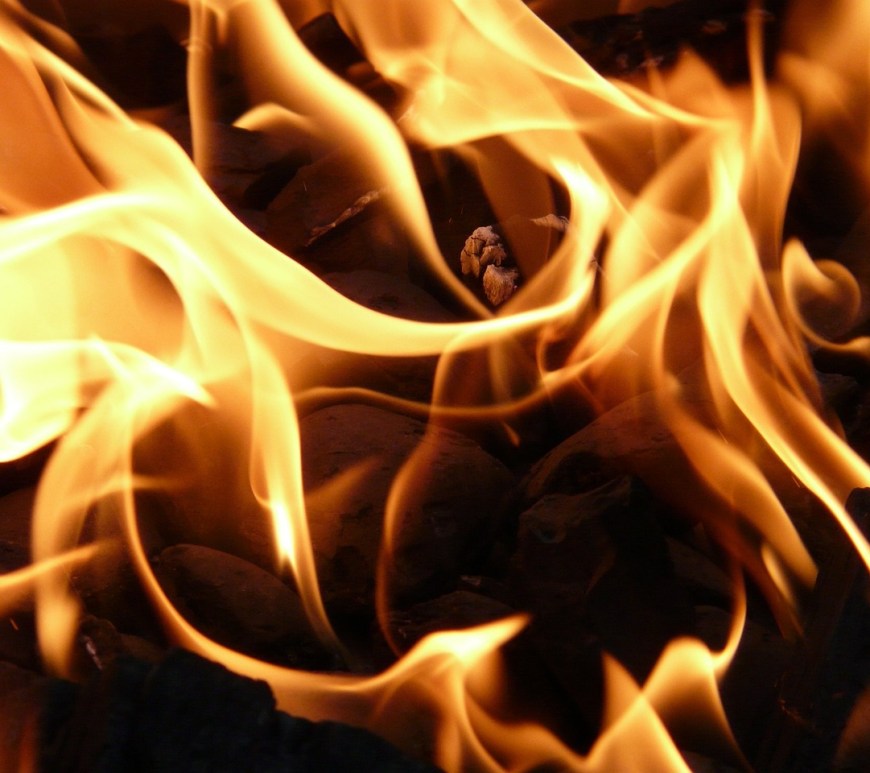
Prescribed burning is a controversial management tool. Here, Barbara Smith discusses new research she and colleagues conducted into the impact of burning on lowland heaths at three trophic levels over a 20 year period. Its findings provide evidence for ecologists, land managers and policy makers to support decision making in protected area management. Background Lowland heathlands, with their unique assemblage of species, were created by … Continue reading Resolving a heated debate: How useful is prescribed burning for lowland heaths?

Elección del editor 60:8 Twitter, cuarentenas con COVID y una revisión sistemática

Los autores Kevin Tkach y Maggie Watson nos cuentan como desarrollaron su investigación cuando los cierres por las cuarentenas debido al COVID-19 les impidió reunirse (en persona) para trabajar en un proyecto de doctorado. En lugar de ello, durante tres años trabajaron juntos en una revisión sistemática para intentar comprender cómo se aplicaban las herramientas genéticas en problemas de conservación complejos. Continue reading Elección del editor 60:8 Twitter, cuarentenas con COVID y una revisión sistemática

Editor’s Choice 60:8 Twitter, Covid-19 lockdowns and a systematic review

This blog post is also available in Spanish here. Authors Kevin Tkach and Maggie Watson recall how they kept their focus when lockdowns in both countries prevented their meeting in-person to work on a PhD project. Instead, over a three-year period, they worked together on a systematic review trying to understand how conservation genetics tools were applied to conservation problems. How the project begun Before … Continue reading Editor’s Choice 60:8 Twitter, Covid-19 lockdowns and a systematic review

Drone-induced flight initiation distances for shorebirds in mixed-species flocks

Joshua Wilson discusses recent research at Moreton Bay, Australia which saw Wilson and colleagues conduct over 200 drone approaches of shorebird flocks to measure how the birds respond to drones. Particular attention is paid to the critically endangered Eastern Curlew. Stress responses Imagine you’re resting in your bed when, out of the corner of your eye, you see something scuttling along the roof towards you. … Continue reading Drone-induced flight initiation distances for shorebirds in mixed-species flocks

Rumslig och tidsmässig isolering av rapsfält minskar förekomsten av skadeinsekter och skador på grödan

Det här blogginlägget finns även på engelska här.
Fabian Boetzl berättar för oss om sin och sina kollegors forskning om landskapsbaserade strategier för att minska trycket från skadeinsekter och skador på grödor. Continue reading Rumslig och tidsmässig isolering av rapsfält minskar förekomsten av skadeinsekter och skador på grödan

Spatiotemporal isolation of oilseed rape fields reduces insect pest pressure and crop damage

This blog post is also available in Swedish here. Fabian Boetzl talks us through his and his colleagues’ new research on landscape-based strategies to reduce insect pest pressure and crop damage. The problem Systemic neonicotinoid insecticides are detrimental to a wide range of beneficial biodiversity, with wild bees as the most prominent example. Due to these observed negative side-effects, systemic neonicotinoid insecticides have been banned … Continue reading Spatiotemporal isolation of oilseed rape fields reduces insect pest pressure and crop damage

Let’s improve disease metrics in wildlife: an example with Darwin’s frogs infected by the deadly chytrid fungus

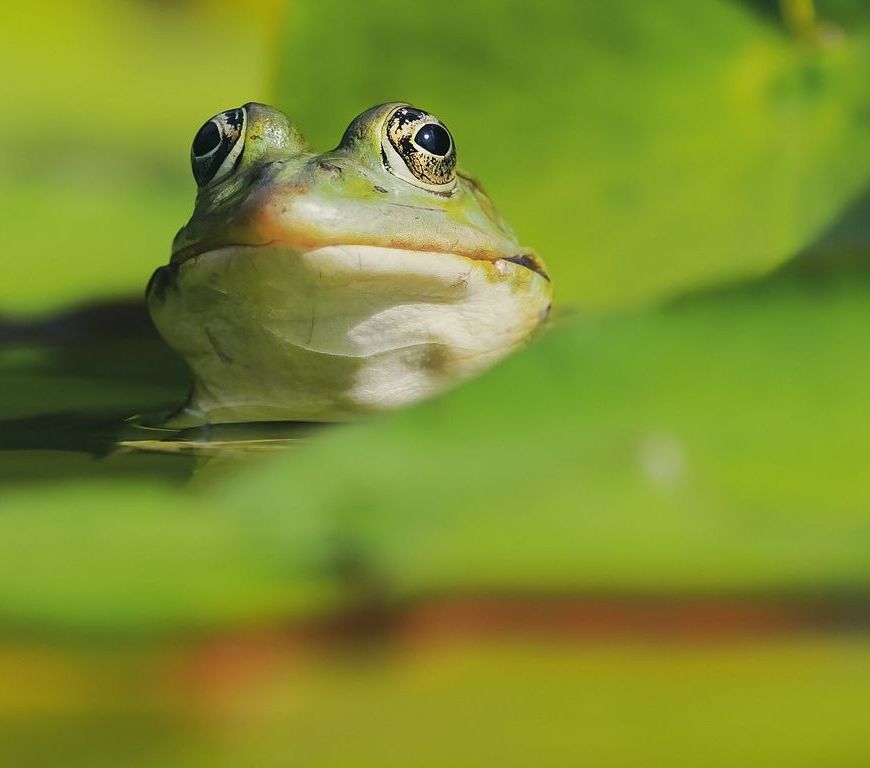
Hugo Sentenac discusses theirs and colleagues’ recent research article which uses data from a fungal pathogen and Darwin’s frogs to assess the magnitude of prevalence bias, as well as illustrate how it can impact disease risk assessment. Infectious diseases: Batrachochytrium dendrobatidis Certain infectious diseases have wrought havoc in nature. One dramatic example is the amphibian chytridiomycosis caused by the chytrid fungus Batrachochytrium dendrobatidis.  It has … Continue reading Let’s improve disease metrics in wildlife: an example with Darwin’s frogs infected by the deadly chytrid fungus

Expansion of hydropower plants drives the risk of extinction of an imperiled and endemic freshwater turtle

André Luis Regolin talks us through the latest research from themselves and colleagues on conserving the rare Williams’ side-necked turtle. The study uses a new methodological approach to evaluate how current and future scenarios of hydroelectric generation affect the species’ distribution. The problem The Williams’ side-necked turtle (Phrynops williamsi) was only described to science in 1983 and since then little attention and research efforts have … Continue reading Expansion of hydropower plants drives the risk of extinction of an imperiled and endemic freshwater turtle

Beste managementpraktijken om opbrengstverlies door ganzen te verminderen

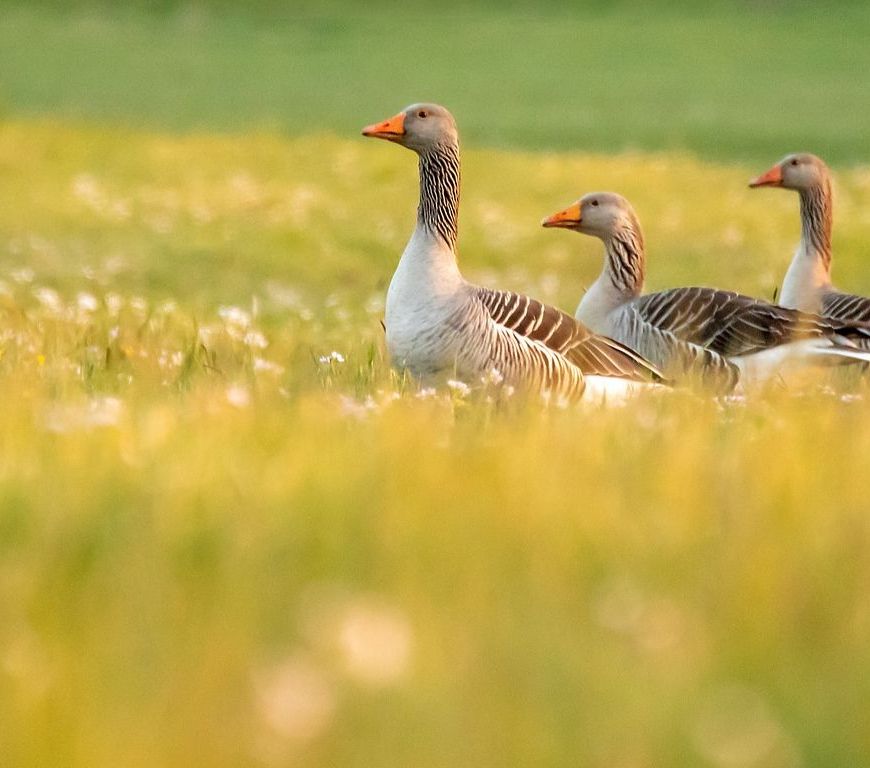
Monique de Jager bespreekt recent onderzoek met collega’s dat probeert te begrijpen wat de meest kosteneffectieve manier is om gewasverlies als gevolg van grazende ganzen te verminderen. Na het uitvoeren van een model met verschillende begrazings- en schrikscenario’s, bleek dat de beste beheeroptie is om ganzen te laten grazen. Continue reading Beste managementpraktijken om opbrengstverlies door ganzen te verminderen