Where should we build wildlife crossings?

With wildlife crossing locations difficult to pinpoint, how do we know where to build crossing structures? Associate Editor, Manuela Gonzalez-Suarez explains how Bastille-Rousseau et al.’s new method and recent article, Optimizing the positioning of wildlife crossing structures using GPS telemetry help answer this question. There are over 40 million km of roads in the world (100 times the distance from the moon to Earth), with many millions … Continue reading Where should we build wildlife crossings?

Fertilising with nutrient residues: a short-sighted solution for semi-natural grassland productivity?

Lauri Laanisto discusses their recent Commentary, Fertilising semi‐natural grasslands may cause long‐term negative effects on both biodiversity and ecosystem stability. Community ecology was once famously described as ‘collecting stamps’ by John Lawton, as every community is so different and unique in so many ways. Therefore, instead of making generalisations, one can only study unique communities the way a collector studies their unique collection – a very … Continue reading Fertilising with nutrient residues: a short-sighted solution for semi-natural grassland productivity?

Spotlight: Addressing global fisheries management challenges in a changing world

From ecosystem productivity to economic benefits, issue 55:3 of Journal of Applied Ecology features a Spotlight on Fisheries management. Associate Editor, Stephanie Januchowski-Hartley brings the articles together and discusses the encouraging ways in which this research from temperate and tropical waters can inform management. Globally, hundreds of millions of people depend on marine and freshwater fisheries that are faced with mounting challenges and diverse issues … Continue reading Spotlight: Addressing global fisheries management challenges in a changing world

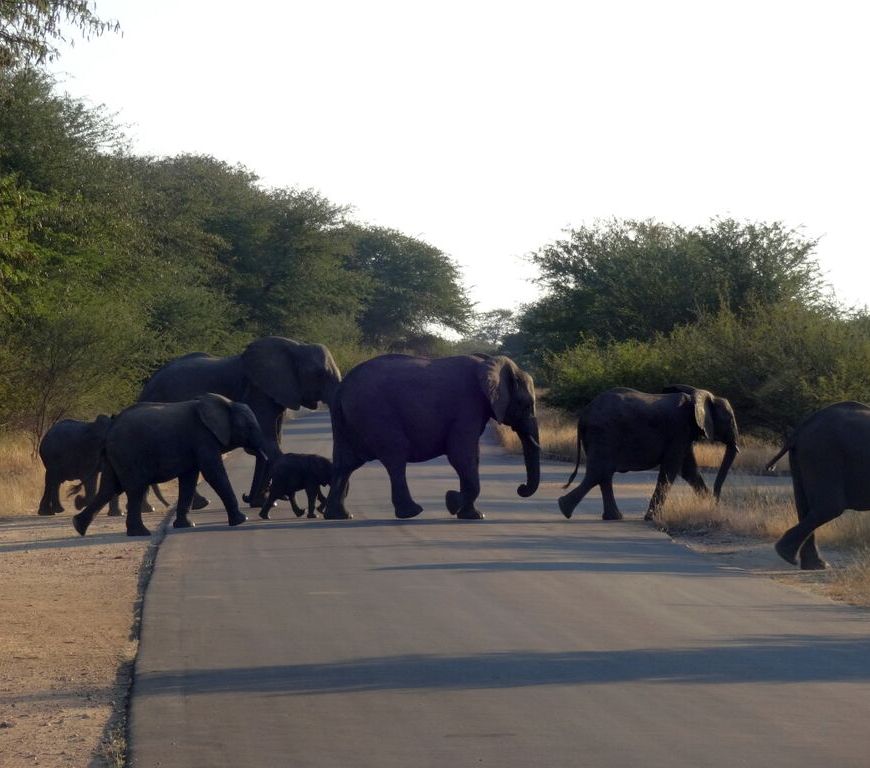
Optimizing the positioning of wildlife crossing structures for African elephants in Northern Kenya

Wildlife crossing structures are considered critical for animal movement, but how  do you choose where best to build them? Guillaume Bastille-Rousseau presents tools for planning crossing structures and the recently published article, Optimizing the positioning of wildlife crossing structures using GPS telemetry. Linear infrastructure development, including transportation and economic corridors, is considered to have outsized ecological impacts relative to their small physical footprints. In sub-Saharan Africa, … Continue reading Optimizing the positioning of wildlife crossing structures for African elephants in Northern Kenya

How could the EU’s LIFE funds enhance conservation in Natura 2000?

Virgilio Hermoso et al. identify prioritisation exercises that could better-distribute conservation funds in the EU in their recent Policy Direction, Spatial prioritisation of EU’s LIFE‐Nature programme to strengthen the conservation impact of Natura 2000. The EU has made significant conservation efforts in the last two decades. Guided by the Birds and Habitats Directives, member States have designated the world´s largest network of protected areas, the Natura … Continue reading How could the EU’s LIFE funds enhance conservation in Natura 2000?

Wind farms affect small birds too

Julia Gómez-Catasús explains the need for a 4.5km threshold between wind farms and small-sized birds, based on the recently published article, Wind farms affect the occurrence, abundance and population trends of small passerine birds: The case of the Dupont’s lark. Wind energy has experienced significant developments in recent decades, with China, United States, Germany, India and Spain being the main wind energy producers in the world. … Continue reading Wind farms affect small birds too

Tributaries may reset the legacy of dams in large rivers

Tributaries, river management and damming. In this post, Associate Editor Tadeu Siqueira comments the recent article by John Sabo and colleagues, Pulsed flows, tributary inputs, and food-web structure in a highly regulated river. The damming of large rivers has been common practice, probably since Thomas Edison built one of the first hydroelectric stations in 1882. Most important rivers in economically developed regions have already been … Continue reading Tributaries may reset the legacy of dams in large rivers

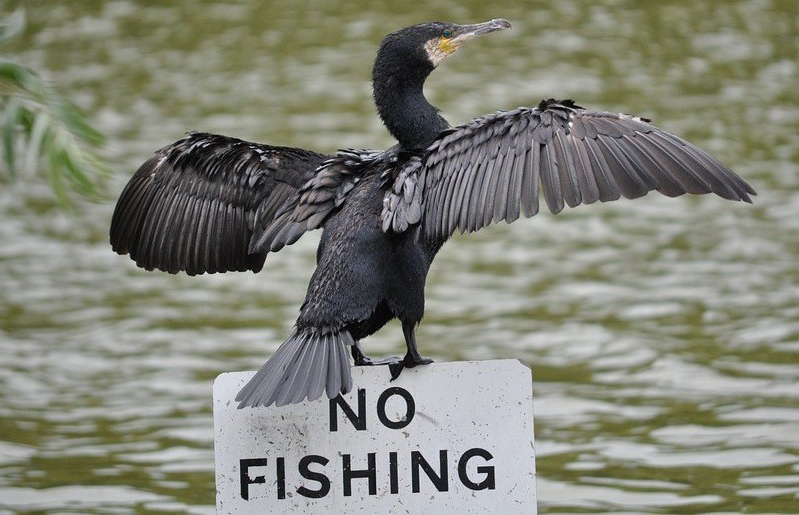
Where do wintering cormorants in Europe come from – and does it matter?

Morten Frederiksen discusses conflicts between wintering cormorants and fisheries, following the recent article, Where do wintering cormorants come from? Long-term changes in the geographical origin of a migratory bird on a continental scale. Cormorants are very efficient predators of fish in shallow waters. They are particularly good at exploiting artificially high densities of fish. Predictably, this has led to widespread conflicts with human fisheries interests. Although fishermen … Continue reading Where do wintering cormorants in Europe come from – and does it matter?

The devil is in the details: managing small populations to combat disease-led decline

Following the recent post by Billie Lazenby, Ellery McNaughton & Associate Editor Margaret Stanley share their thoughts on the article, Density trends and demographic signals uncover the long-term impact of transmissible cancer in Tasmanian devils and the importance of focusing on external threats to Tasmanian devils. New research by Lazenby et al. highlights the important interplay between disease ecology and population dynamics in informing conservation management. Wild … Continue reading The devil is in the details: managing small populations to combat disease-led decline

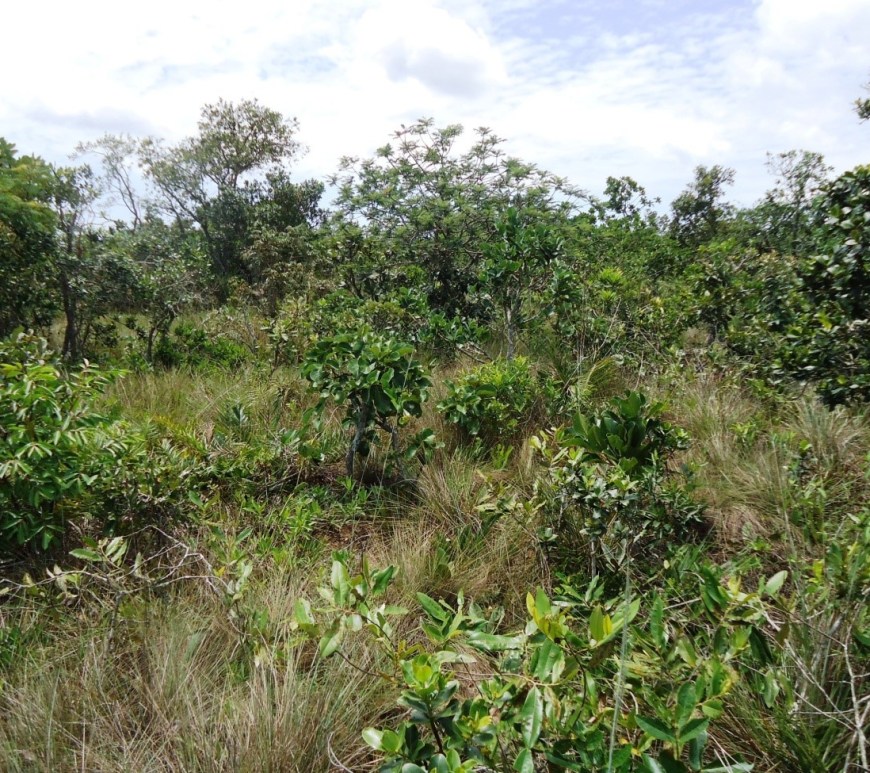
The spontaneous recovery of Neotropical savannas in abandoned pastures – A recuperação espontânea de savanas neotropicais em pastagens abandonadas

Mario Cava comments on the article, Abandoned pastures cannot spontaneously recover the attributes of old-growth savannas, published in Journal of Applied Ecology. The authors have also provided a Portuguese translation of this post. Old-growth savannas are ancient fire-prone systems, with high endemism and species diversity. The richness of these systems is mainly represented by the ground layer. In the Brazilian Cerrado, for example, for each tree … Continue reading The spontaneous recovery of Neotropical savannas in abandoned pastures – A recuperação espontânea de savanas neotropicais em pastagens abandonadas