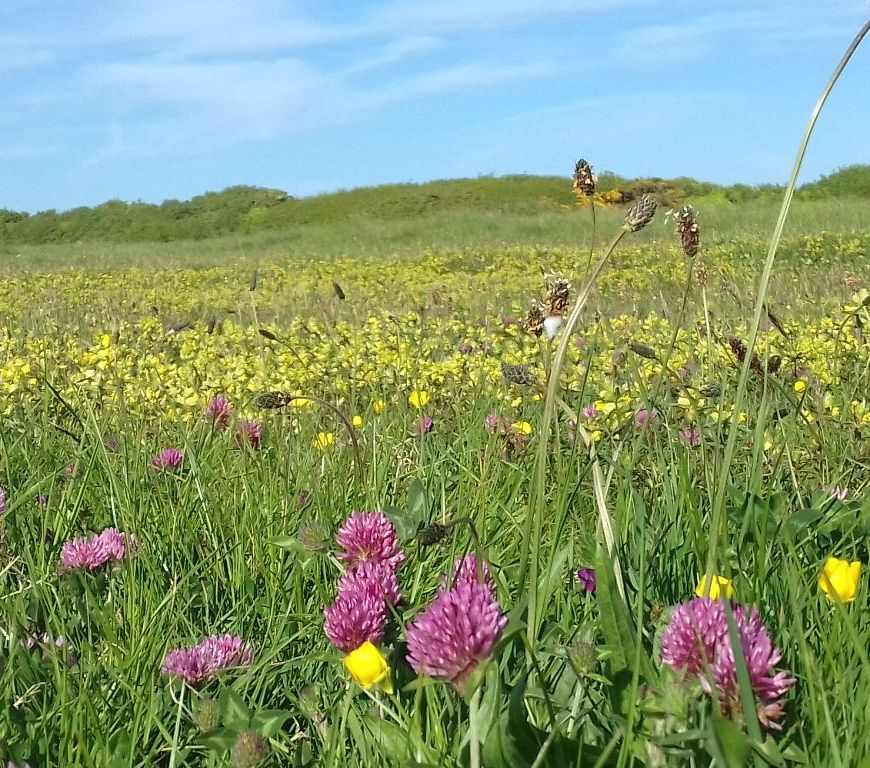
Oliver Wilson: Assessing the exposure of UK habitats to 20th- and 21st-century climate change, and its representation in ecological monitoring schemes

Shortlisted for the 2023 Southwood Prize Oliver Wilson explains how he, along with co-author Oliver Pescott, generated a metric of climate change exposure by quantifying the change in observed historical and predicted future conditions. They then compared patterns of climate change exposure in locations sampled by ecological monitoring schemes to random samples from wider habitats. Climate change and ecological monitoring We’re living in a time … Continue reading Oliver Wilson: Assessing the exposure of UK habitats to 20th- and 21st-century climate change, and its representation in ecological monitoring schemes
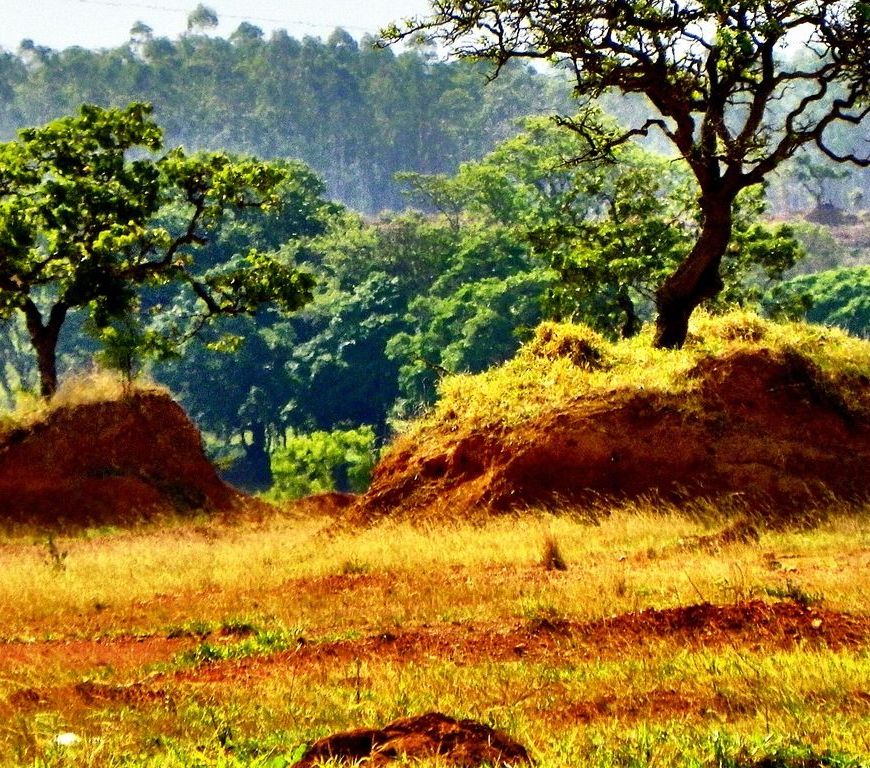
Iván Raniero Hernández-Salmerón: Native palms and trees mediate drought impacts on dry neotropical pastures

Shortlisted for the 2023 Southwood Prize Iván Raniero Hernández-Salmerón talks us through research, conducted alongside colleagues, which shows that fostering a diversity of native palms and trees has positive effects on the functioning of cattle pastures, especially during dry periods. A larger understanding of the facilitative effects of remnant palms and trees on pastures during seasonal droughts may also help to develop more climate-resilient livestock … Continue reading Iván Raniero Hernández-Salmerón: Native palms and trees mediate drought impacts on dry neotropical pastures

Natashi Pilon: Challenges and directions for open ecosystems biodiversity restoration: An overview of the techniques applied for Cerrado

Shortlisted for the 2023 Southwood Prize In this blog post, Natashi Pilon discusses their team’s analysis of 82 data sets from the literature and primary data collection, with the aim of assessing the effectiveness of passive and active restoration techniques applied in Cerrado open ecosystems. Restoration We are in the UN Decade on Ecosystem Restoration, and the consensus is stronger than ever that conservation is … Continue reading Natashi Pilon: Challenges and directions for open ecosystems biodiversity restoration: An overview of the techniques applied for Cerrado

Nicholas McMillan: Unraveling the invasion paradox 

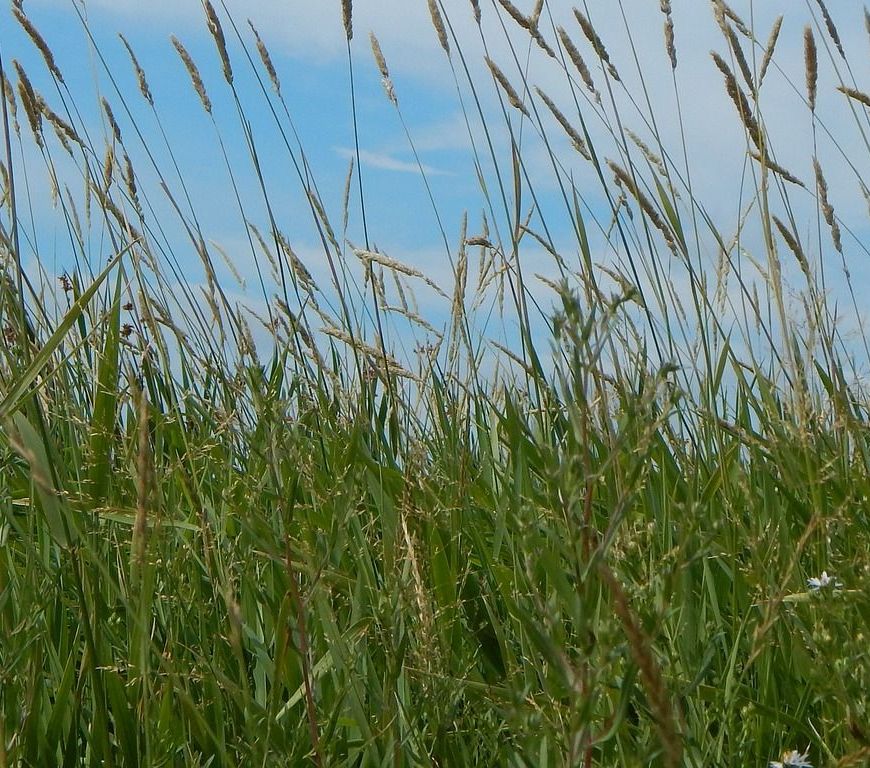
Shortlisted for the 2023 Southwood Prize Nicholas McMillan details how he and colleagues collected data across eight grassland landscapes to test how an invasive legume affected plant and bird communities at spatial grains ranging from 0.1 m2 to >3,000,000 m2. It was concluded that scale is a central problem in ecology, and defining scale in management objectives is essential for effective biodiversity conservation. Invasive plants Invasive plants are managed … Continue reading Nicholas McMillan: Unraveling the invasion paradox 

Conservation of future marshland

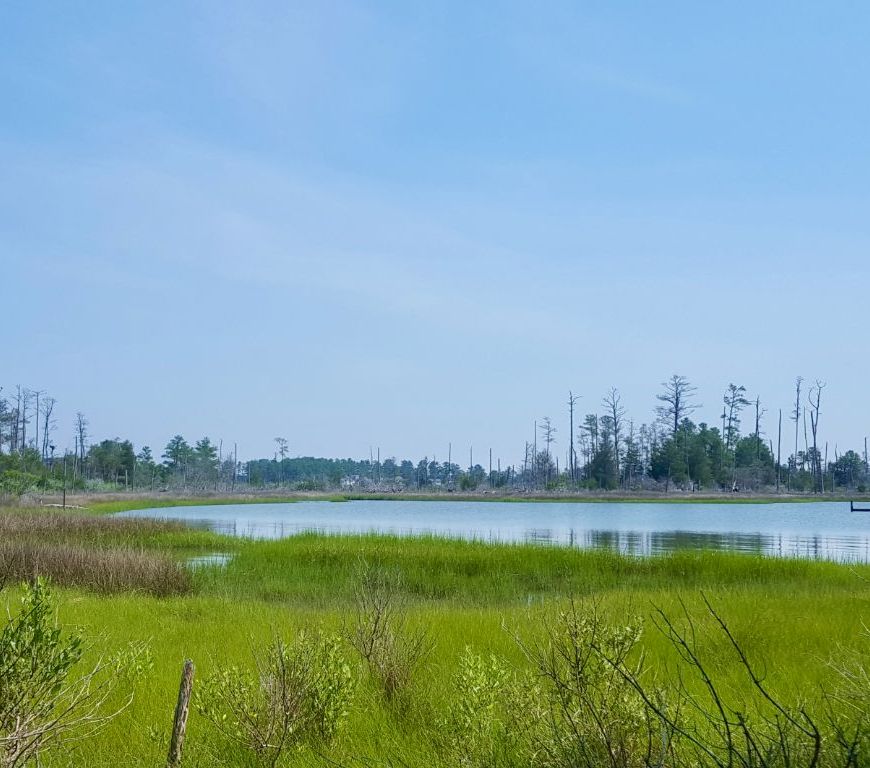
Shortlisted for the Chico Mendes Prize 2023 In this blog post, author Molly Mitchell describe her team’s Practice Insights article which demonstrates the value of using multiple models and data to inform marsh management, conservation and restoration practices. How do you make good decisions about managing resources when those resources are changing? This is the issue with which coastal managers have been struggling as sea … Continue reading Conservation of future marshland

Aimée McIntosh: Modelling harvest of Greenland barnacle geese and its implications in mitigating human–wildlife conflict

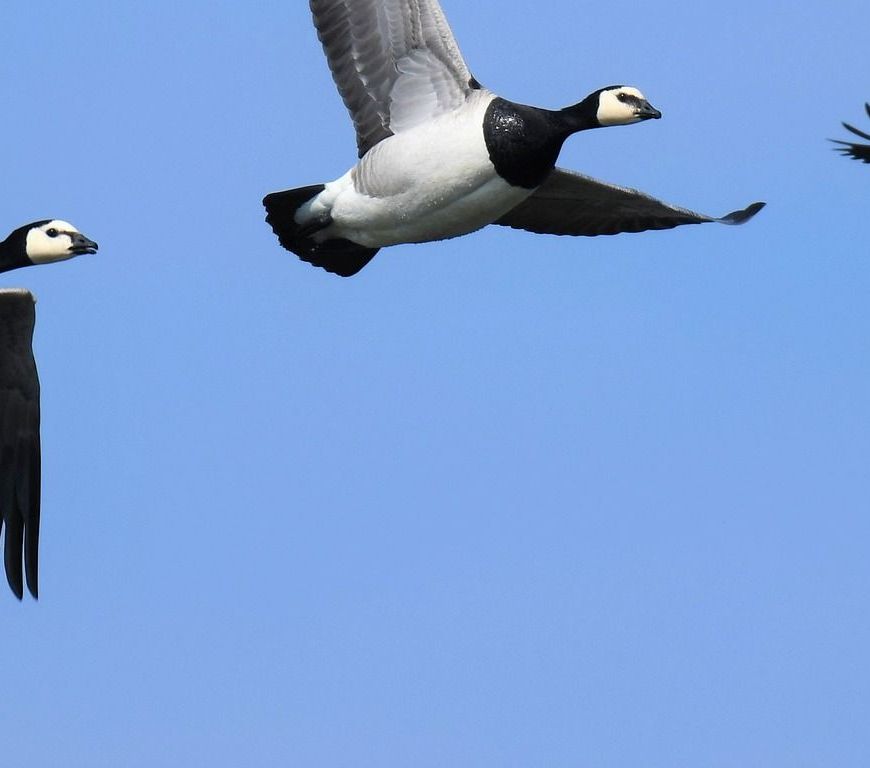
Shortlisted for the 2023 Southwood Prize Aimée McIntosh talks us through how she and colleagues constructed an integrated population model to assess the cumulative impact of all shooting harvest on the Greenland barnacle goose. Findings demonstrate the impact of local harvests on global abundance, emphasising the importance of internationally coordinated monitoring and management strategies of migratory species. From conservation success to conflict Unlike many migratory … Continue reading Aimée McIntosh: Modelling harvest of Greenland barnacle geese and its implications in mitigating human–wildlife conflict

Elizabeth Tinsley: Bats are avoiding solar sites

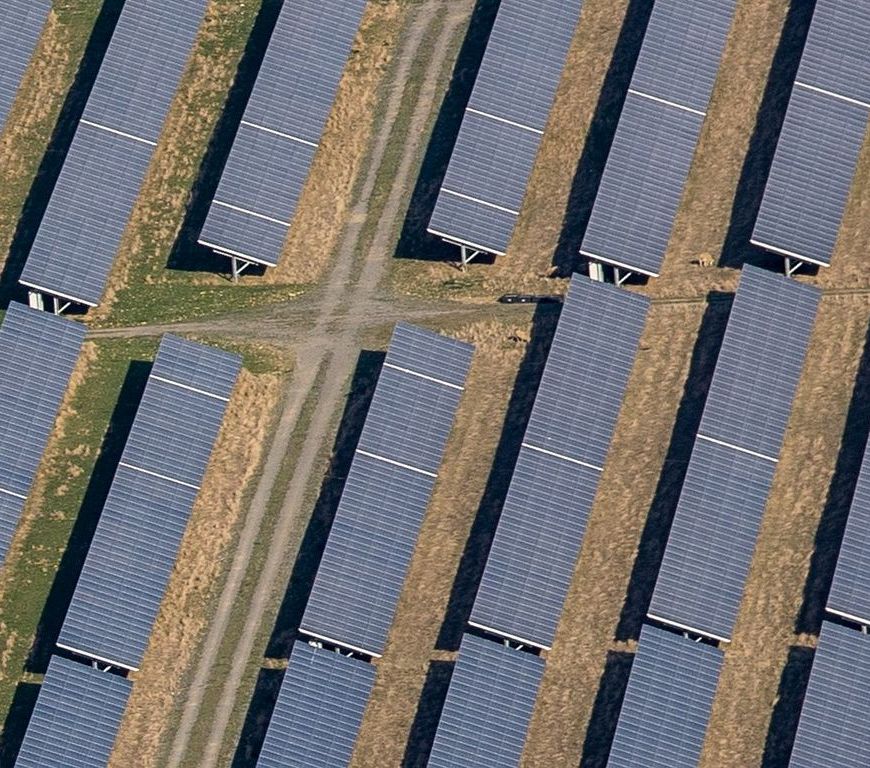
Shortlisted for the 2023 Southwood Prize Elizabeth Tinsley talks us through how she and colleagues conducted a paired study at 19 ground-mounted solar PV developments in southwest England. Through the use of static detectors to record bat echolocation calls and the development of generalised linear mixed-effect models, it was determined that ground-mounted solar photovoltaic developments have a significant negative effect on bat activity. Bats and … Continue reading Elizabeth Tinsley: Bats are avoiding solar sites

Working hard or hardly working? Modelling success of current grassland agri-environment schemes

Shortlisted for the Georgina Mace Prize 2023 In this blog post, author Bede West describe his team’s study analysing the potential for agri-environment schemes to achieve positive changes in plant biodiversity. Plants and soils are the trophic foundations of most temperate terrestrial ecosystems but they are being progressively impacted by climate change, biodiversity loss and a plethora of other environmental impacts. These issues must be … Continue reading Working hard or hardly working? Modelling success of current grassland agri-environment schemes

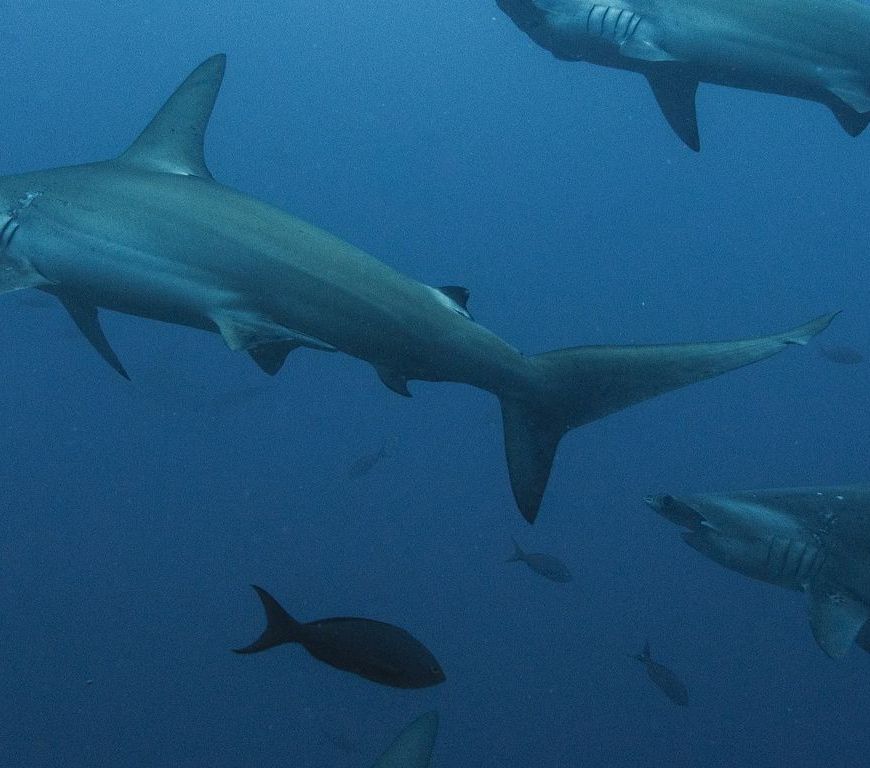
Lucien Besnard: Mercury isotope clocks predict coastal residency and migration timing of hammerhead sharks

Shortlisted for the 2023 Southwood Prize Lucien Besnard reflects on how he and colleagues used mercury isotopes, within the framework of isotopic clocks, to provide a more precise assessment of hammerhead shark movement. As a result, this method may be used as a complementary tool for stock management through predicting the timing of animal migration – a key aspect in the conservation of marine taxa. … Continue reading Lucien Besnard: Mercury isotope clocks predict coastal residency and migration timing of hammerhead sharks

Video: Building partners in high altitudes through participatory action research

Shortlisted for the Chico Mendes Prize 2023 Lead author Munib Khanyari talks us through his team’s journey through the high altitudes of Changthang in trans-Himalayan India to co-design conservation interventions that benefit the communities who live alongside the wildlife. Community-based conservation, despite being more inclusive than fortress conservation, has been criticized for being a top-down implementation of external ideas brought to local communities for conservation’s … Continue reading Video: Building partners in high altitudes through participatory action research