Acelerando la sucesión secundaria: uso de árboles tolerantes a la sombra para la restauración del bosque de niebla

Esta publicación de blog también está disponible en inglés aquí. Tarin Toledo-Aceves y sus colegas describen sus últimas investigaciones y la importancia de los árboles tolerantes a la sombra en los proyectos de restauración forestal Las iniciativas de reforestación y restauración comúnmente utilizan especies de árboles pioneras de rápido crecimiento. Sin embargo, un alto número de especies tolerantes a la sombra se encuentran amenazadas por … Continue reading Acelerando la sucesión secundaria: uso de árboles tolerantes a la sombra para la restauración del bosque de niebla

Accelerating secondary succession: using shade-tolerant trees for cloud forest restoration

This blog post is also available in Spanish here. Tarin Toledo-Aceves and colleagues describe their latest research and the importance of shade tolerant trees in forest restoration projects. Reforestation and restoration initiatives commonly use fast-growing pioneer tree species. However, a high number of shade-tolerant species are threatened by deforestation and overharvesting, and unlike pioneer species, they have no seed banks on the ground and are … Continue reading Accelerating secondary succession: using shade-tolerant trees for cloud forest restoration

The surprising connections between deer and the forest canopy

Ungulates place immense consumptive pressure on forest vegetation globally, leaving legacies of reduced biodiversity and simplified vegetative structure. In their latest research, Samuel Reed and colleagues sought to determine whether browse-induced changes occurring early in succession ultimately manifest themselves in the developed forest canopy. Herbivores are incredibly influential around the world and can re-shape entire ecosystems over time. In North American temperate forests, white-tailed deer … Continue reading The surprising connections between deer and the forest canopy

La expansión forestal en la Cuenca Mediterránea: Políticas necesarias para optimizar la resiliencia del paisaje y la provisión de servicios de los ecosistemas

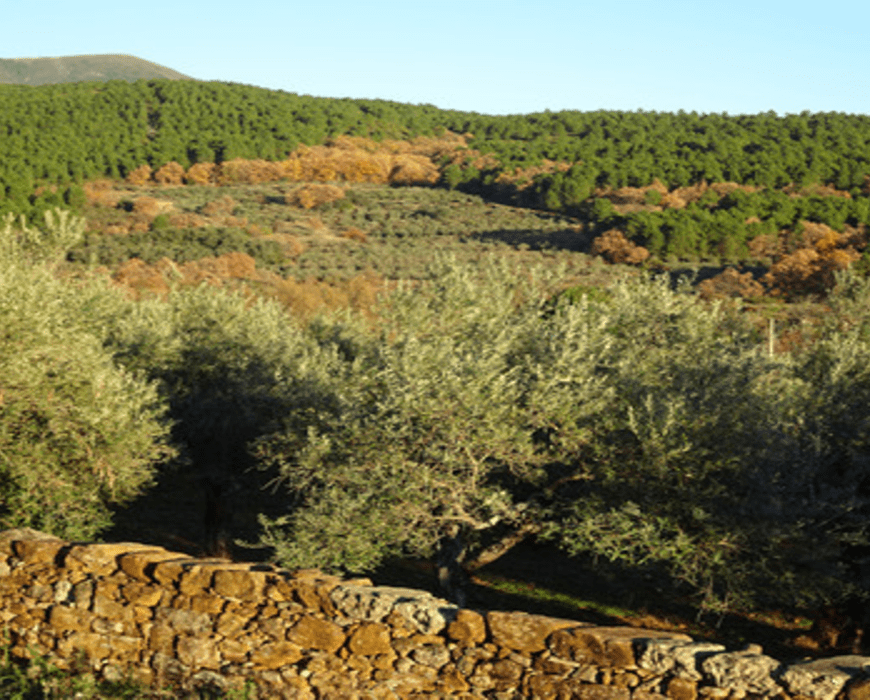
This post is also available in English here Los bosques en la Cuenca Mediterránea poseen altos niveles de biodiversidad y han sido explotados durante milenios, proporcionando servicios de los ecosistemas (SE) esenciales para la sociedad. La multifuncionalidad es una característica de estos socio-ecosistemas en los que los productos y servicios no maderables pueden llegar a ser muy importantes para la sociedad en términos tanto de … Continue reading La expansión forestal en la Cuenca Mediterránea: Políticas necesarias para optimizar la resiliencia del paisaje y la provisión de servicios de los ecosistemas

Spontaneous forest expansion in the Mediterranean basin: Which policy mix maximizes ecosystem service provision and resilience at the landscape level?

In their latest Policy Direction, Varela and colleagues examine ecosystem services and ecosystem disservices of forests in the Mediterranean Basin and the policies influencing forest expansion. This post is also available in Spanish here Forests in the Mediterranean basin have been managed for millennia. They provide key ecosystem services (ES) to society and host within them high levels of biodiversity. Some of them depend on … Continue reading Spontaneous forest expansion in the Mediterranean basin: Which policy mix maximizes ecosystem service provision and resilience at the landscape level?

Welcoming our new ESE Associate Editors – 2020

Following our open call for applicants over the summer, we are pleased to welcome 14 new Associate Editors to the Ecological Solutions and Evidence Editorial Board. We are delighted to further expand the expertise and diversity of our board through the open call, with ecologists joining us from 9 different countries and bringing expertise from both academic research and on-the-ground practice. You can find out … Continue reading Welcoming our new ESE Associate Editors – 2020

On the horizon: Deforestation expansion of plantations and infrastructure threaten Indo-Malay island species

The latest post in our ‘On the horizon’ series sees Nafeesa Esmail and Alice Hughes highlight the potential effects of a developing palm oil industry on Southeast Asisa’s forests.  Southeast Asia’s forests are some of the most diverse on Earth, representing a number of global biodiversity hotspots. Yet this region is also undergoing an unparalleled rate of deforestation. Given the small ranges of many species … Continue reading On the horizon: Deforestation expansion of plantations and infrastructure threaten Indo-Malay island species

Welcome to our new Associate Editors – 2019

Towards the end of last year and the start of this, we welcomed some new faces to our Editorial Board. Get to know our new Associate Editors: Amy J. Dickman Wild Conservation Research Unit, Department of Zoology, University of Oxford Amy has more than 20 years’ experience working on large carnivores in Africa, specialising in human-carnivore conflict. She has an MSc from Oxford University and … Continue reading Welcome to our new Associate Editors – 2019

Editor’s Choice 56:1 – If a tree is felled in the forest, does anybody hear?

Investment in post-logging interventions may be the way to show people have heard, and perhaps more importantly, are acting. Jennifer Firn provides our first Editor’s Choice of Volume 56. The selected article is the Review, Actively restoring resilience in selectively logged tropical forests by Gianluca R. Cerullo and David P. Edwards. I think it’s safe to say you would be hard pressed to find an ecologist … Continue reading Editor’s Choice 56:1 – If a tree is felled in the forest, does anybody hear?

La integración de las políticas de gestión de incendios forestales en la planificación de la conservación puede proporcionar soluciones beneficiosas tanto para la conservación de las aves como la prevención de incendios

En el siguiente articulo, Trade‐offs and synergies between bird conservation and wildfire suppression in the face of global change, Adrián Regos y coautores muestran como la integración de las dinámicas fuego-vegetación, las políticas de incendios forestales y sus objetivos en la planificación de la conservación puede conducir a situaciones beneficiosas tanto en términos de conservación de la avifauna como de prevención de incendios en paisaje … Continue reading La integración de las políticas de gestión de incendios forestales en la planificación de la conservación puede proporcionar soluciones beneficiosas tanto para la conservación de las aves como la prevención de incendios